
Plants
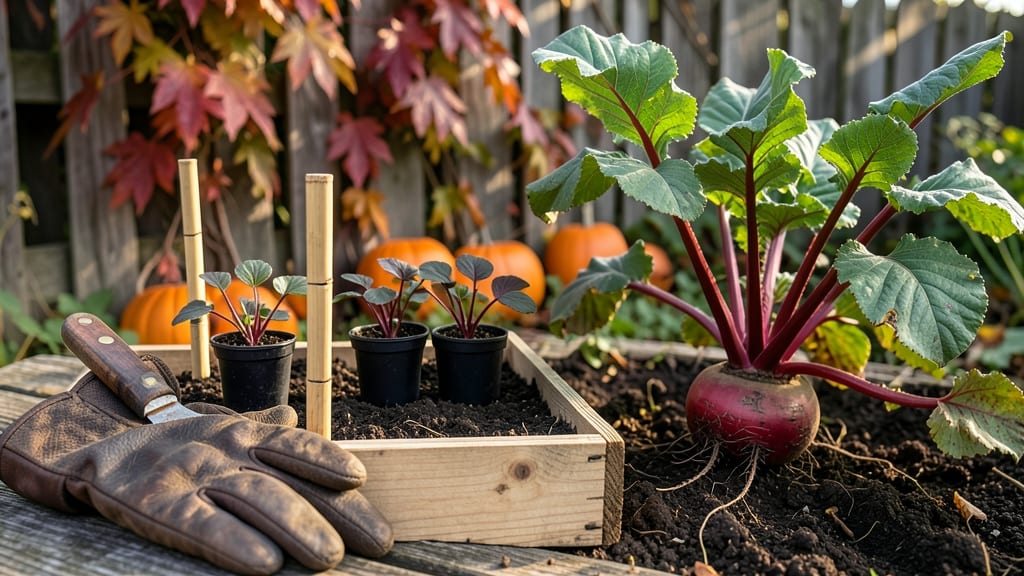
Timing your fall beet 🍠 planting just right means the difference between sweet, tender roots and tough, woody messes. The key? Planting 4-8 weeks before your first frost—any earlier, and they’ll bolt; too late, and they’ll struggle to mature.
For gardeners in Zone 6a, that means getting seeds in the ground by mid-September at the latest.
Why does this matter? Fall beets develop their signature sweetness when grown in cooler weather, but they need enough time to reach harvest size before the ground freezes. If you’ve ever pulled a beet that tasted more like dirt than dinner, you know how critical this window is.
The good news? With a little planning, you can enjoy homegrown beets straight from your garden all the way into November.
I’ll walk you through exactly how to calculate your planting window, whether you’re in a cooler climate like Zone 5 or a milder one like Zone 8. You’ll also learn how to prep your soil, space your seeds, and even squeeze in a second planting for an extended harvest.
Let’s make this your best beet season yet—no guesswork required.
From choosing the right varieties for your region to recognizing when your beets are ready to pull, this guide covers everything you need to know. Ready to grow beets that taste like they came straight from a farmers’ market? Let’s get started.
The 7-Week pre-frost rule: exact timing for fall beet planting
Fall beets thrive when planted 4-8 weeks before your first frost date—this 7-week window ensures tender, sweet roots before winter sets in. The key? Calculating your local frost date and adjusting for your USDA hardiness zone.
In Zone 5, that might mean sowing seeds by mid-August, while Zone 8 gardeners can plant until late October. Always check the National Weather Service or Old Farmer’s Almanac for your area’s average frost dates.
Soil temperature is just as critical as air temperature. Beets germinate best in soil between 45-85°F, but they’ll tolerate cooler fall soils down to 40°F. If your soil is still warm in late summer, wait until temperatures drop to 75°F or below to prevent bolting.
A soil thermometer is your best friend here—plant when roots can mature before frost without turning woody.
Here’s how to apply the 7-week rule: Subtract 7 weeks from your first frost date. For example, if frost hits November 15, aim to plant by September 24.
This gives beets 55-60 days to reach harvest size before cold weather arrives. Pro tip: Use a frost date calculator (like the one from Almanac.com) to pinpoint your exact window.
Regional adjustments matter! In northern climates (Zones 3-4), start seeds indoors 4-6 weeks before transplanting to extend your growing season. In mild-winter zones (7-10), you can push planting into late October or November, but choose cold-hardy varieties like ‘Detroit Dark Red’ to avoid bolting.
Don’t forget about succession planting—sow new seeds every 2-3 weeks until your last planting date. This ensures a continuous harvest and prevents overcrowding. For example, if your last planting date is October 1, sow seeds on September 1, 15, and 25 for staggered maturity.
Fall Beet Planting Timeline by Zone
| USDA Zone | First Frost Date | Last Planting Window | Soil Temp Goal |
|---|---|---|---|
| 3-4 | Late August - Early Sept | Start indoors by July 15 | 45-65°F |
| 5-6 | Mid-October | Direct sow by Sept 1 | 50-75°F |
| 7-8 | Late November | Direct sow by Oct 15 | 55-80°F |
| 9-10 | Early December | Direct sow by Nov 1 | 60-85°F |
*Adjust dates based on your local microclimate and soil conditions.
If you’re unsure about your frost date, use this quick trick: Check when nearby gardens plant kale or spinach in fall—these cool-season crops share similar timing needs. Alternatively, ask your local extension office for hyper-local advice. Remember, beets need 55-60 days to mature, so plan backward from frost.
One common mistake? Planting too close to frost and ending up with woody, tough roots. To avoid this, always harvest before temperatures drop below 20°F. If frost is imminent, cover plants with row fabric or straw mulch to buy a few extra weeks.
For extended harvests, try ‘Winter Keeper’ varieties, which store well in cool, dark conditions.
Pro tip: Mark your planting dates on a garden calendar and set reminders for succession sowings. This ensures you never miss a window. Pair beets with companion plants like lettuce or carrots to maximize space and deter pests.
With the right timing, you’ll enjoy homegrown beets until December—even in cold climates!
The 7-Week pre-frost rule: exact timing for fall beet planting
Fall beets thrive when planted 4-8 weeks before your first frost date—this 7-week window ensures tender, sweet roots before hard freezes. For example, in Zone 5, aim for mid-August to early September plantings, while Zone 8 gardeners can extend until mid-October.
Use your local USDA zone map to pinpoint your exact window.
Soil temperature matters just as much as frost dates. Beets germinate best in 45-85°F soil, so wait until nighttime temps stay above 50°F. In cooler climates, use black plastic mulch to warm the soil faster. Pro tip: Test your soil with a thermometer before planting—cold soil slows germination.
🌱 Fall Beet Planting Timeline by Zone
| Zone | First Frost Date | Planting Window | Soil Temp Goal |
|---|---|---|---|
| 3-4 | Mid-Sept | Late July - Early Aug | 50-65°F |
| 5-6 | Late Oct | Mid-Aug - Early Sept | 55-70°F |
| 7-8 | Mid-Nov | Late Aug - Mid-Oct | 60-80°F |
| 9-10 | Dec 15 | Sept - Early Nov | 65-85°F |
💡 Note: Adjust for early frosts in high-altitude areas (e.g., Denver, CO) by planting 2 weeks earlier.
For precise timing, use the Almanac’s Frost Calculator (link in resources) to input your ZIP code. My Zone 6 garden targets September 1st for peak harvests by October 15th. Late plantings risk woody roots, while early ones may bolt from long daylight hours—balance is key!
Extend your harvest with succession planting: Sow new seeds every 2 weeks until 6 weeks before frost. This staggered approach ensures a steady supply of tender baby beets (harvest at 1-inch diameter) and larger storage roots.
Just mark your calendar: Week 1: Sept 1, Week 3: Sept 15, Week 5: Oct 1.
Protect young seedlings from early frosts with frost cloth or row covers. I’ve saved entire plantings in Zone 5 by covering seedlings when night temps drop below 40°F.
Remove covers during the day to prevent heat stress. For extra insurance, choose cold-hardy varieties like ‘Boltardy’ or ‘Pablo’—they tolerate 25°F without damage.
Remember: Harvest before hard frost (temps below 20°F) to preserve sweetness. Store roots in sandy soil or a cool cellar for up to 3 months. If frost hits early, dig up beets and store them in moist sand—they’ll keep for weeks at 32-40°F. 🌱