
Plants
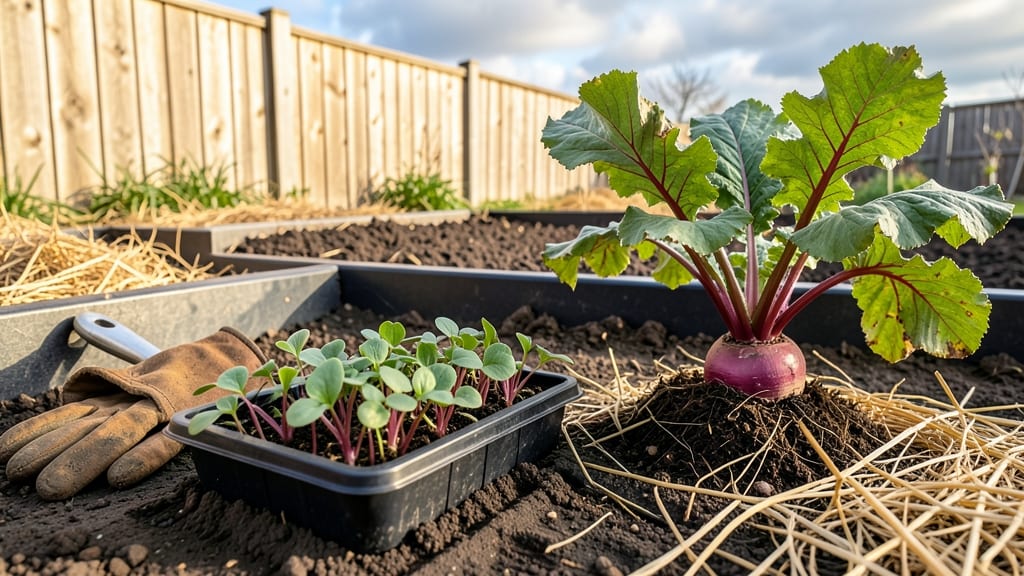
Knowing when to plant beets in Kentucky isn’t just about checking a calendar—it’s about outsmarting your local climate. In zones 6a-7a, where spring temperatures swing wildly and summer heat arrives fast, getting the timing wrong can mean bitter, woody roots instead of sweet, tender 🍠 harvests.
Most gardeners in Kentucky’s Bluegrass Region swear by two planting windows: early spring (March 15–April 30) and late summer (August 15–September 30). But here’s the catch—your elevation matters. Gardens below 1,000 feet face earlier heat stress, while those above 2,000 feet can push spring plantings later without risking bolting.
Why does this matter? Because beets are cool-weather crops that bolt (go to seed) when stressed by heat or drought. In Kentucky’s humid summers, even a 3-day heatwave can trigger bolting if you’re not careful.
The key? Planting at the right time for your microclimate—and knowing when to adjust for Kentucky’s unpredictable frost dates.
In this guide, I’ll break down the exact planting schedule for your elevation zone, plus pro tips to keep your beets thriving from seed to harvest. No more guesswork—just a foolproof plan for zero bolt risk and maximum yield.
Kentucky’s optimal beet planting windows by elevation zones
Kentucky’s diverse elevation zones create wildly different growing conditions for beets. Lowland areas like Paducah (below 1,000 ft) experience earlier springs and hotter summers, while Appalachian foothills (above 2,000 ft) stay cooler longer. Getting your timing right means avoiding bolting—when beets flower prematurely and turn woody.
Beets thrive in cool temperatures (50-75°F), making early spring and late summer the sweet spots. In Kentucky, last frost dates vary by 3-4 weeks between lowlands and highlands.
For example, Lexington (midland) typically sees its last frost around April 15, while Mountain City (highland) may not warm up until May 1.
Here’s how to align your planting with Kentucky’s three elevation zones to maximize yield and flavor:
| Elevation Zone | Last Frost Date | Spring Planting Window | Fall Planting Window | Heat Tolerance Threshold |
|---|---|---|---|---|
| Lowland (<1,000 ft) | March 20 - April 5 | March 1 - April 15 | August 1 - September 15 | 78°F (bolting risk) |
| Midland (1,000-2,000 ft) | April 1 - April 15 | March 15 - April 30 | August 15 - September 30 | 80°F (bolting risk) |
| Highland (>2,000 ft) | April 15 - May 1 | April 1 - May 15 | September 1 - October 10 | 82°F (bolting risk) |
For lowland gardeners, start seeds indoors by February 20 to transplant after your last frost. In midland zones, direct-sow seeds outdoors as soon as soil reaches 50°F (around March 15). Highland gardeners can wait until April 1 to avoid frost damage.
In late summer, fall planting is your second chance for harvest. Lowland areas should start by August 1, while highlands can extend until September 15. Use shade cloth in August to protect seedlings from intense afternoon sun, especially in urban heat islands like Louisville.
Pro tip: Succession plant every 2 weeks in spring and fall to ensure a steady supply. For example, sow a new batch every 14 days from March 15 to April 30 in midland zones. This staggering technique works wonders in Kentucky’s variable weather.
Watch for soil temperature—beets won’t germinate well below 45°F. Use a soil thermometer to confirm readiness. If temperatures fluctuate, consider row covers to maintain consistent warmth.
Remember, Kentucky’s humidity can lead to fungal issues. Space plants 3-4 inches apart for airflow and avoid overhead watering. Mulch with straw to retain moisture and keep roots cool during summer’s peak heat.
By tailoring your planting to elevation, you’ll avoid bolting and enjoy sweet, tender beets all season long. Happy planting!
Kentucky’s optimal beet planting windows by elevation zones
Kentucky’s diverse elevations—from the Bluegrass lowlands to the Appalachian highlands—create wildly different growing conditions for beets. Planting at the wrong time can trigger bolting (premature flowering), turning sweet roots into bitter, fibrous messes. Let’s break down the perfect planting windows for your elevation zone to maximize harvests.
In lowland Kentucky (below 1,000 ft), like Louisville and western regions, warmer microclimates demand earlier spring plantings. Meanwhile, highland areas (above 2,000 ft), such as parts of eastern Kentucky, can extend your fall harvest window.
Ignoring these differences means risking heat stress or frost damage—both deadly for beets.
📅 Key dates to remember:
- Last frost in Kentucky: April 15 (varies ±10 days by elevation)
- First frost risk: October 20 (earlier in highlands)
- Heat tolerance threshold: Beets bolt when soil temps hit 80°F+ for 3+ days
| Elevation Zone | Spring Planting Window | Fall Planting Window | Last Harvest Before Frost | Heat Risk Level |
|---|---|---|---|---|
| Lowland (<1,000 ft) | March 15 – April 15 | August 1 – September 15 | October 10–15 | ⚠️ High (bolting risk after April 20) |
| Midland (1,000–2,000 ft) | March 20 – April 30 | August 10 – September 30 | October 15–20 | ⚠️ Moderate (bolting risk after May 10) |
| Highland (>2,000 ft) | April 1 – May 10 | August 20 – October 10 | October 25–November 5 | ✅ Low (cooler temps delay bolting) |
For lowland gardeners, aim to harvest your spring crop by mid-June before temperatures climb. In midland zones, you’ve got a slightly longer window—think late June to early July for spring beets.
Meanwhile, highland growers can push harvests into early November if you plant late summer varieties like ‘Detroit Dark Red’ or ‘Golden’.
Pro tip: Use succession planting every 2 weeks in spring and fall to stagger harvests. For example, sow a new batch on April 1, April 15, and May 1 in lowlands to ensure a continuous supply.
This works especially well for baby beet varieties like ‘Baby Kita’, which mature in just 40 days.
If you’re in USDA Zone 6a (eastern KY), don’t wait until April—start seeds indoors 4–6 weeks before your last frost (around March 1) for a jump-start.
For Zone 7a (western KY), you can plant directly in the ground as early as mid-February under row covers to protect tender seedlings.
Remember: Soil temperature matters more than air temperature. Use a soil thermometer to confirm temps are above 50°F before planting—cold soil delays germination. In Kentucky’s clay-heavy soils, add compost or sand to improve drainage and prevent waterlogged roots, which stress plants and trigger bolting.