
Plants
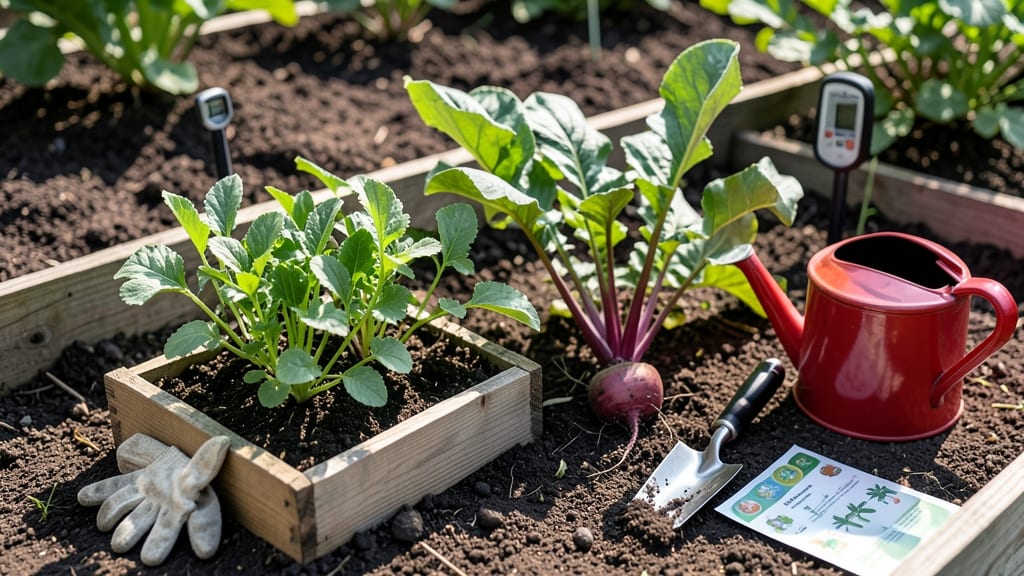
Planting beets in Kansas at the wrong time means waiting weeks for germination—or worse, bitter, tough roots that ruin your harvest. The secret to fast, sweet 🍠 harvests lies in understanding your region’s frost dates and soil temperatures, which can vary dramatically between 5b and 7a zones.
Most Kansas gardeners get it wrong by planting too early, when cold soil slows germination to a crawl. But timing isn’t just about avoiding frost—it’s about catching those 40°F+ soil windows when seeds finally sprout in 5-7 days instead of 2-3 weeks.
I’ll show you exactly when to plant for two harvests: once in spring and again in fall.
Spring planting starts as early as March 15, but if you’re in western Kansas, wait until April 15 to avoid late frosts. For fall, aim for August 15-September 15—this ensures roots mature before the first frost hits in October.
The key? Adjusting for your exact zone and soil conditions.
Ready to skip the guesswork? I’ll walk you through the best beet varieties for Kansas, how to prep soil for fast germination, and even how to stretch your season with simple tricks. Let’s get those 🍠 growing!
Kansas frost dates and beet planting windows for optimal germination
Kansas gardeners know timing is everything when planting beets. The last spring frost typically arrives between March 15 and April 15, depending on your region, while the first fall frost usually hits October 15 to November 15.
Beets need soil temperatures above 40°F to germinate properly, so aim for planting when the ground warms consistently.
In USDA zones 5b-7a, Kansas offers two prime planting windows: early spring (March 15-April 30) and late summer (August 15-September 15). These windows ensure your beets mature before extreme heat or frost sets in.
For example, planting in late March gives you harvests by June-July, while August plantings yield in October-November.
Here’s how Kansas’ three main regions differ in frost timing and ideal planting windows:
| Region | Last Frost | First Frost | Spring Planting Window | Fall Planting Window |
|---|---|---|---|---|
| Northeast (e.g., Kansas City) | April 1 | October 20 | March 20 - April 15 | August 1 - September 10 |
| Central (e.g., Wichita) | March 25 | October 10 | March 15 - April 30 | August 15 - September 15 |
| West (e.g., Garden City) | March 10 | November 5 | March 1 - April 15 | August 10 - October 1 |
For fast germination, wait until the soil reaches at least 40°F. Use a soil thermometer to check—beets sprout best in 50-70°F soil. In Kansas’ unpredictable climate, late April plantings can still work if you use row covers to protect young seedlings from unexpected frosts.
Adjust your planting schedule if you experience early or late frosts. For example, if frost lingers past April 15, wait until May 1 to plant. Similarly, if fall arrives early, shift your August plantings to July for a second harvest.
Always check the National Weather Service for local forecasts to fine-tune your timing.
Beets are cool-season crops, so they tolerate light frosts but won’t germinate in cold soil. If you plant too early, seeds may rot. To avoid this, soak seeds overnight before planting in cool but not frozen ground. This trick boosts germination rates by 20-30% in chilly conditions.
In western Kansas, where drought is common, focus on spring plantings and use mulch to retain moisture. Eastern Kansas gardeners can experiment with fall plantings for a late-season harvest, but avoid planting after September 15 unless you’re using row covers to extend the season.
Pro tip: Plant beet seeds every 2 weeks within your chosen window. This succession planting ensures a steady supply of fresh beets all season long. For example, if you start on March 20, follow up with plantings on April 3, April 17, and May 1 for continuous harvests.
Always choose fast-maturing varieties like ‘Detroit Dark Red’ (50 days) or ‘Babybeat’ (45 days) for Kansas’ shorter growing seasons. These varieties thrive in 60-70 days, giving you time to harvest before fall frosts arrive.
Monitor your beets closely for bolting—a sign of stress from heat or drought. If temperatures rise above 80°F, provide afternoon shade with a lightweight row cover to keep roots sweet and tender.
Kansas frost dates and beet planting windows for optimal germination
Kansas’ USDA Zones 5b-7a create a unique window for growing beets, but timing is critical. The last spring frost typically occurs between March 15 and April 15, while the first fall frost arrives around October 15 to November 15.
These dates define your planting windows—spring (March 15–April 30) and fall (August 15–September 15)—for the best germination and harvest.
Beet seeds need soil temperatures above 40°F to sprout reliably. In Kansas, this usually aligns with late March to early April, but cooler regions like northeast Kansas may need to wait until mid-April. Use a soil thermometer to confirm readiness—this small tool prevents wasted effort on cold, slow-to-germinate seeds.
Pro Tip: For a head start, sow seeds indoors 4–6 weeks before your last frost date. Use biodegradable pots to transplant seedlings later, avoiding root disturbance. This method extends your growing season by 2–3 weeks, especially useful in western Kansas, where springs can be unpredictable.
| Season | Planting Window | Soil Temp | Harvest Window |
|---|---|---|---|
| Spring | March 15–April 30 | 40°F+ | June–July |
| Fall | August 15–September 15 | 50°F+ | October–November |
If you miss the spring window, don’t despair—fall planting is just as productive. Beets are cold-hardy and can tolerate light frosts, making them ideal for Kansas’ fall harvests. Aim for seeds in the ground by mid-August to ensure roots mature before the first frost.
Varieties like ‘Detroit Dark Red’ thrive in cooler temps, while ‘Golden Beet’ matures faster for late-season success.
For western Kansas, where drought is a concern, focus on succession planting every 2 weeks in spring. This staggered approach ensures a steady supply of fresh beets, even if early plantings struggle. Pair this with mulching to retain moisture—straw or shredded leaves work best in Kansas’ dry spells.
Always check your local Kansas State University Extension for region-specific frost dates. Their frost-free maps are updated annually and account for microclimates. With the right timing, you’ll enjoy sweet, tender beets straight from your garden all season long!