
Plants
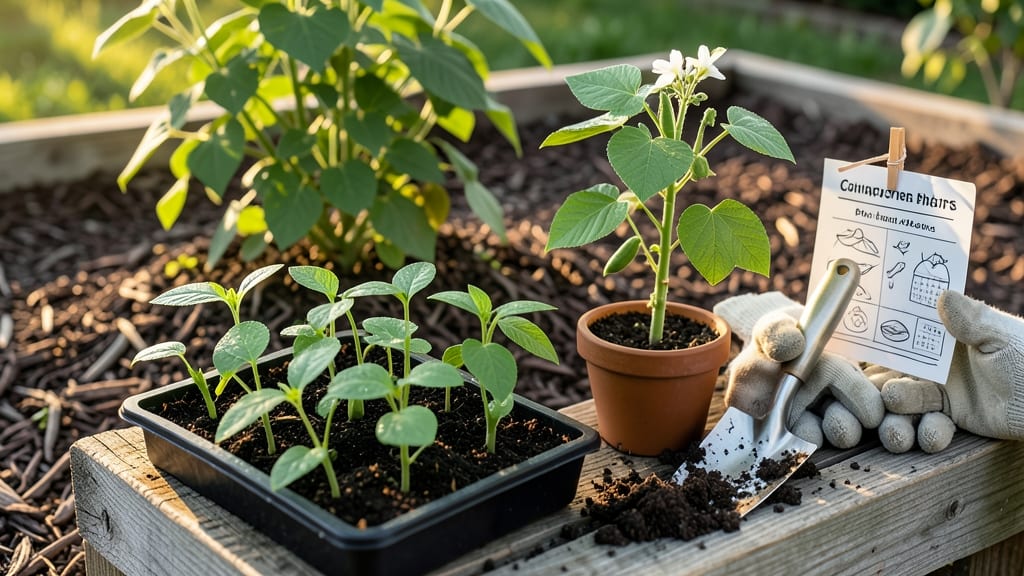
Wisconsin last frost dates & best bean planting windows by region
Wisconsin’s diverse climate zones mean your bean planting schedule should depend on whether you’re in the northern, central, or southern part of the state. The average last frost date ranges from early May in the north to mid-April in the south, creating a 2-3 week window for planting.
For most Wisconsin gardeners, the ideal planting window is between mid-April and early June, but timing varies by bean type.
Warm-season bush beans and pole beans need consistent temperatures above 60°F to thrive. Planting too early risks frost damage or stunted growth, while waiting too long may mean a shorter harvest before fall frosts.
In USDA Zones 5a-6b, most gardeners aim to plant 2-3 weeks after the last frost—typically by May 15 in the north and April 20 in the south.
For a fall harvest, you can also plant late-summer varieties around July 15 to August 1. These beans mature quickly (about 50-60 days) and can be harvested before the first frost in mid-October.
This strategy works well for short-season varieties like Kentucky Wonder or Blue Lake.
Here’s how to adjust your planting schedule based on Wisconsin’s three key regions:
| Region | Avg. Last Frost | Best Planting Window | Fall Planting Window |
|---|---|---|---|
| Northern WI (Zone 5a) | May 5 - May 15 | May 20 - June 1 | July 20 - Aug 5 |
| Central WI (Zone 5b) | April 25 - May 5 | May 10 - May 25 | July 10 - July 25 |
| Southern WI (Zone 6a-6b) | April 10 - April 20 | April 25 - May 10 | July 5 - July 15 |
If you’re unsure about your local frost dates, check the National Weather Service or use the Old Farmer’s Almanac for your specific county. For urban gardeners, microclimates (like heat islands near buildings) can push back frost dates by 1-2 weeks, so observe your garden’s behavior over time.
For pole beans, which take longer to mature, start seeds indoors 2-3 weeks before your last frost date.
Transplant seedlings outdoors after the soil warms to 60°F and all danger of frost has passed. Bush beans, which mature faster (about 50-60 days), can be sown directly into the garden once the soil is ready.
Pro tip: Use row covers or frost cloths to extend your planting window by 2-3 weeks earlier in spring or 2-3 weeks later in fall. This is especially useful in northern Wisconsin, where the growing season is shorter. Just remove covers once beans flower to prevent overheating.
Remember, beans are heat-loving plants, so aim for consistent temperatures above 70°F for optimal growth. If your summer brings unusually cool weather, opt for short-season varieties like Provider or Tendercrop, which mature in 45-50 days.
Finally, keep an eye on soil moisture during planting. Wisconsin’s spring often brings unpredictable rain, so avoid planting in waterlogged soil. Wait until the top 6 inches of soil are dry enough to crumble before sowing seeds.
Soil temperature & seed depth requirements for Wisconsin beans
Wisconsin’s clay-heavy soils and cool springs demand precise attention to soil temperature and planting depth for successful bean germination. Unlike warm-season crops, beans won’t sprout until the soil reaches a consistent 55°F—and they’ll bolt or rot if planted too deep.
Let’s break down the critical thresholds and techniques to get your seeds off to the right start.
Most bush and pole beans thrive when planted in soil that’s warmed to 60°F or higher. Use a soil thermometer (inserted 2 inches deep) to check daily—especially in Northern Wisconsin, where cold snaps linger into May.
For Southern Wisconsin, aim for mid-April plantings, while Northern regions may wait until late May. Pro tip: Dark-colored mulch (like straw) can raise soil temps by 2-3°F faster than bare earth.
| Requirement | Specification |
|---|---|
| Soil Temperature | 60°F+ (minimum 55°F) |
| Planting Depth | 1–1.5 inches |
| Spacing (Bush) | 3–4 inches apart |
| Spacing (Pole) | 4–6 inches apart |
| Organic Matter | 3–5% compost |
Wisconsin’s heavy clay soils can trap moisture and suffocate roots, so amending with compost or aged manure before planting is non-negotiable. Aim for 3–5% organic matter to improve drainage—especially in low-lying areas where water pools.
Test your soil’s pH too; beans prefer 6.0–7.0. If your soil is too acidic, mix in lime 2–3 weeks before planting.
For direct sowing, plant seeds 1 inch deep in rows spaced 18–24 inches apart (bush beans) or 6–8 inches apart (pole beans). If you’re starting indoors (for early starts), use biodegradable pots and transplant seedlings when soil hits 60°F.
Avoid burying seeds deeper than 1.5 inches—they’ll struggle to emerge, and shallow planting risks bird predation.
One common mistake? Planting beans too early in cold, wet soil. This leads to rotten seeds or stunted growth. Instead, wait for consistent warmth—even if it means delaying until late May in Northern Wisconsin.
Use row covers or black plastic mulch to warm soil faster if needed. Patience here pays off with healthier, faster-growing plants.
Finally, water deeply after planting to settle the soil around seeds, but avoid overwatering—beans hate soggy roots. Once sprouted, maintain 1–2 inches of water weekly, focusing on the base of plants to prevent fungal diseases like rust.
With the right soil prep, your beans will germinate in 7–14 days and reward you with a bountiful harvest.