
Plants
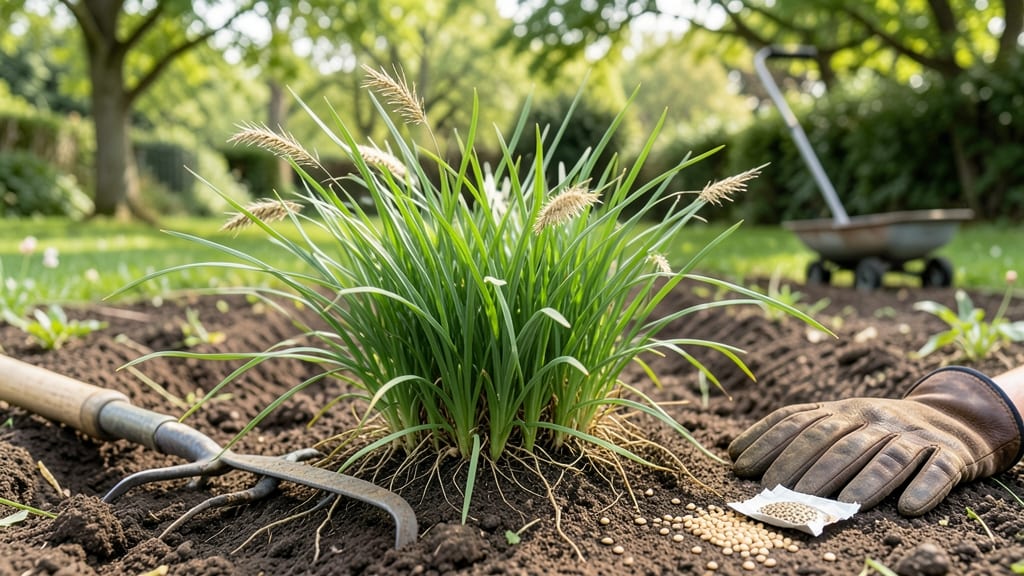
Planting ryegrass in Texas isn’t just about timing—it’s about giving your lawn or pasture a fighting chance against the heat and frost. If you wait too long in fall, your 🌱 ryegrass won’t establish strong roots before winter’s chill sets in.
But plant too early, and the summer heat will stress your seeds before they even sprout.
Texas gardeners know the 8a-10b zones demand precision, especially when aiming for that fast root growth before the first frost. Whether you’re overseeding an existing lawn or starting fresh, the window between late August and early October is your best bet for success.
This is where the magic happens—when soil temps cool just enough for seeds to germinate without wilting.
What if you missed the fall window? Don’t worry—winter planting (December to February) still works, but the key is preparing your soil and choosing the right variety. I’ll break down the exact steps to ensure your ryegrass thrives, no matter when you plant.
Let’s get those roots growing deep before Texas’ unpredictable winters take over.
Ready to transform your lawn or pasture? Stick with me, and I’ll show you how to time your planting for maximum winter resilience—plus the varieties that perform best in your specific Texas zone. Your future green space starts with the right move now.
Optimal Texas rye grass planting dates by region (fall 2024 guide)
Texas’ diverse climate zones mean your rye grass planting window depends on whether you’re in North, Central, or South Texas. The key is planting 4-6 weeks before the first frost—but Texas’ frost dates vary wildly, from mid-December in North Texas to late January in South Texas.
Here’s your region-specific calendar to avoid heat stress or late-season failures.
For North Texas (USDA Zones 7b-8a), aim to plant mid-August to early October. This gives seeds time to germinate before first frost (Dec 15).
In Central Texas (Zones 8a-8b), push your window to late August to mid-October—soil stays warm longer, but don’t wait past October 15 or germination slows. South Texas (Zones 8b-10a) gardeners have flexibility until mid-November, but plant by October 31 for best root establishment before January frosts.
Pro tip: Check soil temperatures—rye grass needs 55-65°F to germinate. Use a soil thermometer ($10 at garden centers) to confirm readiness. If temps dip below 50°F, wait 2-3 weeks or use a lightweight row cover to protect seedlings.
Heat-tolerant varieties like ‘Marshall’ ryegrass can handle late starts, but even they struggle if planted after October 15 in North Texas. For overseeding existing lawns, wait until after Labor Day to avoid smothering your warm-season grass with competition.
| Region | USDA Zone | First Frost | Ideal Planting Window | Last-Minute Window | Soil Temp Goal |
|---|---|---|---|---|---|
| North Texas | 7b-8a | Dec 15 | Mid-Aug to Oct 1 | Oct 15 (risky) | 55-65°F |
| Central Texas | 8a-8b | Dec 25 | Late Aug to Oct 15 | Nov 1 (slow growth) | 55-65°F |
| South Texas | 8b-10a | Jan 15 | Late Aug to Nov 15 | Dec 1 (marginal) | 60-70°F (warmer soil) |
Missed the fall window? Don’t panic—overseeding in late winter (February) works for spring pastures. Just rake up dead grass first and water daily for 2 weeks to help seeds germinate in cooler soil.
For eroded areas, plant ‘Gulf’ ryegrass—it tolerates sandy soils and germinates faster than standard varieties.
Watch for Texas’ unpredictable frost. Use the Texas A&M AgriLife Extension frost predictor (link in resources) to adjust your timeline. If frost hits early, cover seedlings with straw—it insulates roots without smothering growth.
For maximum root depth, plant 6-8 weeks before frost. Shallow roots mean weak winter survival, and you’ll spend next spring patching bare spots. Aim for 3-4 inches of root growth before December—this happens fastest with consistent morning watering and light fertilization (10-10-10, ½ cup per 100 sq ft).
✅ Pro Tip: Test your soil’s pH (6.0-7.0 ideal) before planting. Rye grass struggles in acidic soil (pH <5.5). Adjust with lime 4-6 weeks before seeding.
How to time rye grass planting for maximum root growth before winter
Timing your rye grass planting isn’t just about avoiding frost—it’s about giving roots 4-6 weeks to establish before winter dormancy. In Texas, this means starting late August to mid-October for most regions, but adjustments are key for North Texas (earlier) vs. South Texas (later).
The goal? Deep roots that survive winter and thrive in spring.
I’ve learned the hard way that planting too early (like July) risks heat stress and seed dormancy, while waiting until November leaves roots vulnerable to first frost.
The sweet spot is when soil temps drop to 60-70°F—ideal for germination without overheating. Use a soil thermometer to check before seeding.
Here’s my step-by-step process to maximize root growth before winter sets in:
Aim for pH 6.0-7.0—rye grass thrives in slightly acidic to neutral soil. If your soil is off, amend with lime (to raise pH) or sulfur (to lower pH).
Mix in 2-3 inches of compost to improve drainage and nutrient availability. Avoid fresh manure—it can burn seeds and attract pests.
Use a seed spreader for even coverage. Deeper planting delays germination, while shallow planting risks drought stress before roots establish.
Keep soil consistently moist (not soggy) until germination. Use a sprinkler or drip system to avoid washing seeds away.
Apply a low-nitrogen fertilizer (5-10-10) to encourage root growth without promoting top-heavy growth before winter.
Use straw mulch (1 inch thick) to retain moisture and insulate roots. Avoid thick mulch—it can smother seedlings.
One common mistake I see? Overwatering after germination. Once seedlings emerge, reduce to weekly deep watering to prevent fungal diseases like Pythium. Another tip: If you’re overseeding an existing lawn, mow short (1-1.5 inches) before planting to ensure good seed-to-soil contact.
Pro tip: Check your local Texas A&M AgriLife Extension for first frost dates in your county. For example, Dallas (North Texas) typically sees frost by December 15, while Houston (South Texas) may wait until January 15.
Plant accordingly to give roots time to penetrate 4-6 inches deep before dormancy.
With the right timing and care, your rye grass will establish a robust root system by winter—ready to outcompete weeds and provide lush green cover when spring arrives. 🌱