
Plants
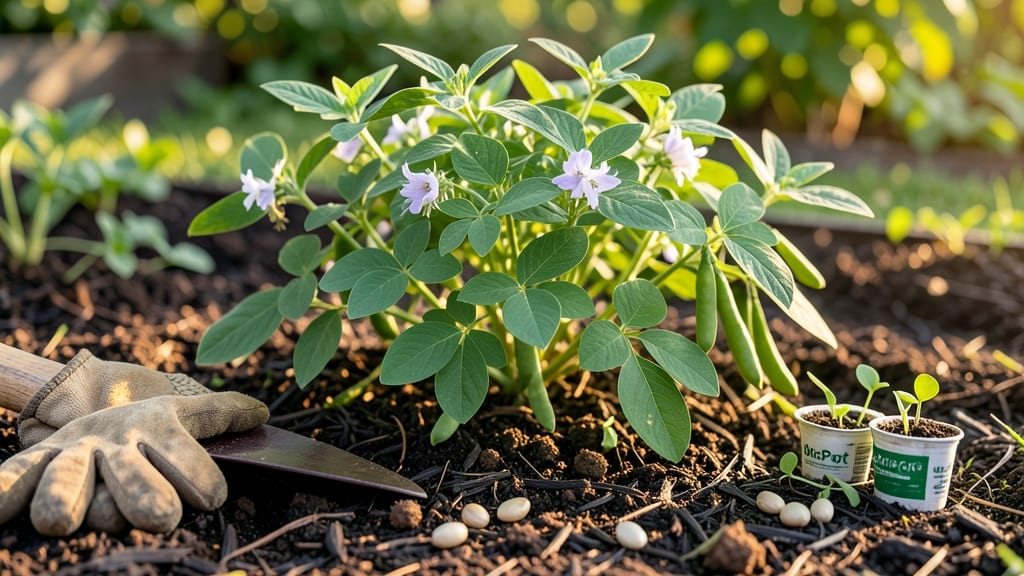
Timing your bean planting in Georgia isn't just about the calendar—it's about beating the heat and avoiding frost to grow healthy, productive 🌱 plants.
With the right schedule, you can enjoy fresh beans from June through November, but get it wrong, and you'll face stunted growth or even total crop failure.
Most gardeners in USDA zones 7b-8b know spring is the prime window, but did you know late summer planting can also yield a second harvest? The key lies in soil temperatures and understanding your local microclimate, whether you're in the Piedmont or coastal regions.
In this guide, I’ll break down the best months to plant bush and pole beans, plus pro tips for succession planting to stretch your harvest. You’ll learn how to pick varieties that thrive in Georgia’s heat and avoid common mistakes that ruin yields.
Ready to grow beans that outperform your neighbors’? Let’s get started with the exact planting schedule that works for Georgia’s climate.
Georgia’s bean planting zones: when to start based on heat tolerance
Georgia’s USDA zones 7b-8b create ideal conditions for beans, but timing varies dramatically between coastal regions and the Piedmont mountains.
Coastal areas like Savannah (Zone 8a) enjoy earlier planting (as early as February), while higher elevations near Blue Ridge (Zone 7a) should wait until April to avoid frost damage. The key is soil temperature—beans need 60°F+ to germinate properly.
Most Georgia gardeners focus on spring planting (March-April) and late summer replanting (August-September). Spring-planted beans thrive in cooler temperatures (70-85°F), while late-summer varieties like ‘Rattlesnake’ pole beans handle Southern heat better.
The last frost date (March 15) marks your cutoff for spring planting, but soil warmth is more critical than calendar dates.
Here’s how to align your planting with Georgia’s microclimates:
| Zone | Last Frost | Ideal Planting Window | Soil Temp Requirement | Heat-Tolerant Varieties |
|---|---|---|---|---|
| Coastal (8a) | Feb 15 | Feb 20 - Mar 15 | 60-65°F | ‘Contender’, ‘Blue Lake’ |
| Piedmont (7b) | Mar 15 | Apr 1 - Apr 15 | 65-70°F | ‘Rattlesnake’, ‘Kentucky Wonder’ |
| Mountains (7a) | Apr 1 | Apr 15 - May 1 | 70°F+ | ‘Provider’, ‘Blue Lake’ |
| Late Summer (All Zones) | N/A | Aug 15 - Sep 15 | 60°F+ | ‘Black Valentine’, ‘Scarlet Runner’ |
*Use a soil thermometer to verify temperatures before planting.
For spring planting, aim to harvest before summer heat peaks (June-July). If you miss the spring window, late summer planting (August-September) gives a second harvest before first frost (November 15). Succession planting every 2 weeks in spring extends your harvest window by 4-6 weeks.
Heat-sensitive varieties like ‘Blue Lake’ struggle in 90°F+ temperatures, while heat-tolerant types such as ‘Rattlesnake’ thrive in Georgia’s humid summers. Always mulch heavily (2-3 inches) to retain moisture and cool roots during peak heat. Drip irrigation in the morning prevents fungal issues from evening moisture.
Pro tip: Test your soil pH (6.0-7.0 is ideal) and amend with compost before planting. Beans fix their own nitrogen, but phosphorus-rich soil (from bone meal) boosts early root growth.
Plant seeds 1 inch deep and 3-4 inches apart for bush beans, or use trellises for pole beans to save space.
Watch for blossom drop in hot weather—a sign your plants are stressed. Increase shade cloth (30-50%) during 100°F+ heatwaves to protect flowering pods. Harvest regularly (every 2-3 days) to encourage more production.
In coastal Georgia, you can even try winter planting (December-January) for early spring harvests, but use row covers to protect from light frosts. Just remember: beans hate cold soil, so always wait for consistent warmth before sowing.
🌱
Best months to plant beans in Georgia by variety (bush vs. pole)
Georgia’s humid subtropical climate lets you grow beans twice a year—spring and late summer—but the best planting months depend on whether you’re growing bush beans (compact, 1-2 ft tall) or pole beans (vining, 4-6 ft tall).
Spring-planted beans thrive in cooler temperatures (60–85°F), while late-summer varieties handle Southern heat better (75–90°F). Let’s break down the exact calendar for each type.
For spring planting, aim for March 15–April 15 in most of Georgia (USDA zones 7b–8b). This gives seeds time to germinate before summer heat peaks. Pole beans need extra warmth, so wait until April 1–May 1 in cooler Piedmont regions.
Late-summer plantings should go in August 1–September 15 to avoid fall frost before harvest.
| Variety | Best Planting Window | Days to Maturity | Succession Tip |
|---|---|---|---|
| Bush Beans ('Contender') | March 15–April 15 | 50–55 days | Plant every 2 weeks for continuous harvest |
| Pole Beans ('Rattlesnake') | April 1–May 1 | 60–70 days | Use trellises to save space |
| Heat-Tolerant ('Black Valentine') | August 1–September 15 | 55–65 days | Mulch heavily to retain moisture |
| Dwarf ('Blue Lake') | March 1–April 10 | 45–50 days | Ideal for containers or small gardens |
Succession planting is key to nonstop harvests. For bush beans, sow new seeds every 2 weeks from March through May.
Pole beans, with their longer maturity, benefit from one-time planting in early April but can handle a second round in late July for a fall crop. Heat-tolerant varieties like 'Black Valentine' are your best bet for late-summer plantings—they thrive in 90°F+ temperatures that would scorch other types.
Pro tip: Test soil temperature before planting. Beans need soil at 60°F+ to germinate. Use a soil thermometer or wait until 2 weeks after your last frost date (typically mid-March in most of Georgia). Coastal areas (like Savannah) can plant 1–2 weeks earlier due to milder winters.
Avoid planting beans in June or July—the intense Southern heat causes poor germination and blossom drop. Instead, focus on spring and late summer for the sweetest, most productive harvests.
With the right timing, you’ll enjoy fresh beans from June through November—just in time for Georgia’s peak grilling season!
🌱