
Plants
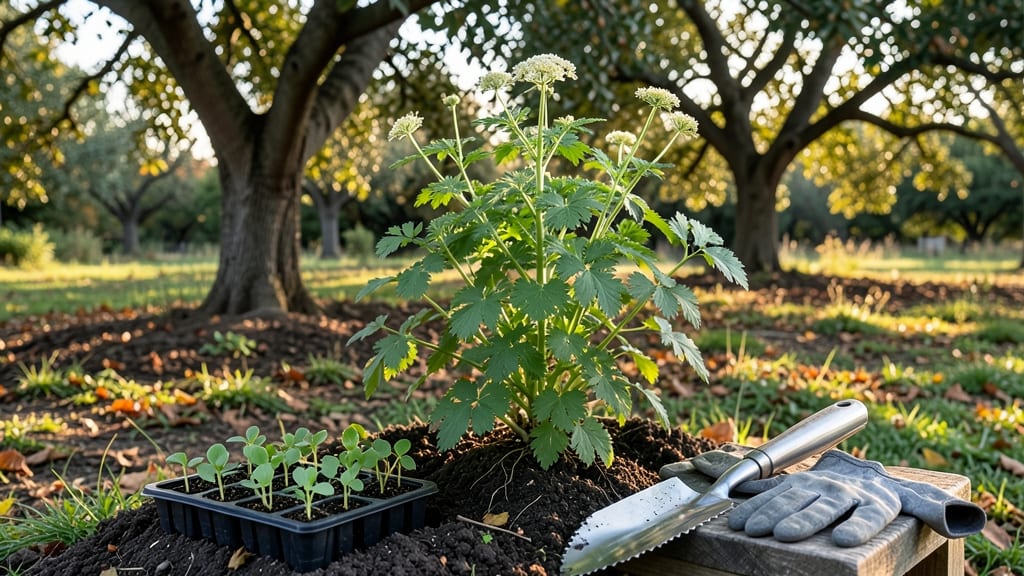
If you’ve ever planted cilantro in Georgia’s scorching summer and ended up with bitter, bolted leaves, you’re not alone—but the fix is simpler than you think.
The perfect timing for cilantro in Georgia’s 7b-8a zones isn’t just about avoiding heat; it’s about leveraging the cooler months when this 🌿 herb thrives.
Most gardeners in Georgia know cilantro struggles in summer, but the ideal window for planting is actually late summer to early fall—think August through September. This timing gives your cilantro a head start before winter chills set in, ensuring fresh, flavorful leaves by harvest season (September to November).
Why does this matter? Because planting at the wrong time means dealing with bolting (when cilantro flowers prematurely) or stunted growth from Georgia’s humidity and heat. I’ll show you exactly how to time your planting for maximum success, plus soil and light tips tailored to Georgia’s climate.
Ready to grow cilantro that stays fresh and flavorful? Let’s dive into the best strategies for your Georgia garden—no more wasted effort or bitter surprises.
Georgia’s ideal cilantro planting timeline for fall success
Cilantro thrives in Georgia’s cooler months, but timing is everything to avoid the dreaded bolting that turns your herb into a bitter, flowering mess.
The perfect window for fall planting spans from late August through mid-October, aligning with Georgia’s USDA zones 7b-8a and average first frost dates around mid-November.
Why fall? Cilantro hates heat above 80°F, and Georgia’s summer sun will send it racing to flower in just 2-3 weeks. By planting in fall, you give your cilantro 60-70 days of cooler temperatures before winter slows growth. This means flavorful leaves instead of seed stalks!
Here’s the breakdown of your fall planting timeline, tailored to Georgia’s microclimates. Whether you’re in Athens (Zone 8a) or Savannah (Zone 8b), these dates work for both regions with slight adjustments.
| Planting Stage | Ideal Dates (Georgia) | Temperature Range | Key Notes |
|---|---|---|---|
| Early Fall Planting | Late August - Early September | 70-80°F (day), 60-65°F (night) | Fastest growth; harvest by late October |
| Mid-Fall Planting | Mid-September - Early October | 65-75°F (day), 55-60°F (night) | Balanced growth; harvest through November |
| Late Fall Planting | Mid-October - Early November | 60-70°F (day), 50-55°F (night) | Slow growth; protect from early frost |
| Last Chance | After November 10 | Below 55°F (risk of frost) | Use row covers; expect slower harvest |
For Athens and northern Georgia, aim for early September to maximize your harvest window before the first frost. In Savannah and coastal areas, you can push planting slightly later—mid-September—thanks to the moderating ocean influence.
Always check your local frost dates using the Georgia Climate Project for precise timing.
Pro tip: If you plant in late August, use shade cloth (30-50%) to protect seedlings from intense late-summer sun. This mimics the cooler fall conditions cilantro craves and can add 1-2 extra weeks of harvest time.
Another trick? Sow seeds in succession every 2 weeks during your fall window. This ensures a continuous supply of fresh cilantro instead of one massive harvest followed by bolting.
For example, plant one batch on September 1, another on September 15, and a final one on October 1.
Watch for temperature drops below 40°F, which can stunt growth. If frost threatens, cover plants with frost blankets or move containers to a sheltered spot. With the right timing, you’ll enjoy homegrown cilantro from October through December—just in time for holiday salsas and soups!
Remember, cilantro is a cool-season crop, so avoid planting after mid-October unless you’re using protective measures. The key to success in Georgia is cool nights and mild days—not the scorching summers that ruin so many gardeners’ plans.
Georgia’s ideal cilantro planting timeline for fall success
Georgia’s USDA zones 7b-8a create perfect conditions for cilantro when planted at the right time. The key is avoiding summer heat, which causes bolting, and leveraging fall’s cooler temperatures for that classic cilantro flavor.
Most gardeners in Georgia focus on late summer to early fall plantings—typically between August 15 and September 15—to maximize harvest before winter sets in.
For a second harvest window, some gardeners also plant cilantro in late winter (February), but this requires protection from late frosts that can damage young seedlings.
The ideal soil temperature for germination is between 60°F and 70°F, making late summer the safest bet for most of Georgia’s climate zones.
If you’re planting in North Georgia (zone 7b), aim for September 1-15 to avoid early frosts that can hit as early as November 15. In South Georgia (zone 8a), you have a bit more flexibility—October plantings can still yield harvests before winter.
Just remember: cilantro bolts when temperatures rise above 75°F, so always monitor your garden’s microclimate.
For a successive harvest, try planting cilantro in two waves: one in late August and another in early September. This staggered approach ensures you’ll have fresh leaves even as the first batch matures.
Just be sure to thin seedlings to 6-8 inches apart to prevent overcrowding, which stresses plants and encourages bolting.
One Georgia-specific tip: If you’re in a coastal area, like Savannah, you might experience slightly milder winters. Test your soil’s drainage—cilantro hates soggy roots—and consider adding compost to improve fertility. Coastal humidity can also increase fungal risks, so avoid overhead watering.
Finally, mark your calendar for November 15, Georgia’s average first frost date. If you haven’t harvested by then, use row covers to extend the season. With the right timing, you can enjoy fresh cilantro straight from your garden well into December in most of the state.