
Plants
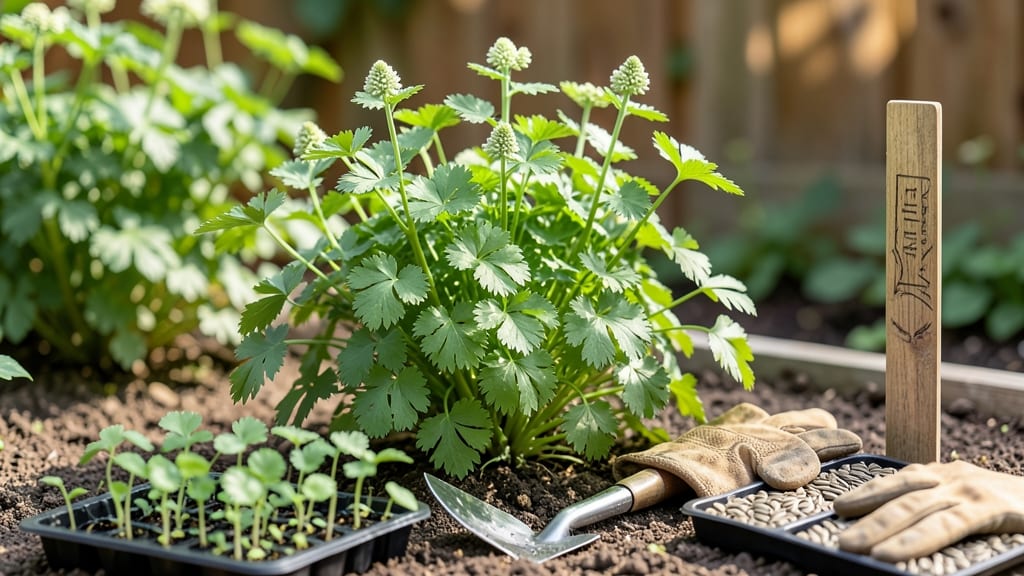
If you've ever planted cilantro in Arizona only to watch it bolt into seed within days, you're not alone. The key to growing this flavorful 🌿 herb successfully lies in timing—specifically, knowing when to plant cilantro in Arizona to beat the relentless heat.
Unlike cooler climates, Arizona's 9b zone demands a strategic approach. Fall planting between September and October gives cilantro the best shot at thriving before winter sets in, while spring plantings in February-March avoid the worst summer heat.
The difference between a thriving herb garden and a sad, wilted disappointment often comes down to these precise windows.
What makes this even trickier? Arizona's microclimates—like the scorching low desert of Phoenix versus the cooler high desert near Flagstaff—require different tactics. I'll break down exactly how to adapt your planting schedule based on where you live, plus heat-tolerant varieties that actually stand a chance in this climate.
Ready to grow cilantro that lasts? Let's dive into the perfect planting schedule, soil prep secrets, and shade strategies that will keep your cilantro lush and ready to harvest from October through May—no bolting in sight.
Best months to plant cilantro in Arizona’s climate zones
Arizona’s USDA Zone 9b climate offers unique challenges for growing cilantro. Unlike many herbs, cilantro thrives in cool weather and struggles with the intense summer heat. Timing your planting right ensures you harvest flavorful leaves before the bolt stage kicks in.
The ideal window is September to October for a fall harvest and February to March for a spring crop.
Cilantro’s optimal soil temperature for germination is between 60°F and 70°F. In Arizona, soil heats up quickly, so planting too early in summer risks bolting or poor germination. Wait until afternoon temperatures drop below 85°F—typically after the monsoon season in late August—to start seeds outdoors.
For high-elevation areas like Flagstaff, you can plant slightly earlier due to cooler nights.
Arizona’s microclimates play a huge role in success. In Phoenix and Tucson, the desert heat means cilantro must be planted in deep shade or under shade cloth during peak summer months.
Meanwhile, Tucson’s higher elevation allows for slightly longer growing seasons. Always check your local last frost date—though Arizona rarely sees frost, light freezes can occur in the high desert.
Here’s a quick reference for Arizona’s cilantro planting zones:
| Zone | Best Planting Months | Soil Temp (°F) | Harvest Window | Notes |
|---|---|---|---|---|
| Phoenix/Tucson Low Desert | September 15–October 15 | 60–70°F | October–November | Use shade cloth; avoid summer planting |
| Tucson Mid-Elevation | September 1–October 1 | 55–65°F | October–December | Cooler nights extend season |
| Flagstaff/High Desert | August 20–September 15 | 50–60°F | September–November | Light frosts possible; protect plants |
For a spring harvest, plant cilantro seeds in February once daytime temperatures stabilize below 75°F. This timing ensures you avoid the bolting trigger of long, hot days.
If you’re in a cooler microclimate like Sedona, you might even squeeze in a late-winter planting in January for an early spring crop.
Pro tip: Succession planting every 2–3 weeks in September and February keeps your supply fresh. Space seeds ½ inch apart and thin to 4–6 inches once seedlings emerge. This method ensures a continuous harvest without overwhelming your garden with one massive planting.
Always prepare your soil with compost to retain moisture—a critical factor in Arizona’s dry climate. Aim for well-draining soil with a pH of 6.2–6.8. If your soil is sandy, mix in organic matter like coco coir or peat moss to improve water retention.
Watch for bolting signs like tall flower stalks or bitter-tasting leaves. If this happens, harvest immediately or pull the plant to avoid spreading seeds. In Arizona’s heat, bolting can occur in as little as 3–4 weeks, so stay vigilant.
With the right timing and care, you’ll enjoy fresh cilantro straight from your Arizona garden for months—no wilting in sight! 🌿
Best months to plant cilantro in Arizona’s climate zones
Arizona’s USDA Zone 9b climate means cilantro thrives in cooler months when temperatures dip below 85°F. The ideal planting window spans from late August through October, with a secondary window in February-March for spring harvests. These timing strategies prevent the bolting that turns cilantro bitter in summer heat.
High desert areas like Flagstaff can plant 2 weeks earlier than Phoenix due to cooler nights. Meanwhile, Tucson’s microclimate allows for extended fall planting until November 15. Always check your last frost date—though Arizona rarely sees frost, high elevations may experience light frosts in winter.
| Zone | Best Planting Window | Soil Temp (°F) | Harvest Time |
|---|---|---|---|
| Phoenix/Tucson Lowlands | Late Aug - Oct 15 | 60-75°F | Oct - Nov |
| Flagstaff/High Desert | Early Aug - Nov 1 | 55-70°F | Sep - Dec |
| Spring Window (All Zones) | Feb 15 - Mar 15 | 60-75°F | Apr - May |
For soil preparation, cilantro prefers well-draining soil with a pH of 6.2-6.8. Mix 2 inches of compost into the top 6 inches of soil before planting. In containers, use a lightweight potting mix with perlite to prevent compaction.
Test your soil’s moisture retention—Arizona’s sandy soils dry quickly, so add organic matter to hold moisture.
Direct sow seeds ¼ inch deep, spaced 6-12 inches apart in rows 18 inches apart. Thin seedlings to 6 inches apart when they reach 2 inches tall.
This spacing prevents crowding, which increases humidity and fungal risks like downy mildew. Always plant in morning hours to reduce transplant shock from afternoon heat.
After planting, mulch with straw or shredded leaves to retain soil moisture and suppress weeds. In container gardens, use 2-3 inches of mulch to regulate temperature.
Avoid plastic mulches—they can overheat roots in Arizona’s climate. Water deeply at the base every 2-3 days during establishment, then taper to every 3-5 days once established.
Monitor your cilantro for bolting signs—long stems and yellowing leaves. If planted too early in spring or too late in fall, cilantro may bolt before harvest.
In Phoenix, aim to finish harvests by November 1 to avoid heat stress. For high desert areas, extend harvests until December before winter dormancy sets in.
Pro tip: Mark your planting dates on a garden calendar to track growth stages. Cilantro typically matures in 30-60 days, but heat waves can accelerate bolting. If temperatures rise above 80°F for more than 3 days, provide afternoon shade with a 30% shade cloth to protect your crop.