
Companion Plants
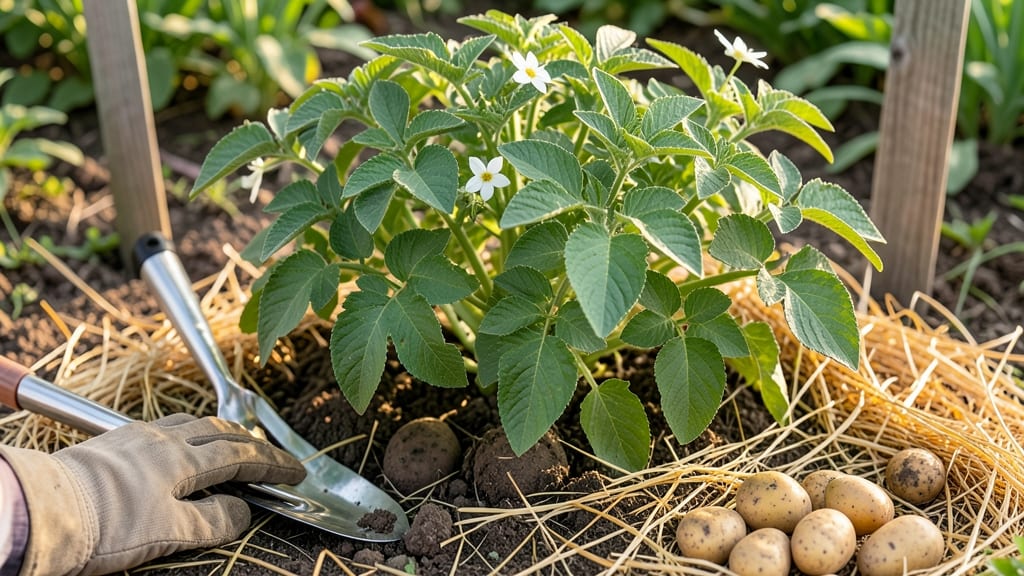
If you've ever wondered "when can I plant potatoes in Georgia", timing is the secret weapon between a bountiful harvest and a sad, stunted 🥔 pile.
Georgia’s warm climate and long growing season give you two prime planting windows—spring and fall—but getting it wrong means struggling with disease, poor yields, or even losing your crop entirely.
The key is planting when soil temperatures hit 45°F, which usually lands in February-March for early varieties or April-May for late-season types. But here’s the catch: Georgia’s diverse microclimates mean what works in Atlanta might fail in Savannah.
We’ll break down the exact dates for your region’s USDA zones (7b-8b) and show you how to adjust for unexpected late frosts or heat spikes.
Whether you’re growing Red LaSoda for quick harvests or Yukon Gold for that creamy texture, this guide gives you the precise schedule you need. Plus, we’ll share Georgia-specific hacks—like when to mulch, how to beat humidity-related diseases, and why your neighbor’s planting dates might not work for you.
Ready to grow potatoes that actually thrive in Georgia’s heat and humidity? Let’s dive into the exact planting calendar and pro tips that’ll turn your garden into a tuber treasure trove—without the guesswork.
Georgia potato planting calendar: exact dates by variety type
Georgia’s USDA zones 7b–8a give you a long growing window for potatoes, but timing varies by variety. Early potatoes like Red LaSoda thrive when planted in late February to early March, while late varieties such as Kennebec should go in April to early May.
The key? Plant when soil hits 45°F—cold soil stunts growth, and warm soil speeds up sprouting too fast.
North Georgia’s cooler mountain regions (e.g., Blue Ridge) may need 2–4 weeks earlier planting than South Georgia’s warmer coastal plains. Always check your last frost date (around March 15 in most areas) and adjust accordingly. For example, if frost lingers past March 15, delay planting until soil warms.
Here’s your Georgia-specific planting schedule for the three main potato types, including soil temp requirements and ideal harvest windows:
For North Georgia gardeners, aim for February 15–March 1 for early varieties to escape late frosts. In South Georgia, you can push planting to mid-March for early potatoes without risking frost damage.
Always use certified seed potatoes (not grocery store spuds) to avoid diseases like potato blight, which thrives in Georgia’s humidity.
Pro tip: Use a soil thermometer to confirm temps. If your soil is below 45°F, wait—cold soil slows sprouting and invites rot. For container growing, plant 2 weeks earlier since pots warm faster than ground soil.
Missed the spring window? Georgia’s mild winters allow for a fall planting of late varieties (like Kennebec) in August–September for a harvest before the first frost (November 15). Just reduce watering as harvest nears to toughen skins.
🌱
How to adjust planting dates for Georgia’s microclimates
Georgia’s diverse geography means your neighbor’s potato planting schedule might not work for you. North Georgia’s mountain regions (like the Blue Ridge) can experience late spring frosts well into April, while South Georgia’s Coastal Plain often warms up faster, allowing earlier plantings.
Even within cities, microclimates vary—urban heat islands can delay frost risks by weeks compared to rural areas.
Don’t rely on generic planting charts. Instead, use local frost data from sources like the Georgia Automated Environmental Monitoring Network (GAEMN). Check your county’s average last frost date—North Georgia typically sees frost until March 30, while South Georgia’s last frost averages March 15.
Plant 4-6 weeks before your local last frost date for early varieties.
Soil temperature matters just as much as air temperature. Use a soil thermometer to confirm your soil has reached 45°F—the ideal temperature for potato sprouts.
In North Georgia’s cooler highlands, this might not happen until mid-April, while South Georgia’s sandy soils warm up faster, often by late February. Pro tip: Test multiple spots in your garden—slope differences can create temperature variations of 5°F or more.
A warm February followed by a hard freeze in March can wipe out early plantings. Georgia’s 2019 false spring saw temperatures spike to 75°F in February, only to drop to 20°F two weeks later.
If you plant early, use frost cloth or choose cold-hardy varieties like Yukon Gold (tolerates brief chills better than Red Pontiac).
Elevation changes can shift planting windows by 2-3 weeks. For example, Dahlonega (2,600 ft elevation) might not be safe to plant until mid-April, while Savannah (sea level) could start as early as late January for heat-tolerant varieties.
If you’re unsure, plant a test row of early potatoes in mid-February—if they survive, you’ve got a safe window for the rest of your crop.
Drainage is another microclimate factor. Clay soils in North Georgia hold moisture longer, delaying planting until soil dries out enough to crumble easily. In contrast, sandy soils in South Georgia dry out faster and may need extra irrigation during dry spells.
Amend heavy soils with compost to improve drainage, and avoid planting in low spots where cold air pools.
For maximum success, adjust your schedule based on these three factors:
- Your county’s last frost date (check GAEMN)
- Soil temperature (wait for 45°F)
- Local elevation and drainage (test your microclimate)
Use this flexibility to stagger plantings—early varieties in February, mid-season in March, and late varieties in April—for a continuous harvest through summer.