
Plants
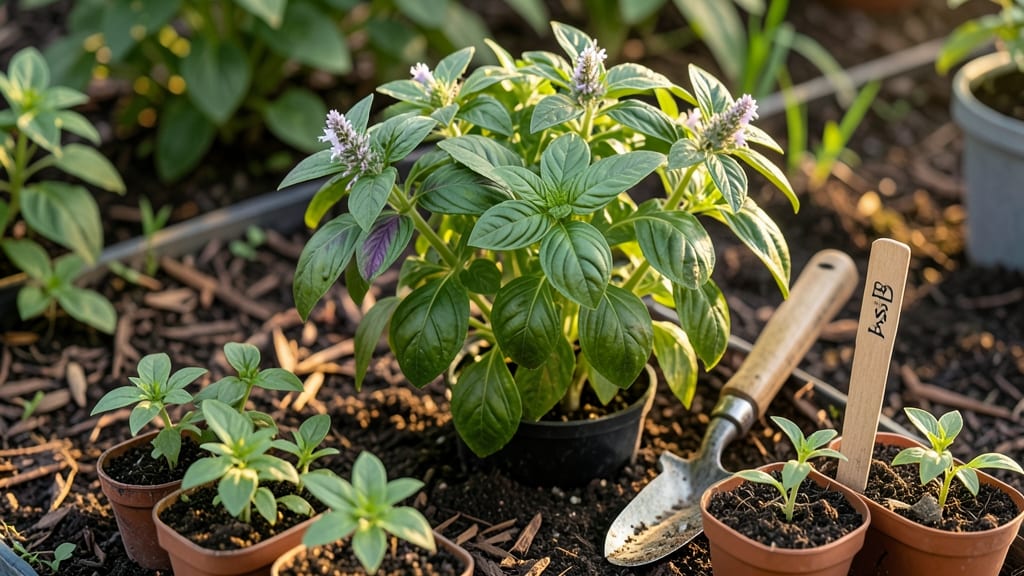
Maryland’s ideal basil planting window: avoiding frost and bolting
Timing your basil planting in Maryland is all about beating the last frost while avoiding premature bolting. With USDA zones 6-7, your frost-free window is tight—typically April 15 to October 20.
Planting too early risks cold damage, while late starts may lead to bitter leaves as summer heat triggers flowering.
Basil thrives in warm soil (50°F+) and consistent temperatures. Maryland’s average last frost date hovers around April 15, but microclimates near the coast may delay frost by 1-2 weeks. Always check your local frost date calendar—delaying until May 1 adds a safety margin for inland gardeners.
For sweet basil and Genovese varieties, aim to plant 4-6 weeks before your first expected heatwave. This gives roots time to establish before 90°F+ temperatures stress the plant. In Maryland, that means late April to mid-May for most regions.
🌱 Did You Know? Maryland’s humidity and short growing season make basil bolting a real risk. Bolting (premature flowering) happens when days get longer than 14 hours or temps exceed 85°F for weeks. Staggered planting—every 2 weeks—extends harvests and reduces bolting risk.
| Stage | Action | Maryland Timeline |
|---|---|---|
| Soil Prep | Test pH (6.0-7.0), amend with compost | Late March - Early April |
| Seed Starting | Indoor seeds 6-8 weeks before last frost | February 15 - March 1 |
| Transplant Outdoors | After soil reaches 50°F, harden off seedlings | April 15 - May 15 |
| First Harvest | Pinch flowers, harvest leaves when 4-6" tall | June 1 - July 15 |
| Fall Protection | Use row covers or move indoors before first frost | October 1 - October 20 |
Maryland’s coastal regions (like Annapolis) enjoy 2-3 extra frost-free weeks compared to inland areas. Use this to your advantage: coastal gardeners can start outdoor seeds in early April, while inland gardeners should wait until late April to avoid cold soil shock.
If you’re growing Thai basil or purple basil, push planting to mid-May. These varieties tolerate higher heat better but still need 6+ hours of sun. Avoid planting after June 15—late starts rarely mature before Maryland’s first frost in October.
For container gardening, use black pots to warm soil faster. Place containers in south-facing spots and move them indoors (sunny window) before October 1 to extend harvests. A grow light can add 4-6 more weeks of growth.
Watch for bolting signs: elongated stems, yellowing leaves, or tiny white flowers. If you see these, harvest immediately—bolted basil loses flavor fast. In Maryland, bolting peaks in July-August due to long daylight hours and heat stress.
Pro tip: Mulch with straw to keep soil cool and moist. This delays bolting by 10-14 days in Maryland’s humid summers. Pair mulch with drip irrigation to avoid overhead watering, which spreads fungal diseases like downy mildew.
Your basil’s flavor peaks when grown in Maryland’s summer heat—just don’t let it bolt! With the right timing, you’ll harvest sweet, aromatic leaves from June through October. Start early, protect from pests, and enjoy zero-waste basil all season.
Best basil varieties for Maryland’s climate and their planting adjustments
Maryland’s humid summers and variable frost dates mean not all basil varieties thrive equally. Sweet basil and Genovese are classic choices, but Thai basil and purple basil also adapt well with the right adjustments.
Each variety has unique heat tolerance and soil preferences that can extend your harvest from May through October.
For sweet basil, plant transplants after May 1 when soil warms to 55°F+.
This variety handles Maryland’s heat but bolts quickly if stressed by late frosts or drought. Genovese basil, prized for pesto, needs staggered planting—start seeds indoors in late March and transplant after April 15 to avoid cold damage.
Thai basil thrives in Maryland’s long, hot summers and can handle partial shade in peak afternoon heat. It’s perfect for late-June plantings when temperatures exceed 85°F. Meanwhile, purple basil tolerates cooler soils better, making it ideal for early April sowings in raised beds with added compost.
| Variety | Best Planting Time | Heat Tolerance | Soil Prep Tip |
|---|---|---|---|
| Sweet Basil | May 1–15 (transplants) | Moderate (bolts at 90°F+) | Add compost for moisture |
| Genovese | Late March (indoors) + April 15 (outdoors) | Moderate (needs shade in July) | Use mulch to retain heat |
| Thai Basil | June 15–July 1 (direct sow) | High (loves heat) | Well-draining soil only |
| Purple Basil | Early April (cold-hardier) | Moderate (bolts late) | Raised beds preferred |
To extend harvests, try succession planting. Sow new seeds every 2 weeks from May through July to ensure fresh basil as old plants bolt. For container gardening, use 5-gallon pots with moisture-retentive mixes—this works especially well for Thai basil in patio setups.
Maryland’s fall temperatures can trick basil into thinking winter’s coming. If you notice flower buds forming by September 15, prune them immediately to redirect energy to leaves. Purple basil often handles this better than others, making it a fall favorite for late-season harvests.
For year-round flavor, save seeds from your best plants in October and start indoor seedlings under grow lights by February. This ensures you’ll have fresh basil ready for spring planting without relying on store-bought starts.