
Lawn
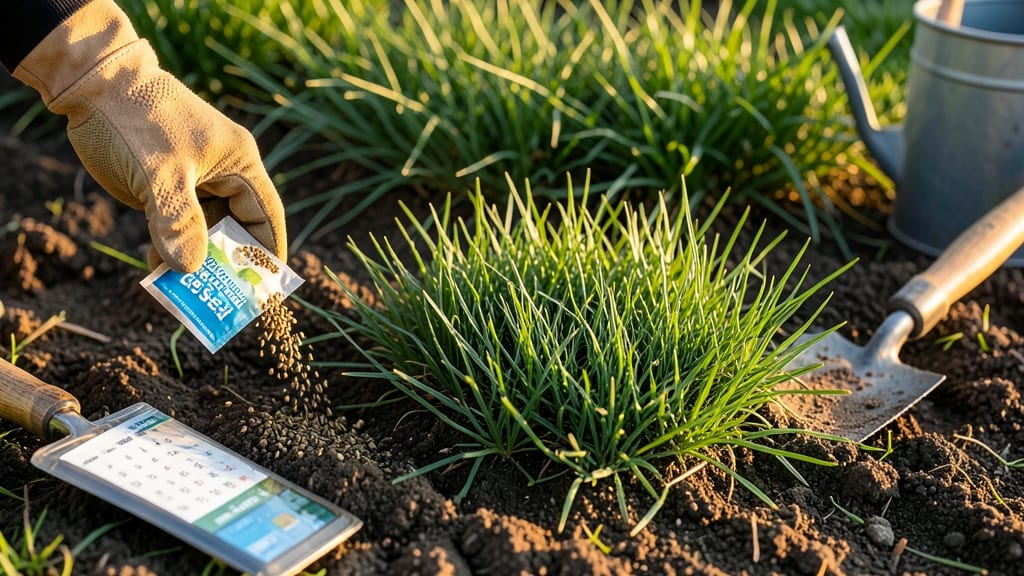
Planting grass seed in Ohio at the wrong time can mean the difference between a lush, green lawn and weeks of frustration watching frost nip your progress in the bud. The 6a climate zone brings its own challenges—too early, and a late frost zaps your seedlings; too late, and weeds steal the show before your grass even gets a chance to establish.
Timing isn’t just about dates—it’s about soil temperature, too. When those top 1-2 inches of soil hit 50-65°F, that’s your green light to spread seed.
In Ohio, that usually lands in early spring (think late April) or early fall (late September), but local microclimates can shift those windows by weeks. Let’s break down exactly when to plant for your specific corner of the state.
You’ll also discover how to prep your soil like a pro, choose the right grass varieties for Ohio’s unpredictable springs, and extend your planting window with smart tricks—like frost cloths and seed selection hacks.
No more guessing games: just a foolproof plan for a lawn that starts strong and stays that way.
Ready to skip the trial-and-error? I’ll walk you through the exact steps—from checking frost dates to keeping weeds at bay—so you can enjoy your new grass by summer without the stress. Let’s get growing!
Ohio grass seed planting timeline: frost-free dates & soil temperature rules
Ohio’s spring planting window for grass seed is one of the most critical decisions you’ll make this year. Unlike other plants, grass seed needs consistent soil temperatures between 50°F and 65°F to germinate properly.
Plant too early, and a late frost will kill your efforts; too late, and weeds will outcompete your seedlings. Let’s break down the exact timing you need for your region.
Most of Ohio falls within USDA Zones 5b to 6b, meaning your last frost date typically lands between mid-April and early May.
However, northern Ohio (like Cleveland) can experience frost as late as May 15, while southern Ohio (like Cincinnati) often sees frost-free conditions by April 1. These differences matter—planting too early in northern areas risks frost damage, while southern areas can start sooner.
Soil temperature is your best indicator, not just air temperature. Grass seed won’t sprout reliably until the soil warms to at least 50°F. Use a soil thermometer (available at garden centers for under $10) to check the top 1-2 inches of soil. If it’s cooler than 50°F, wait—even if the air feels warm. Patience here saves hours of backbreaking rework later.
Here’s the golden rule for Ohio: Aim to plant grass seed 4-6 weeks before your average last frost date. This gives seedlings time to establish roots before summer heat sets in. For most of Ohio, that means late March to early April for spring planting.
Fall planting (early September to mid-October) offers a second chance, as cooler soil temperatures and fewer weeds create ideal conditions.
🌱
| Ohio Region | Avg. Last Frost | Ideal Planting Window | Soil Temp. Goal | Key Risk |
|---|---|---|---|---|
| Northern Ohio (Cleveland, Toledo) | Mid-April to May 15 | Late April to early May | 50–65°F | Late frost damage |
| Central Ohio (Columbus, Dayton) | Early to mid-April | Late March to early April | 50–65°F | Weed competition |
| Southern Ohio (Cincinnati, Lexington) | Early April | Late March | 50–65°F | Drought stress |
| Fall Planting (All Regions) | Mid-September to mid-October | Early September to October | 60–75°F | Early frost |
To pinpoint your exact planting window, check the USDA Plant Hardiness Zone Map for your county. Ohio’s zones range from 5b in the north to 6b in the south, and even a 10-mile difference can shift your frost date by a week.
For real-time updates, use the Old Farmer’s Almanac or your local Cooperative Extension Service—both provide hyper-local frost predictions.
Pro tip: If you’re eager to start early, use a seed warming mat (available at garden centers) to raise soil temperature by 5–10°F. These mats are a game-changer for northern Ohio gardeners who want to plant in March without risking frost.
Just lay the mat over the prepared soil for 24–48 hours before seeding to jumpstart germination.
Once you’ve nailed the timing, the next step is soil preparation. Grass seed needs direct contact with soil to germinate, so rake the area to a fine tilth (like a golf course green) and remove all debris.
If your soil is compacted or clay-heavy, consider adding compost or sand to improve drainage. This step alone can double your success rate.
💧
Remember, fall planting is often the best option for Ohio. Cooler temperatures and higher humidity create ideal conditions for grass seed to establish deep roots before winter. Aim to plant 6–8 weeks before your first frost (typically early September).
This gives seedlings time to mature without the stress of summer heat or weed competition.
Finally, don’t rely solely on calendar dates—monitor your local weather. Sign up for alerts from the National Weather Service or use apps like PlantNet to track soil temperatures and frost forecasts.
With the right timing, you’ll have a thick, green lawn by summer, not a patchwork of weeds and bare spots.
Best grass seed varieties for Ohio’s climate & when to plant each
Ohio’s diverse climate—from the cool northern regions to the warmer southern areas—means not all grass varieties thrive equally. Choosing the right type and planting it at the optimal time ensures your lawn stays green, dense, and resilient year-round. Here’s what works best and when to sow it.
For northern Ohio (USDA Zones 5b-6a), focus on cold-hardy varieties like Tall Fescue and Kentucky Bluegrass. These handle frost well and establish quickly in early spring (April) or fall (September).
Southern Ohio (Zones 6b-7a) favors Bermuda grass and Zoysia, which prefer late spring (May) or early fall (October) planting.
🌱
| Variety | Best Planting Time | Shade Tolerance | Drought Resistance | Cold Hardiness |
|---|---|---|---|---|
| Kentucky Bluegrass | Early spring (April) or fall (Sept-Oct) | Moderate | Low | High (Zones 3-9) |
| Tall Fescue | Spring (April-May) or fall (Sept) | High | Moderate | High (Zones 4-9) |
| Perennial Ryegrass | Early spring (March-April) or fall (Sept) | Low | Low | Moderate (Zones 5-9) |
| Bermuda Grass | Late spring (May-June) or early fall (Sept) | Low | High | Low (Zones 7-10) |
| Fine Fescue | Fall (Sept-Oct) preferred | Very High | Moderate | High (Zones 4-8) |
If your lawn gets partial shade, opt for Fine Fescue or Tall Fescue blends, which tolerate 3-6 hours of shade daily. For sunny areas, Kentucky Bluegrass or Bermuda grass will thrive with 6+ hours of sunlight.
For drought-prone areas, mix Tall Fescue with Bermuda grass—Tall Fescue establishes quickly in spring, while Bermuda takes over in summer for heat resistance. Always test your soil’s pH (6.0-7.5 ideal) and amend with lime or sulfur if needed before planting.
💧