
Plants
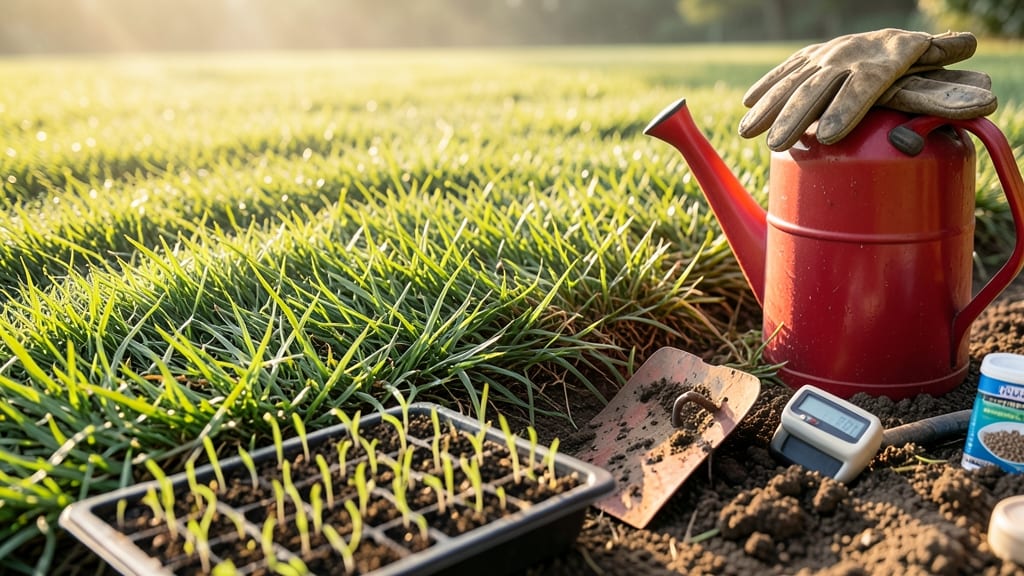
Timing your Bermuda grass planting in Georgia (GA) isn't just about checking a calendar—it's about waiting for that perfect soil temperature and dodging late frosts that can derail your dream lawn.
Plant too early, and you'll waste months watching seeds or sprigs sit idle in cold soil, while planting too late might leave your yard bare just as summer kicks in.
Most Georgia gardeners aim to plant between late April and June, but the real magic happens when soil hits 75°F+—a rule that varies dramatically from coastal Savannah to the Piedmont hills.
I'll break down exactly how to test your soil's readiness and why May is the sweet spot for most of the state, including USDA zones 7a-8b.
You'll also discover how to use last frost dates by county to fine-tune your schedule, plus 5 red flags that mean you're planting too soon. Whether you're sprigging, plugging, or laying sod, these insights will help your 🌱 Bermuda grass take off faster and stay thick through Georgia's brutal summers.
Let's cut through the guesswork so you can enjoy a lush, low-maintenance lawn by Memorial Day—without the frustration of waiting too long or risking frost damage. Ready to get started?
Georgia’s ideal Bermuda grass planting window by soil temperature (not calendar dates)
Bermuda grass thrives in Georgia’s heat, but soil temperature—not calendar dates—dictates the perfect planting window. Unlike cool-season grasses, Bermuda needs consistent warmth to germinate and establish roots. Aim for soil temps above 75°F (24°C) for optimal growth, as cooler conditions slow or halt germination entirely.
Most Georgia gardeners mistakenly plant too early, risking weak growth or complete failure. The Piedmont region (e.g., Atlanta) typically hits ideal temps by mid-April to early May, while coastal areas (Savannah) may reach readiness as early as late March.
North Georgia’s mountain counties often lag until May or June.
To check soil temperature, use a soil thermometer or a deep soil gauge. Insert it 4-6 inches deep in full sun—this mimics the depth where Bermuda roots will grow. If the reading is below 70°F (21°C), wait at least 1-2 weeks for warmer conditions.
Bermuda grass spreads aggressively once established, but slow germination in cool soil means wasted time and money. For sprigs or sod, wait until soil temps stay above 75°F for 5+ days. Seeds require even warmer conditions (80°F+) and are less reliable in Georgia’s climate.
| Georgia Region | Ideal Planting Window | Soil Temp Requirement | Key Risk |
|---|---|---|---|
| Coastal (Savannah, Brunswick) | Late March–Mid-April | 75°F+ (24°C+) | Early rains dilute soil warmth |
| Piedmont (Atlanta, Macon) | Mid-April–Early May | 75°F+ (24°C+) | Unpredictable late frosts |
| North Georgia (Dahlonega, Blue Ridge) | May–June | 80°F+ (27°C+) | Cool nights stunt growth |
| Valley (Columbus, Rome) | Early April–Late April | 75°F+ (24°C+) | Drought stress in early spring |
If you’re planting Bermuda sprigs, the earliest safe window is when daytime highs consistently reach 85°F (29°C). Sprigs root faster in warm soil, giving you a thicker lawn in 3-4 weeks compared to seeds, which can take 6-8 weeks to establish.
For sod installation, prioritize soil warmth over air temperature—roots need to penetrate 2-3 inches deep within the first week.
Pro tip: Use black plastic mulch 2-3 weeks before planting to raise soil temperature by 5-10°F. Lay it over prepared beds in full sun and remove it just before planting. This trick is especially useful in North Georgia, where cooler springs delay ideal conditions.
Once soil temps hit 80°F+ (27°C+), Bermuda grass grows 1-2 inches per week under optimal conditions. Pair this with consistent watering (1-1.5 inches weekly) and high-nitrogen fertilizer (16-4-8) to encourage rapid establishment. Avoid planting in July or August, as extreme heat can stress new growth.
For container gardening, use heated seedling trays to maintain 75°F+ soil temps year-round. This method lets you start Bermuda grass indoors in February and transplant once outdoor conditions align. Just ensure containers have drainage holes to prevent root rot.
Remember: Bermuda grass is dormant in winter and goes dormant in extreme heat (above 95°F). Planting too late (after July) risks heat stress before roots establish. Balance your planting date with summer rainfall patterns—Georgia’s dog days (June-August) bring frequent storms, which can help young Bermuda grass thrive.
Georgia’s ideal Bermuda grass planting window by soil temperature (not calendar dates)
Forget memorizing calendar dates—your Bermuda grass (Cynodon dactylon) won’t germinate until the soil hits 75°F (24°C), and that timing varies wildly across Georgia’s climate zones. Coastal areas like Savannah may hit this threshold by mid-April, while North Georgia’s mountains might wait until late May.
The key is tracking soil temperature, not just air temperature.
Use a soil thermometer (insert 4 inches deep) to confirm readiness. If your thermometer reads below 65°F (18°C), your grass will rot before sprouting. Pro tip: Check temps in the late afternoon—that’s when soil is warmest.
In USDA Zones 7b-8a, this usually aligns with May 1-15 for most of Georgia.
🌱 Georgia Soil Temperature Guide for Bermuda Grass
| Region | Soil Temp Threshold | Typical Planting Window | Risk if Planted Early |
|---|---|---|---|
| Coastal GA (Savannah, Brunswick) | 75°F+ by mid-April | April 15–May 15 | Fungal rot (90% humidity) |
| Central GA (Atlanta, Macon) | 75°F+ by early May | May 1–May 31 | Slow germination (50% success) |
| North GA (Dahlonega, Blue Ridge) | 75°F+ by late May | May 20–June 15 | Frost damage (30% risk) |
If you’re planting sprigs (not sod), aim for 80°F+ soil—they establish faster in warmer conditions. For sod, 70°F+ is sufficient, but roots won’t penetrate deeply until 75°F+.
My personal rule: Wait until you can comfortably leave a tennis shoe on the soil for 10 minutes without burning your feet.
Don’t rely on air temperature—soil warms 3–5 days slower than the air, especially in shaded or clay-heavy areas. Test multiple spots in your yard, as microclimates can create 2–3 week differences in soil readiness. For example, a south-facing slope might be plantable weeks before a north-facing yard.
Once your soil hits 75°F+, act fast—Bermuda grass grows aggressively in 85°F+ conditions. If you miss the window, wait for late summer (August) for a second chance, though establishment will be slower.
Pro move: Use a black plastic mulch 2–3 weeks before planting to warm the soil 5–10°F faster.
After planting, monitor soil moisture—drought stress during germination (first 2 weeks) can kill your lawn before it starts. Water lightly daily (¼ inch) to keep the top 1 inch of soil moist, but avoid over-saturating, which suffocates roots.
Once you see 1 inch of green, you’ve timed it right! 🌱