
Plants
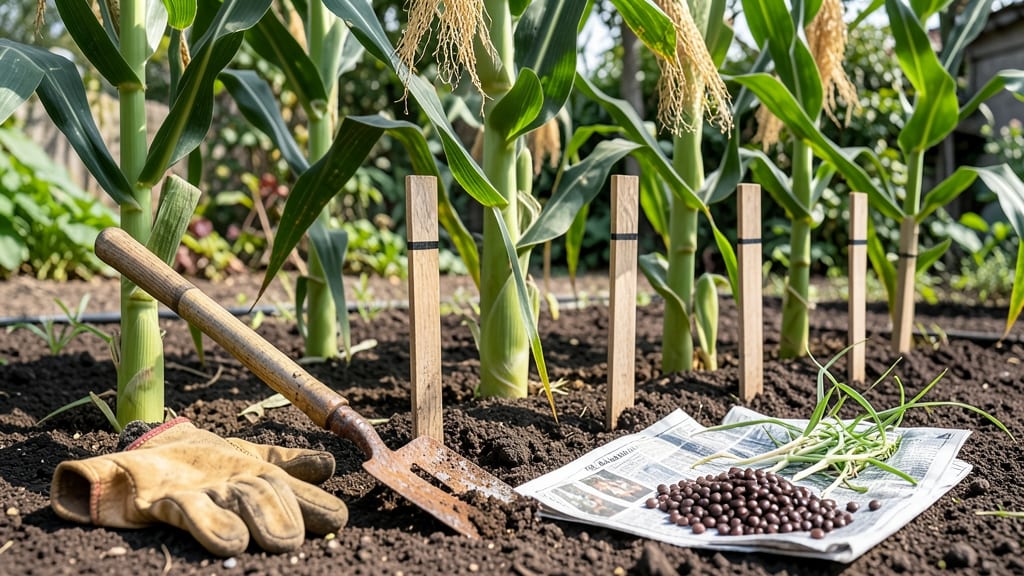
Timing your corn planting in Washington State could mean the difference between a bumper crop and a failed harvest—especially with the state’s dramatic climate shifts from coastal dampness to inland dry heat.
If you’ve ever wondered why some gardeners in Zone 7b-8a plant 🌽 as early as mid-April while others wait until June, the answer lies in frost risks, soil warmth, and microclimates. Get it wrong, and your corn faces stunted growth or frost damage before it even matures.
But with the right strategy, you can align your planting with Washington’s unique frost-free windows and variety-specific needs.
Here’s what you need to know: the ideal planting window, how to adjust for your specific region (whether you’re in the wet Pacific Northwest or the drier eastern plains), and which corn varieties thrive when planted at different times.
Let’s break down the exact frost-free timeline for your area—so you can plant with confidence and avoid common mistakes that waste time and resources.
Washington State corn planting dates by region: frost-free Zones explained
Washington’s diverse microclimates mean your corn planting window could span from late March in the Columbia Basin to mid-June in Western WA’s coastal areas. The key? Planting after your region’s average last frost date—and accounting for heat-unit requirements (corn needs 1,500–2,500 growing degree days to mature).
Let’s break it down by region so you avoid frost damage or stunted ears.
In Western WA (USDA Zones 7b–8a), where cooler, wetter springs delay planting, aim for mid-April to early May. Areas like Seattle or Bellingham typically see their last frost around April 15, but wait 2–3 weeks after that date to plant—soil needs to warm to 60°F+.
For sweet corn varieties like ‘Silver Queen’ (ready in 70 days), this timing ensures harvests by late July before autumn rains arrive.
Eastern WA (Zones 5b–6a) offers earlier planting due to drier, warmer springs. In Spokane or Wenatchee, last frosts hit around May 1–15, so you can plant field corn (like ‘Pioneer 33B38’) as early as late April.
The Columbia Basin is even warmer—Moses Lake gardeners can start by late March for early June harvests. Just watch for hot, dry winds that stress young seedlings.
| Region | USDA Zone | Last Frost Date | Ideal Planting Window | Harvest Window |
|---|---|---|---|---|
| Western WA (Seattle, Bellingham) | 7b–8a | Mid-April | Mid-April to early May | Late July–early Sept |
| Eastern WA (Spokane, Wenatchee) | 5b–6a | May 1–15 | Late April–early June | Early Aug–late Sept |
| Columbia Basin (Moses Lake, Yakima) | 6b–7a | Late March–early April | Late March–mid-May | June–early Oct |
For popcorn varieties like ‘Mushroom’ (ready in 90–100 days), Eastern WA’s longer growing season lets you push planting to late May for fall harvests. But in Western WA, late plantings risk immature ears before the first frost.
Use black plastic mulch to warm soil faster if you’re planting early in cooler zones.
Pro tip: Check your local agricultural extension office for microclimate adjustments. For example, Puget Sound’s rain shadow can delay last frosts in Everett by 1–2 weeks compared to Olympia.
And if you’re in a high-elevation area (like Leavenworth), plant only short-season varieties (e.g., ‘Peaches & Cream’) to avoid frost.
Soil temperature matters more than air temperature. Use a soil thermometer to confirm 60°F+ at 4-inch depth before planting. Cold soil slows germination, leading to uneven sprouts or seed rot. In Western WA, this often means waiting until late April even if frost risk drops earlier.
Another critical factor: heat-unit accumulation. Corn needs 1,500–2,500 GDDs (growing degree days) to mature. Use a GDD calculator (like Washington State University’s) to estimate your region’s heat potential.
For instance, Spokane accumulates ~2,200 GDDs by September 1, while Seattle hits ~1,800 GDDs—limiting your options to early-maturing varieties.
If you’re in a transition zone (like Tri-Cities), consider succession planting. Start with early varieties (e.g., ‘Ambassador’) in April for July harvests, then plant mid-season types (e.g., ‘Golden Bantam’) in May for September picks. This stretches your harvest window and reduces waste.
Best corn varieties for Washington State and their ideal planting times
Washington State’s corn varieties range from fast-maturing sweet corn for short summers to heat-tolerant field corn for the drier eastern regions. Choosing the right type ensures you avoid frost damage and maximize your harvest window.
For example, ‘Silver Queen’ sweet corn thrives in Western WA’s cooler climate, while ‘Pioneer 33B38’ field corn handles Eastern WA’s hotter summers. Let’s break down the best options and their precise planting times.
Sweet corn varieties like ‘Ambrosia’ or ‘Peaches and Cream’ mature in just 60-75 days, making them perfect for late spring plantings in Zone 7-8 (Western WA). These varieties should be sown between April 15 and May 15 to avoid early frost.
In contrast, popcorn varieties like ‘Mushroom’ take 90-110 days to mature, requiring earlier plantings—mid-April to early May—to ensure a full harvest before fall frosts.
| Variety | Type | Days to Mature | Best Planting Window | Region Fit |
|---|---|---|---|---|
| Silver Queen | Sweet Corn | 70-75 days | April 15–May 15 | Western WA (Zones 7-8) |
| Pioneer 33B38 | Field Corn | 100-110 days | April 1–May 10 | Eastern WA (Zones 5-6) |
| Mushroom (Popcorn) | Popcorn | 90-110 days | Mid-April–early May | All regions |
| Ambrosia | Sweet Corn | 60-65 days | May 1–June 1 | Western WA (late plantings) |
For early-season harvests, consider ‘Peaches and Cream’ or ‘Bodacious’, which mature in just 60-70 days. These are ideal for planting in late April to early May in Western WA, ensuring you can enjoy fresh ears by late July.
In contrast, field corn varieties like ‘Golden Bantam’ (a heritage variety) take 85-95 days and are better suited for earlier plantings in April to avoid frost risks in shorter growing seasons.
If you’re growing corn in the Columbia Basin or Eastern WA, prioritize heat-tolerant varieties like ‘Pioneer 3906’ or ‘Garrison’. These can handle the hotter, drier conditions and should be planted by mid-April to ensure they mature before the first frost, typically around mid-October.
Always check the average frost dates for your specific location—tools like the Old Farmer’s Almanac or local USDA climate data are invaluable.
Pro tip: If you love succession planting, stagger your corn varieties every 2 weeks between April and June. This ensures a continuous harvest and reduces the risk of losing your entire crop to pests or weather events.
For example, plant ‘Silver Queen’ in April, ‘Ambrosia’ in May, and ‘Peaches and Cream’ in June for a 3-month harvest window.
Remember, soil temperature is just as critical as air temperature. Corn seeds won’t sprout until the soil reaches 60°F. Use a soil thermometer to monitor—if it’s cooler, wait or use black plastic mulch to warm the soil faster.
With the right variety and timing, you’ll enjoy homegrown corn from July through September—no matter where in Washington State you garden! 🌽