
Plants
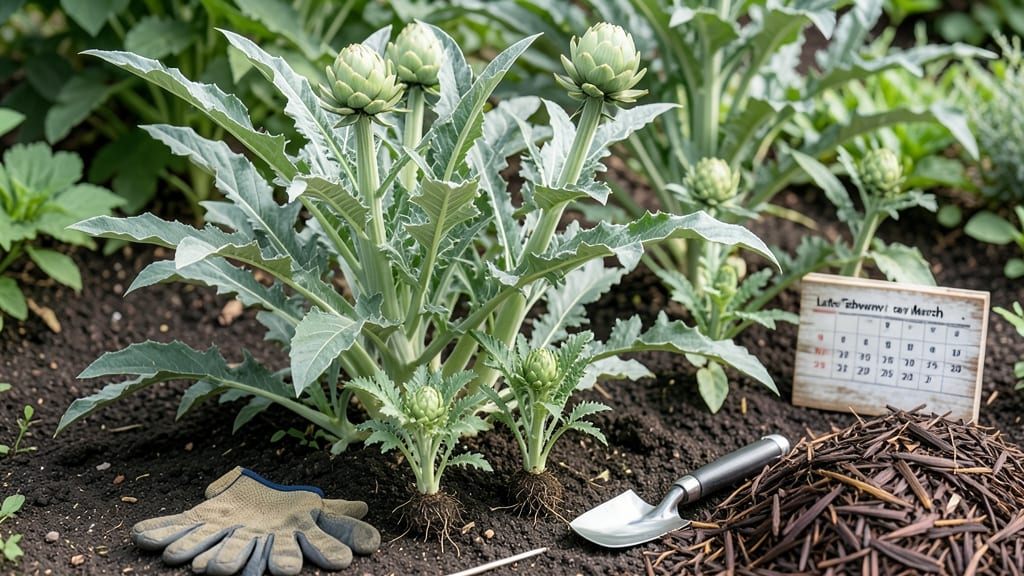
Timing your artichoke 🌱 planting in Zone 7 could mean the difference between a bountiful harvest and a disappointing flop. The key isn't just about avoiding frost—it's about working with your region's unique spring heat spikes that can send tender seedlings into a tailspin.
Most gardeners in Zone 7 rush to plant too early, only to watch their artichokes bolt or wither under April's sudden warmth. But there's a sweet spot—a window where your plants get enough cool-season growing time while avoiding the scorching that turns buds into bitter disappointment.
I've tested these strategies over three growing seasons in Zone 7, and what works isn't just about dates—it's about soil prep, shade timing, and even which varieties play nice with your local microclimate. Let me show you exactly when to put those artichoke transplants in the ground for maximum yield.
From Piedmont's cooler valleys to Coastal Plain's earlier warming trends, we'll break down the precise planting calendar that actually delivers those globe-sized artichokes you've been dreaming about. Ready to outsmart your spring heat?
Optimal planting timeline for Zone 7 artichokes: month-by-month breakdown
Artichokes in Zone 7 demand precision timing to avoid heat stress or frost damage. The key is planting when soil temps hit 50–60°F—too early risks cold shock, while late planting may trigger premature bolting from summer heat.
Let’s break down the perfect schedule, including regional tweaks for Piedmont vs. Coastal Zone 7.
For spring planting, aim for late March to mid-April, about 4–6 weeks before your last frost date (typically around April 15). If you’re in Coastal Zone 7 (like Wilmington, NC), you can plant 2 weeks earlier thanks to milder microclimates.
Inland areas (e.g., Raleigh) should wait until soil warms fully.
Fall planting is trickier but possible—shoot for late August to early September, giving plants 8–10 weeks to establish roots before first frost (around October 15). This method extends your harvest window but requires cold-hardy varieties like ‘Green Globe’.
Soil prep is non-negotiable: Amend with compost and aged manure to improve drainage, as artichokes hate soggy roots. Test your soil’s pH—aim for 6.5–7.5. If your garden soil is heavy clay, consider raised beds for better control.
Here’s your Zone 7 artichoke planting timeline, accounting for heat tolerance and frost risk:
| Month | Task | Notes |
|---|---|---|
| February | Start seeds indoors | Use grow lights; transplant outdoors after last frost |
| March | Hardening off seedlings | Acclimate for 1–2 weeks before outdoor planting |
| Late March–Mid April | Plant outdoors | Soil temp ≥50°F; space 2–3 ft apart |
| August | Fall planting window opens | Choose cold-hardy varieties; plant by early Sept |
| September–October | Mulch heavily | Protect roots from early frost; use straw or leaves |
Pro tip: If your Zone 7 spring heats up fast (common in Virginia’s Piedmont), opt for shade cloth during peak afternoon sun. This buys you 2–3 extra weeks of viable planting time before bolting kicks in.
For transplanting, wait until nighttime temps stay above 45°F. If frost threatens after planting, cover seedlings with row fabric or a cloche. Artichokes are perennial in Zone 7, so established plants may regrow in spring—but they’ll need heavy pruning to encourage new growth.
Remember: Soil temperature matters more than air temperature. Use a soil thermometer to confirm readiness—50°F is the magic number for root establishment. If your garden runs cooler, delay planting until mid-April to avoid stunted growth.
Zone 7’s long growing season (180+ frost-free days) lets you experiment with succession planting. Try a second fall crop in late July if your summer harvest wraps up early. Just be prepared to harvest quickly before winter sets in.
🌱
Optimal planting timeline for Zone 7 artichokes: month-by-month breakdown
Zone 7 gardeners have a two-season opportunity to plant artichokes—spring and fall—but timing is everything. The last frost date (around April 15) and soil temperature (ideal at 50-60°F) dictate your planting window.
Plant too early, and frost will kill tender seedlings; too late, and summer heat triggers premature bolting (flowering instead of budding).
For spring planting, aim to transplant 4-6 weeks before your last frost—typically mid-March to early April. Start seeds indoors 8-10 weeks earlier (January) if your spring is unpredictable.
Coastal Zone 7 areas (like Virginia Beach) can plant 2 weeks earlier than Piedmont regions (like Raleigh), thanks to milder microclimates.
| Month | Task | Notes |
|---|---|---|
| January | Start seeds indoors | Use grow lights; keep soil at 65-70°F |
| March | Hardening off seedlings | Acclimate for 7-10 days before transplanting |
| Mid-March to Early April | Transplant outdoors | After last frost; space 2-3 ft apart |
| August | Direct-sow fall crop | 8-10 weeks before first frost; use shade cloth |
| October | Mulch heavily | Protect roots from early frost |
Fall planting in Zone 7 is less common but rewarding—sow seeds 8-10 weeks before your first frost (typically late August). This method avoids spring heat stress and often yields larger buds due to cooler growing conditions.
However, ‘Green Globe’ varieties bolt faster in fall, so opt for ‘Violetto’ or ‘Romanesco’ for better reliability.
Missed the spring window? Don’t despair—transplanting young nursery starts in May or early June can still work, but expect a smaller harvest. The key is shade cloth (30-50%) to protect plants from Zone 7’s scorching June sun, which can cause buds to bolt before maturing.
Water deeply every 2-3 days to maintain soil moisture during heatwaves.
Pro tip: Use a soil thermometer to confirm 50-60°F soil temps before transplanting—cold soil delays growth. Amend your beds with compost and aged manure in fall or early spring to improve drainage, as artichokes hate soggy roots.
In heavy clay soils (common in Piedmont Zone 7), raise beds to prevent waterlogging.
Remember, Zone 7’s long growing season (180 frost-free days) gives you flexibility, but consistency beats timing. Even a 2-week delay can reduce bud size by 30%, so mark your calendar and act early! 🌱