
Plants
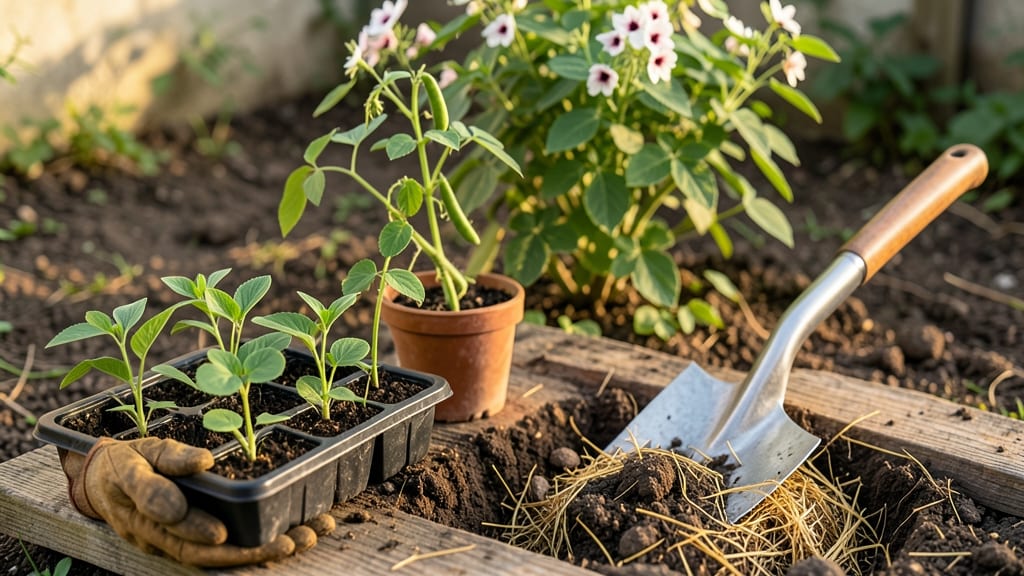
Planting beans in Zone 7 at the wrong time can leave you staring at a garden full of sad, stunted 🌱 sprouts instead of a bountiful harvest.
The key isn't just waiting for spring—it's understanding how to work with your climate's quirks to give those seeds the warm start they crave.
Most gardeners in Zone 7 wait until after the last frost (usually around April 15), but that can mean waiting too long for soil to warm up. With the right tricks—like using black plastic mulch or row covers—you can plant 2-4 weeks earlier and still get fast, vigorous growth.
Whether you're growing bush beans for quick harvests or pole beans for a vertical garden, timing matters. I'll show you exactly when to plant for maximum success, plus how to handle late frosts or slow soil warming so you're not left with a garden full of disappointment.
Ready to turn your bean patch into a productivity powerhouse? Let's dive into the fastest, most reliable methods for getting your Zone 7 beans off to a flying start—no guesswork required.
Optimal planting windows for beans in Zone 7 (with cold-soil adjustments)
In Zone 7, where last frost dates hover around mid-April, planting beans too early can mean soggy seeds and slow germination. But waiting too long risks missing the 60-day harvest window before summer heat sets in.
The key is balancing soil temperature, frost risk, and variety maturity—and I’ll break it down so you never guess again.
Most gardeners in Zone 7 aim to plant beans 2–4 weeks before the last frost, typically in late March to early April. However, this timeline shifts if your soil stays below 60°F—beans need warmth to sprout!
For example, if your soil thermometer reads 55°F in early April, hold off until it hits 60°F+, even if frost isn’t a threat.
Here’s the golden rule: Plant when your soil is 60°F+ and nighttime temps stay above 50°F. In Zone 7, this usually lands in mid-to-late April, but microclimates matter.
If your garden sits in a frost pocket, wait until after April 15—or use row covers to create a warmer microclimate.
For a second harvest, plant again in late July to early August, giving beans 6–8 weeks to mature before the first frost (mid-October). This works best for bush beans, which mature faster than pole beans.
Pro tip: Use black plastic mulch to warm soil for fall plantings—it can add 5–10°F to soil temps!
Let’s compare your options with this quick-reference table to avoid common mistakes:
| Method | Best For | Soil Temp Requirement | Zone 7 Timeline |
|---|---|---|---|
| Direct Sowing (Spring) | Bush & Pole Beans | 60°F+ | Mid-April to May 1 |
| Direct Sowing (Fall) | Bush Beans Only | 60°F+ | Late July to August 1 |
| Transplants (Rare) | Pole Beans (Stress Risk) | 65°F+ | May 10+ (Avoid) |
| Succession Planting | Bush Beans (Every 2 Weeks) | 60°F+ | April 15–June 1 |
🌱 Transplants stress beans—stick to direct sowing for best results.
If you’re planting pole beans, start them 2 weeks earlier than bush beans—they take longer to produce pods. For example, if you plant Kentucky Wonder pole beans on April 15, expect harvests by mid-July.
Meanwhile, Blue Lake bush beans sown on April 30 will be ready by early June.
Zone 7’s unpredictable spring weather can throw off even the best-laid plans. That’s why I recommend planting in batches: Sow half your seeds on your target date, then add another 2–3 weeks later.
This ensures a staggered harvest and reduces risk if early plantings fail due to cold snaps or pests.
For fall plantings, focus on short-season varieties like Contender or Provider. These mature in 50–60 days, giving you a harvest before frost.
Test your soil temp with a soil thermometer—if it drops below 60°F after planting, use row covers to extend the season by 2–3 weeks.
Remember: Beans are warm-season crops, so never plant them in cold soil. If your garden feels chilly, try warming tricks like laying down black plastic mulch 1–2 weeks before planting or using clear plastic tunnels to trap heat.
These methods can add 10°F+ to soil temps, making all the difference in Zone 7’s cool springs.
With the right timing and a few cold-soil adjustments, you’ll go from wimpy sprouts to a bountiful harvest—no more guessing games! 🌱
Optimal planting windows for beans in Zone 7 (with cold-soil adjustments)
Zone 7’s unpredictable spring weather can leave gardeners guessing about the best time to plant beans. Unlike frost-sensitive crops, beans thrive when soil temperatures hit 60°F or warmer, not when the air warms up. This means timing your planting to match soil thermometers, not calendar dates, is key.
Most Zone 7 gardeners aim to plant beans 2-4 weeks before the last frost date (typically mid-April). However, if your soil stays cold, you may need to wait until early May.
For pole beans, which take longer to mature, consider starting seeds indoors 4-6 weeks before the last frost to give them a head start.
| Planting Method | Ideal Soil Temp | Zone 7 Window | Cold-Soil Hack |
|---|---|---|---|
| Direct Sowing (Bush Beans) | 60°F+ | Late April–Early May | Use black plastic mulch |
| Direct Sowing (Pole Beans) | 60°F+ | Early May–Mid-May | Row covers for warmth |
| Indoor Starts (Pole Beans) | 70°F+ (seedlings) | March (transplant April) | Grow lights for seedlings |
| Succession Planting | 60°F+ | Every 2 weeks (May–July) | Plant in warm microclimates |
Don’t overlook late-summer planting for a second harvest! In Zone 7, you can sow beans again 6-8 weeks before the first frost (around mid-August). Choose heat-tolerant varieties like ‘Contender’ or ‘Blue Lake’ to ensure a successful fall crop before temperatures drop.
For succession planting, stagger your sowings every 2 weeks from May through July. This ensures a continuous harvest and prevents overcrowding. If your soil stays cool, opt for warm-season varieties like ‘Provider’ or ‘Kentucky Wonder’—they germinate faster in cooler conditions.
Pro tip: Use a soil thermometer to confirm readiness. If temperatures dip below 55°F, your seeds may rot instead of sprouting. Pair this with black plastic mulch or a clear plastic tunnel to raise soil temps by 5–10°F for faster germination.
Remember, pole beans need more time to mature, so plant them earlier than bush beans. With these adjustments, you’ll avoid the frustration of slow starts and enjoy a bountiful harvest all season long. 🌱