
Plants
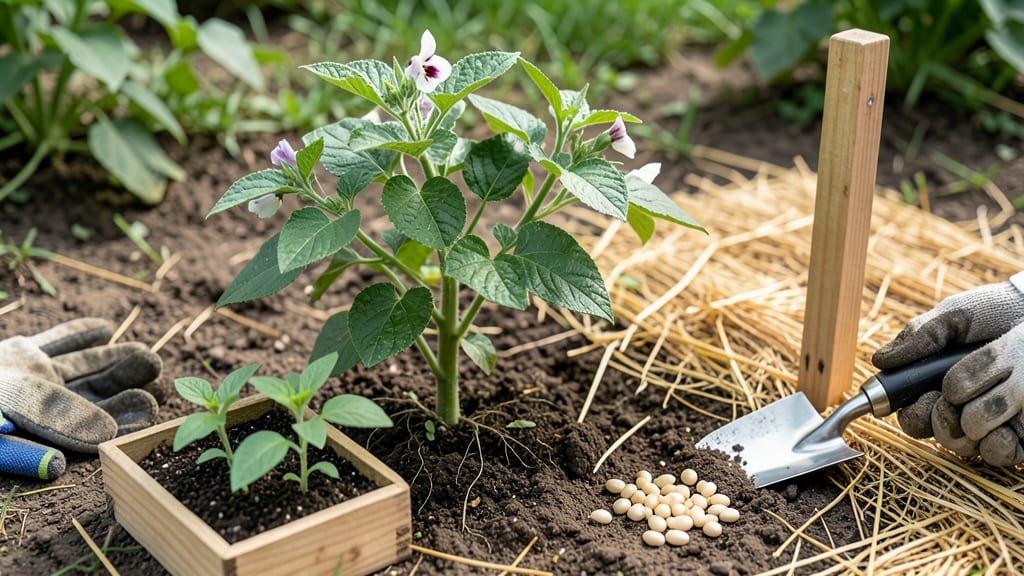
Timing your Beans planting in Zone 5 could mean the difference between a bountiful harvest and a sad, wilted garden fail. With just 165 frost-free days to work with, getting those seeds in the ground at the perfect moment is everything.
Most gardeners in Zone 5 know the basics—wait until after the last frost, usually around May 15—but what if I told you there’s a two-week window where planting actually gives you the best shot at success?
That’s right: between April 15 and June 1, soil temperatures and daylight all align for optimal growth.
But here’s the catch: not all beans are created equal. Pole beans need more time to climb, while bush varieties mature faster. And if you’re smart, you’ll squeeze in a fall crop too—August through September can still yield a harvest before the first frost hits.
Ready to turn your Zone 5 garden into a bean bonanza? I’ll walk you through the exact timing, soil prep secrets, and even how to cheat the system with microclimates. Let’s get those 🌱 growing!
Optimal planting windows for beans in Zone 5 by variety type
In Zone 5, timing is everything when planting beans. The difference between a 60-day harvest and a stunted crop often comes down to planting at the right time for your specific variety.
With an average last frost date of May 15 and 165 frost-free days, you have two main windows: spring and fall. Let’s break down the best times for bush beans, pole beans, and runner beans.
For spring planting, aim to sow seeds 2-3 weeks after your last frost, when soil temperatures consistently reach 55°F or warmer.
This usually falls between April 15 and June 1 in most of Zone 5. Fall planting is equally important, offering a second harvest before the first frost. Start seeds in August 1 to September 15, giving them 60-70 days to mature before temperatures drop.
Here’s how to align your planting schedule with soil warmth, frost dates, and variety-specific needs for maximum success:
🌱 Bean Planting Schedule for Zone 5
| Variety | Spring Planting Window | Fall Planting Window | Soil Temp Requirement | Days to Harvest |
|---|---|---|---|---|
| Bush Beans | April 20 - May 15 | August 15 - September 1 | 55°F+ | 50-60 days |
| Pole Beans | May 1 - June 1 | August 1 - August 20 | 60°F+ | 60-70 days |
| Runner Beans | May 15 - June 1 | August 15 - September 1 | 65°F+ | 70-80 days |
💡 Pro Tip: Use a soil thermometer to confirm temperatures before planting. Beans won’t germinate well in cold soil!
If you’re planting bush beans, start earlier in the season—they mature faster and can handle slightly cooler soils. Pole beans and runner beans need warmer soil and a longer growing season, so wait until after the last frost and plant them closer to May 1 for spring or August 1 for fall.
For a continuous harvest, try succession planting every 2 weeks from May through July. This ensures you always have fresh beans ready to pick, even if your first planting gets hit by unexpected weather. Just remember: beans hate cold soil, so never plant them before the ground warms up!
Another key factor is light exposure. Beans need 6-8 hours of full sun daily, so choose a spot that gets morning sunlight and afternoon shade if your summers are hot. If you’re in a microclimate with less sun, opt for shorter varieties like bush beans.
Finally, if you’re worried about late frosts or early freezes, use row covers or cold frames to extend your season. These can add 2-4 extra weeks of growing time, giving your beans more time to mature. Just remove covers during the day to prevent overheating.
With these timing guidelines, you’ll avoid the common mistakes that lead to poor germination or stunted growth. Soon, you’ll be enjoying a bountiful bean harvest from both spring and fall plantings! 🌱
How microclimates in Zone 5 affect bean planting success
Zone 5’s variable climate means your bean planting success hinges on understanding microclimates. A sunny south-facing slope can be 2-3 weeks ahead of a low-lying garden, while urban heat islands trap warmth for late-season harvests.
These differences let you extend your growing season by 2-4 weeks with smart adjustments.
For example, urban gardens with concrete and pavement often stay warmer at night, allowing you to plant pole beans 2 weeks earlier than rural areas. Meanwhile, wind-exposed sites near open fields may need protective row covers to prevent stunted growth from cold snaps.
🌱
⚠️ Watch for False Springs
A warm April day doesn’t mean frost risk is gone. Zone 5’s late frosts can hit as late as May 15, so always check your local microclimate trends. Use a frost clock or plant cold-hardy varieties like ‘Kentucky Wonder’ pole beans if extending early.
To maximize your fall harvest, focus on south-facing beds that retain heat longer. These spots can support succession planting of bush beans every 2 weeks from June 15 to August 1, giving you pods until first frost.
For north-facing gardens, opt for fast-maturing varieties (50-55 days) like ‘Blue Lake’ to avoid late-season setbacks.
Protect young plants with floating row covers if your area has unpredictable cold snaps. These lightweight fabrics raise soil temps by 5-8°F, letting you plant 2 weeks earlier in spring or 2 weeks later in fall. Just remove covers during flowering to prevent cross-pollination issues.
For container gardening, place pots on heat-absorbing surfaces like dark-colored bricks or pavers. This trick adds 3-5°F of warmth, perfect for balconies or patios where microclimates differ drastically from ground level. Pair this with black plastic mulch to warm soil faster and delay first frost damage.
Always monitor soil temperature—beans need 55°F+ to germinate. Use a soil thermometer in multiple spots (sunny, shady, and average areas) to time plantings precisely. In Zone 5’s short season, every day counts!