
Plants
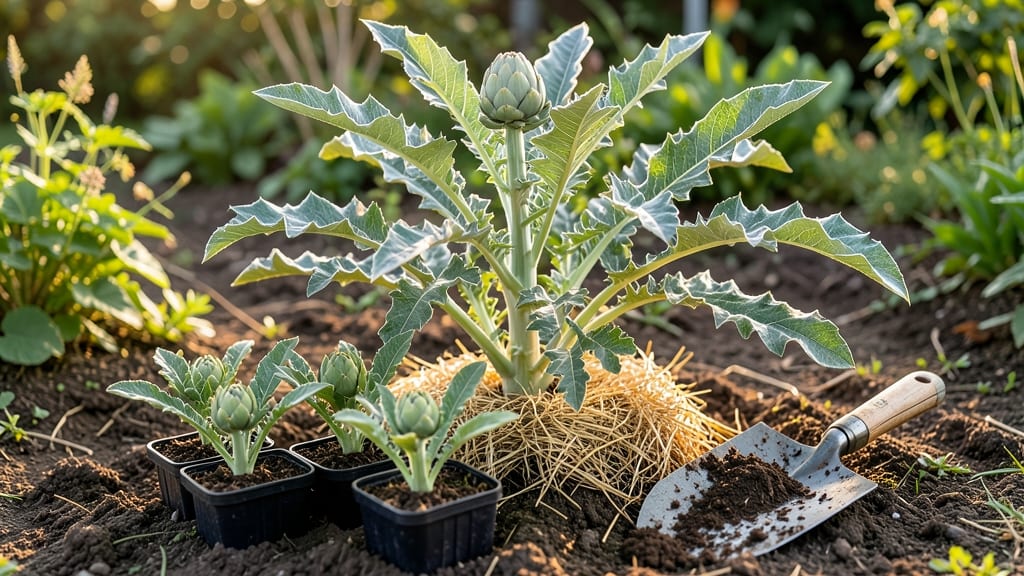
Timing your artichoke 🌱 planting in Arizona isn't just about the calendar—it's about outsmarting the desert's heat to avoid bolting and wasted effort.
The perfect window (November through February) gives these Mediterranean plants a fighting chance against Arizona's intense sun, but one wrong move could send them running to flower before you even get a harvest.
Most gardeners make the mistake of planting too late, thinking spring is the way to go. But in USDA Zone 9b, that's a recipe for heat stress and bitter disappointment.
The key is understanding how your microclimate—whether you're in Phoenix or Flagstaff—affects soil temperatures and when your artichokes can actually establish roots without bolting.
I've tested this myself, and what works in Tucson's 110°F summers looks completely different in the cooler high desert.
Let me show you exactly when to put those starts in the ground, which varieties handle Arizona's heat best, and how to prep your soil to give your plants the fighting chance they deserve.
By the end, you'll know not just when to plant, but how to protect your investment from the moment you stick that first tuber in the dirt. No more guessing games—just reliable, desert-proven artichoke growing.
Optimal Arizona artichoke planting windows to prevent bolting
Arizona’s USDA Zone 9b climate offers a narrow window for planting artichokes—typically between November and February—to avoid the desert’s 100°F+ heat that triggers premature bolting. Timing is critical because artichokes detest summer heat and will bolt (flower) instead of producing edible buds if planted too early or late.
In Phoenix and Tucson, where frost is rare, focus on planting between mid-November and mid-January for a spring harvest (April-June). Meanwhile, Flagstaff and northern Arizona gardeners can extend planting slightly later, up to early February, thanks to cooler nights and occasional frost risks.
Artichokes thrive when soil temperatures stay between 60°F and 75°F. Planting in fall or winter ensures cooler soil temps, reducing stress and bolting. If you miss this window, your plants may struggle to establish roots before the heat arrives.
Here’s the key rule: Plant 4-6 weeks before your last expected frost (though frost is rare in most of Arizona). For Phoenix, aim for November 15–December 15, while Tucson’s slightly warmer microclimate allows planting until January 15.
| Region | Best Planting Window | Soil Temp Goal | Harvest Window |
|---|---|---|---|
| Phoenix/Scottsdale | November 15–December 15 | 60°F–70°F | April–May |
| Tucson | December 1–January 15 | 65°F–75°F | May–June |
| Flagstaff/Northern AZ | October 15–February 1 | 55°F–65°F | May–July |
The Green Globe variety, a heat-tolerant artichoke, can handle slightly warmer soil temps (up to 75°F), making it ideal for Tucson’s extended window. Meanwhile, Imperial Star, a classic globe artichoke, prefers cooler soil and is better suited for Phoenix or Flagstaff plantings.
If you’re in elevated areas like Sedona or Prescott, where nights dip below 40°F, consider using row covers or cold frames to protect young plants. These tools can extend your planting window by 2–4 weeks without risking frost damage.
Avoid planting artichokes in March or later, as soil temps will likely exceed 80°F, causing plants to bolt before producing harvestable buds. Instead, focus on fall planting for a spring harvest, or opt for container growing to move plants indoors during summer.
Pro tip: Use a soil thermometer to monitor temps before planting. Aim for consistent 60°F+ readings at a 4-inch depth—this ensures roots establish before heat stress sets in. 🌱
Optimal Arizona artichoke planting windows to prevent bolting
Arizona’s desert climate demands precision when planting artichokes. Unlike cooler regions, summer heat triggers premature bolting—when plants flower instead of producing edible buds. To avoid this, focus on fall and winter planting, when soil temps stay below 75°F and days are shorter.
In Phoenix and Tucson, aim for November to February plantings. These months align with cooler nights and lower evaporation rates, giving young plants time to establish roots before Arizona’s 100°F+ summers arrive. Northern Arizona (e.g., Flagstaff) can extend planting into early March due to cooler microclimates.
| Region | Best Planting Window | Soil Temp Threshold | Key Variety |
|---|---|---|---|
| Phoenix/Scottsdale | November 1 – January 31 | Below 70°F | Green Globe |
| Tucson | October 15 – February 15 | Below 75°F | Imperial Star |
| Flagstaff | September 15 – March 15 | Below 65°F | Romanesco |
For container gardening, start seeds indoors 8–10 weeks before your target outdoor planting date. Use biodegradable pots to minimize transplant shock when moving to well-draining soil mixed with compost. This head start helps offset Arizona’s short growing season for cool-season crops.
Timing is everything: Plant too early, and cold snaps (rare but possible in December) can stunt growth. Plant too late, and heat stress forces bolting. Test soil temps with a thermometer—ideal ranges are 60–70°F for germination and 70–75°F for establishment.
Pro tip: Use shade cloth (30–50%) during spring transitions (March–April) to protect maturing plants as temps rise. This buys 2–4 extra weeks of harvestable buds before summer shutdown.
Remember, artichokes are biennials—planting in fall ensures first-year buds form before summer dormancy. Save seeds from your best performers for next year’s adjusted schedule!