
Planting
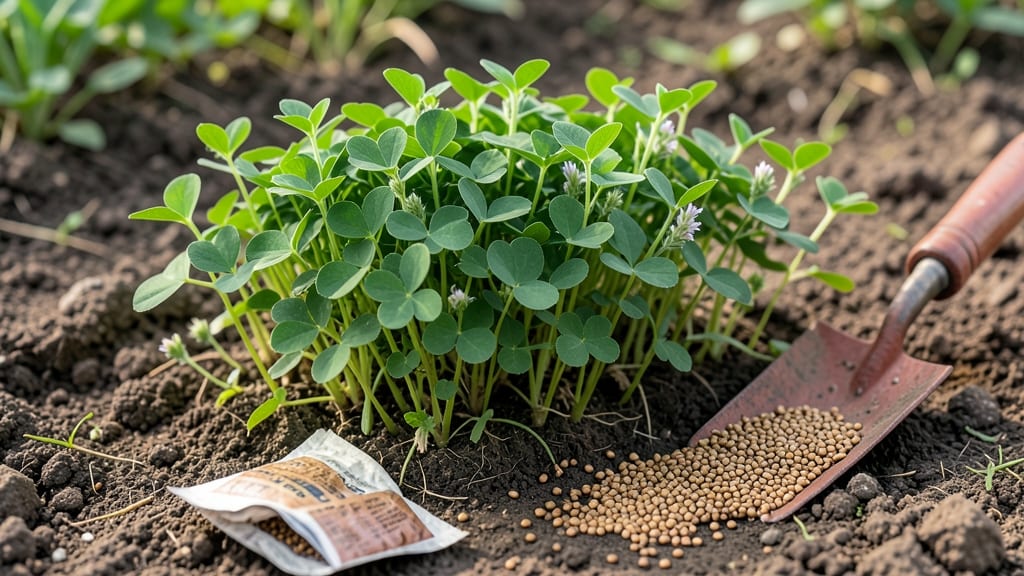
Planting alfalfa in the fall might seem counterintuitive, but it’s actually the smartest move for establishing this hardy perennial before winter. The key is timing—get it right, and you’ll have a thriving crop ready to boost your soil fertility next spring.
For most gardeners in Zone 6a, the ideal window is 4-6 weeks before your first frost, typically late summer to early fall. This gives alfalfa seedlings enough time to develop strong roots before the ground freezes, setting them up for success in the following growing season.
Why does this matter? Fall-planted alfalfa often outperforms spring plantings because it avoids summer heat stress and establishes itself early. Plus, it’s a great cover crop that fixes nitrogen in the soil, making it a win-win for your garden.
In this guide, I’ll walk you through the exact steps—from choosing cold-hardy varieties to preparing your soil and protecting young plants from frost. Let’s get your alfalfa off to the best possible start! 🌱
The 6-Week pre-frost window: exact fall planting dates by USDA Zone
Alfalfa thrives when planted 4-6 weeks before your first frost date, giving seedlings time to establish roots before winter. In USDA Zones 3-7, this window typically falls between mid-August and early October, but exact timing depends on your local frost calendar.
Check the National Oceanic and Atmospheric Administration (NOAA) frost maps to pinpoint your region’s average first frost date—this is your planting deadline.
For example, gardeners in Zone 5 (like Chicago or Denver) should aim for a September 1-15 planting window, while those in Zone 8 (like Los Angeles) can plant as late as mid-October. Soil temperatures must stay between 40-70°F for germination—use a soil thermometer to confirm readiness before sowing.
Pro tip: Plant alfalfa in late summer to early fall to avoid weed competition. Weeds grow aggressively when soil is warm, but alfalfa’s slow start means they’ll outcompete your seedlings if planted too early.
⚠️ Critical rule: Never plant alfalfa less than 4 weeks before frost. Seedlings won’t develop strong roots, and winter kill becomes inevitable. Use this 6-week buffer as your non-negotiable guideline.
🌱 Did You Know? Alfalfa’s deep taproot system (up to 10 feet long) makes it drought-tolerant once established—but young plants need consistent moisture to grow roots before winter. Prioritize deep watering (1-2 inches per week) during the first 4 weeks after planting.
| USDA Zone | Ideal Planting Window | Soil Temp for Germination | Key Consideration |
|---|---|---|---|
| Zones 3-4 (e.g., Minneapolis, Montreal) | August 15–September 15 | 50–65°F | Short growing season; use row covers for frost protection |
| Zones 5-6 (e.g., Chicago, Denver) | September 1–15 | 45–60°F | Moderate climate; aim for 6 weeks before first frost |
| Zones 7-8 (e.g., Dallas, Los Angeles) | September 15–October 15 | 50–70°F | Longer window; monitor soil moisture |
| Zones 9-10 (e.g., Phoenix, San Diego) | October 1–November 1 | 55–65°F | Mild winters; plant later but avoid frost |
Alfalfa seeds germinate best in warm soil, but young plants can tolerate light frosts once established. If your area has unpredictable fall weather, opt for cold-hardy varieties like ‘Moapa’ or ‘Ladak’—these handle 20°F temperatures without dying back.
Always plant seeds ¼ inch deep in loose, well-drained soil to prevent rot.
After sowing, mulch with straw or shredded leaves to insulate roots and retain moisture. This 3-inch layer acts as a natural frost blanket, protecting seedlings during temperature swings. Remove mulch in early spring to avoid smothering regrowth.
For container gardening, use deep pots (at least 12 inches tall) to accommodate alfalfa’s taproot. Plant in well-draining potting mix and move containers to a sheltered location if frost threatens. Containers warm up faster in spring, giving alfalfa a head start.
🌿 Remember: Fall-planted alfalfa won’t produce forage until next spring, but its deep roots break up compacted soil and fix nitrogen—making it a powerhouse cover crop for future gardens. Even if you don’t harvest, the soil benefits are worth the effort!
The 6-Week pre-frost window: exact fall planting dates by USDA Zone
Planting alfalfa in fall gives it a head start before spring growth, but the 6-week pre-frost window is critical. Seeds need 40-70°F soil to germinate, so timing depends on your USDA zone and first frost date. Check your local NOAA frost calendar—this is your planting deadline.
For most regions, aim to sow alfalfa 4-6 weeks before ground freezes. In Zone 5-7, this means mid-September to early October. Zones 3-4 should plant by late August to avoid early frosts. Late plantings risk seedling death before roots establish.
Use this simple formula to calculate your window: First frost date – 6 weeks = last planting day. For example, if frost hits November 15, plant by October 1. Pro tip: Test soil warmth—if it’s below 40°F, wait.
| USDA Zone | Ideal Planting Window | Soil Temp Requirement | Notes |
|---|---|---|---|
| Zones 3-4 | Late August – Early September | 45-60°F | Use row covers for frost protection |
| Zones 5-6 | Mid-September – Early October | 50-65°F | Best for overwintering success |
| Zones 7-8 | Late September – Mid-October | 55-70°F | Later plantings may not establish roots |
After planting, monitor seedlings for 2-3 weeks to ensure they’re 1-2 inches tall before winter. If frost threatens, apply straw mulch (3-4 inches) to insulate roots. In Zone 9-10, fall planting is risky—opt for spring instead.
Once established, alfalfa’s deep roots break up compacted soil and fix nitrogen, making it a powerhouse cover crop. For best results, till in spring before new growth begins. This gives you fertile soil without spring planting delays.