
Plants
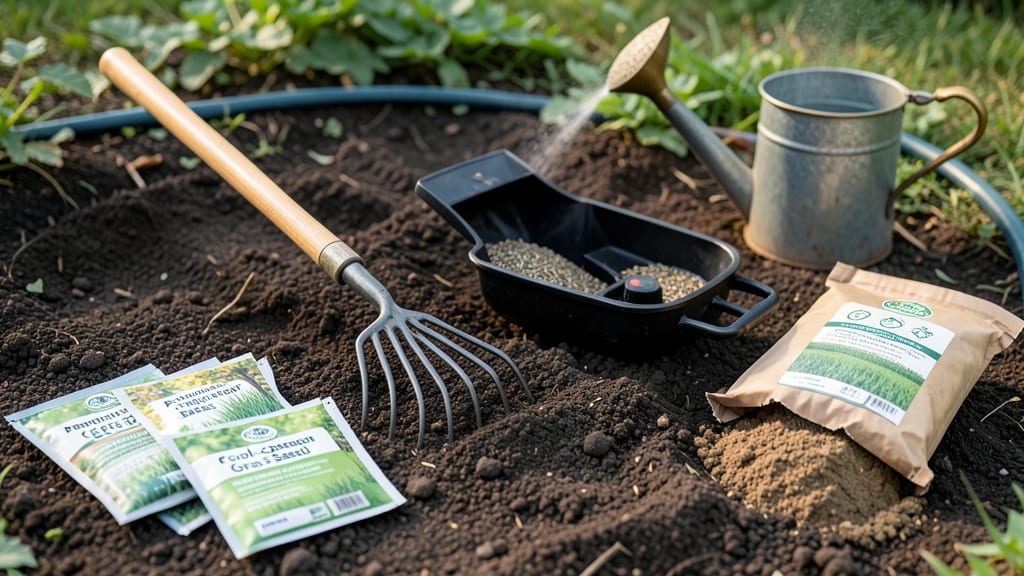
If you’ve ever stared at a patchy lawn and wondered when is the best time to plant grass seed in Pennsylvania, timing is the key.
The ideal window isn’t just about picking a month—it’s about aligning with your region’s climate, frost dates, and soil conditions to give your lawn the fighting chance it deserves.
Pennsylvania’s 5a-7a zones mean cool-season grasses like Kentucky bluegrass and tall fescue thrive when planted during two critical windows: late summer to early fall (September–October) or early spring (March–April).
These periods offer the perfect balance of warm soil, cooler air, and fewer weeds, setting the stage for a thick, green carpet instead of a weed-infested battlefield.
But here’s the catch: planting too early or too late can leave your seed vulnerable to drought, frost, or even hungry birds.
I’ll break down exactly when to plant in your specific corner of PA—whether you’re in the cooler 5a zones or the milder 7a areas—plus the exact steps to prep your soil for success.
Ready to transform your lawn from a struggle into a showpiece? Let’s dive into the best strategies for Pennsylvania’s climate, so you can finally enjoy that lush, weed-resistant yard you’ve been dreaming of.
Ideal Pennsylvania planting windows: cool-season grass seed timing explained
Pennsylvania’s cool-season climate makes fall and early spring the perfect times to plant grass seed. Unlike warm-season grasses, Kentucky bluegrass, tall fescue, and perennial ryegrass thrive when soil temperatures dip below 80°F. This timing avoids summer heat stress and gives seeds a head start before winter dormancy.
For most of Pennsylvania (USDA zones 5a–7a), the ideal planting window spans September to October for fall and March to April for spring. These periods align with soil moisture levels and moderate temperatures, which are critical for germination and root establishment.
Northern PA (zones 5a–6a) may shift planting slightly earlier—late August to early September—to avoid early frosts, while southern PA (zones 6b–7a) can extend fall planting to mid-October. Always aim to plant 4–6 weeks before the first frost for optimal success.
Soil temperature is your best guide: seeds germinate best when soil is between 60–75°F. Use a soil thermometer to monitor—if temps rise above 80°F, germination slows dramatically. Pennsylvania’s fall rainfall patterns also favor seed-to-soil contact, reducing erosion risks.
Cool-season grasses like tall fescue (drought-tolerant) and perennial ryegrass (fast germinating) perform best when planted in these windows. Avoid summer planting—high heat and drought stress seeds before they establish roots.
Here’s how Pennsylvania’s climate zones influence timing:
| Zone | Best Planting Window | Soil Temp Range | Key Consideration |
|---|---|---|---|
| 5a (Northern PA) | Late August–Early September | 60–70°F | Early frost risk; prioritize seed-to-soil contact |
| 6a (Central PA) | September–October | 65–75°F | Balanced rainfall; ideal for tall fescue |
| 7a (Southern PA) | Mid-September–Mid-October | 70–78°F | Warmer soils; extend window to late October |
🌱 Pro Tip: Check your local USDA Plant Hardiness Zone for precise frost dates.
Spring planting in Pennsylvania works best after the last frost date (typically mid-April in most zones). Early spring seeds may still face chilly nights, but soil warmth improves as April progresses.
For fastest germination, choose perennial ryegrass mixes, which sprout in 5–10 days compared to 14–21 days for Kentucky bluegrass.
Timing isn’t just about months—it’s about weather patterns. Pennsylvania’s fall rains help seeds stay moist, while spring showers prevent crusting. Avoid planting during prolonged dry spells or heavy downpours, which can wash seeds away or cause erosion.
If you miss the ideal windows, late fall planting (November) can still work in milder zones (6b–7a), but cover seeds with straw mulch to protect against early frosts. Spring’s second chance arrives in May, though germination may slow as summer heat approaches.
For a thick, weed-resistant lawn, combine proper timing with soil prep and consistent watering. The right window ensures your grass outcompetes weeds before they take hold—making your effort pay off in vibrant green coverage by next summer.
Ideal Pennsylvania planting windows: cool-season grass seed timing explained
Pennsylvania’s cool-season climate makes fall and early spring the perfect windows for planting grass seed. Unlike warm-season grasses, cool-season varieties like Kentucky bluegrass and tall fescue thrive when soil temperatures hover between 60°F and 75°F. This ideal range occurs twice a year, creating two prime planting opportunities.
For most of Pennsylvania’s USDA zones 5a-7a, the best time to plant grass seed is late summer to early fall (typically September through October). This timing allows seeds to germinate before fall frost arrives, giving roots time to establish before winter dormancy.
Early spring (March to April) is the second-best window, once soil warms and last frost dates have passed.
Soil temperature is your best indicator—use a soil thermometer to confirm it’s between 55°F and 65°F before planting. In northern PA (Zone 5a), aim for September 15–October 15, while southern PA (Zone 7a) can extend planting until early November if conditions permit.
🌱 Pennsylvania Grass Seed Planting Windows
| Season | Best Months | Soil Temp Range | Key Considerations |
|---|---|---|---|
| Fall | September–October | 55°F–65°F | 4–6 weeks before first frost; avoid planting too late (weeds compete). |
| Spring | March–April | 50°F–60°F | After last frost; soil must be workable (not muddy). |
⚠️ Pro Tip: Northern PA (Zone 5a) has a shorter growing season—prioritize fall planting for best results.
While fall is ideal, early spring planting works well if you miss the fall window. The key is to plant after the last frost (typically mid-April in southern PA and early May in northern PA) and before summer heat arrives.
Spring planting requires consistent moisture to prevent seeds from drying out as temperatures rise.
Regional variations matter—southern PA’s warmer microclimates (like Philadelphia) can extend fall planting until November 1, while northern PA’s colder zones (like Erie) may need to finish by mid-October. Always check your local USDA frost map for precise timing.
For best germination rates, align planting with Pennsylvania’s natural rainfall patterns. Fall planting benefits from cooler temps and steady rain, while spring planting may require supplemental watering if drought conditions arrive early. Plan ahead to avoid stressing young grass seedlings.