
Plants
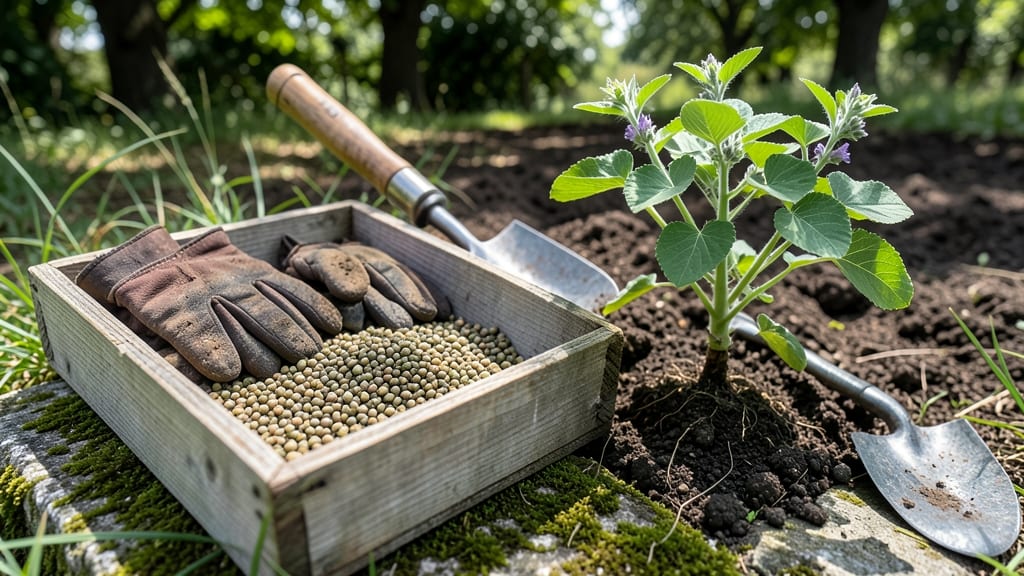
If you're planting alfalfa in Indiana, getting the timing right is the key to unlocking its full potential. This hardy 🌱 crop thrives when planted during Indiana's ideal windows—early spring or late summer—but one wrong move can mean wasted seeds and poor yields.
Indiana's USDA Zone 6a climate creates perfect conditions for alfalfa, but understanding when to plant makes all the difference. Whether you're a seasoned farmer or a backyard gardener, knowing the best months to sow seeds can mean the difference between a lush harvest and disappointment.
In this guide, I'll walk you through the best planting windows for Indiana—from early spring to late summer—and share expert tips to ensure your alfalfa thrives. We'll also cover soil prep, frost considerations, and regional variations so you can get the best results every time.
Ready to grow alfalfa like a pro? Let's dive into the easiest way to time your planting for maximum success in Indiana's unique climate.
Optimal planting windows for alfalfa in Indiana’s climate zones
Alfalfa thrives in Indiana’s USDA Zones 5-6, but planting it at the wrong time can lead to poor germination or even total failure. The key is understanding Indiana’s two ideal planting windows: early spring and late summer.
Both require careful timing to align with soil temperatures and frost patterns unique to the region.
For spring planting, aim for March to early April—just after the last average frost date. Southern Indiana (Zone 6) can plant slightly earlier, while northern areas (Zone 5) should wait until mid-April. This timing ensures seeds germinate in 50-60°F soil, the sweet spot for alfalfa sprouts.
Alternatively, late summer/fall planting works best from mid-August to early September. This window allows seedlings to establish roots before winter dormancy. However, avoid planting too close to the first frost (typically mid-October in Indiana), as young plants won’t survive freezing temperatures.
Indiana’s climate varies dramatically between its northern and southern regions. In northern Indiana (Zone 5), frost lingers longer, so spring planting should wait until after April 15. Meanwhile, southern Indiana (Zone 6) can start as early as late March, giving seeds a head start in warmer soils.
| Planting Window | Best Months | Soil Temp Requirement | Frost Risk | Indiana-Specific Tip |
|---|---|---|---|---|
| Early Spring | March–Early April | 50–60°F | Low (post-last frost) | Zone 6: Start by March 20; Zone 5: Wait until April 15. |
| Late Summer/Fall | Mid-August–Early September | 60–70°F | Moderate (avoid frost) | Plant 6–8 weeks before first frost for root establishment. |
Alfalfa seeds need consistent moisture to germinate, so plan planting after a 1-inch rain or irrigate immediately afterward. In Indiana’s dry spells, drip irrigation keeps soil evenly moist without washing seeds away. Avoid planting during prolonged wet periods, as waterlogged soil can suffocate seeds.
For best results, prepare your soil 4–6 weeks before planting. Alfalfa prefers well-draining, slightly alkaline soil (pH 6.5–7.5). Work in 2–3 inches of compost and a balanced fertilizer (10-20-10) to give seedlings a nutrient boost. Test your soil’s pH using kits from Purdue Extension for localized adjustments.
Indiana’s northern counties (e.g., Lake, Porter) often face colder soils in spring, delaying germination. If planting in early March, use a seed warming mat or cover seeds with black plastic mulch to raise soil temperature by 5–10°F.
Southern Indiana (e.g., Vanderburgh, Gibson) can skip this step due to earlier warming.
After sowing, maintain even moisture until seedlings reach 3–4 inches tall. Thinning is critical—space plants 6–8 inches apart to prevent competition. In Indiana’s humid summers, mulch with straw or wood chips to retain moisture and suppress weeds, which can outcompete young alfalfa.
Remember: Alfalfa is a perennial with a 3–5 year lifespan. Proper spring or fall planting ensures it establishes deep roots, making it drought-resistant once mature. With the right timing, Indiana’s climate becomes an asset rather than a challenge for this hardy forage crop.
How Indiana’s frost dates affect alfalfa germination success
Indiana’s frost dates are the single biggest factor in alfalfa germination success. Unlike warm-season crops, alfalfa thrives when planted in cool soil—typically between 40°F and 60°F. Southern Indiana’s last frost usually arrives by April 15, while northern regions like Fort Wayne often wait until May 1.
Planting too early risks frost damage, but waiting too late means summer heat stress.
Alfalfa seeds need consistent moisture and stable temperatures to germinate. If you plant in March, monitor nighttime temps—even a 28°F dip can kill young seedlings. For fall planting (August-September), aim for soil temps below 75°F to avoid heat shock.
Here’s how to use USDA frost maps to time your planting:
- Check your local frost date averages (Purdue Extension has county-specific data).
- Plant 3–4 weeks before the last frost for spring, or 6–8 weeks before the first frost for fall.
📋 Indiana Frost Timing Guide
- Southern IN (Zone 6b): Last frost April 15 → Plant by March 15 (spring) or August 15 (fall)
- Northern IN (Zone 5b): Last frost May 1 → Plant by April 1 (spring) or August 1 (fall)
- Adjust for variability: Add 1–2 weeks if your area had late frosts in prior years
- Soil temp check: Use a soil thermometer—wait until temps stabilize above 50°F
For fall planting, seeds need 30–60 days of cool weather to establish roots before winter. If you’re in Zone 5b, September planting gives roots time to harden off before October 15 frost. In Zone 6b, late August works better to avoid early fall heat.
Pro tip: Use row covers for 2–3 weeks after planting to protect seedlings from unexpected late frosts. This buys you a 10–14 day buffer without risking heat stress in summer.
Remember, alfalfa’s first-year growth is slow—don’t rush planting. Patience here means healthier stands and higher yields in years 2–3. Start small with a test plot to refine your timing before scaling up.