
Planting
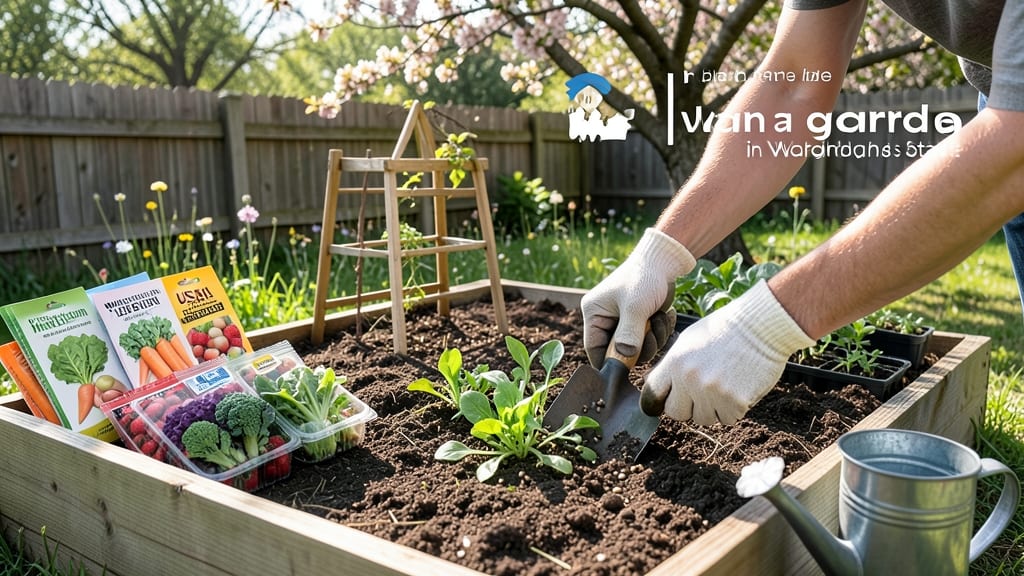
If you’ve ever watched your General Garden Plants 🌱 wilt because you planted them too early—or bolt before bearing fruit—you know timing is everything in Washington State’s garden.
The perfect planting window here isn’t one-size-fits-all: coastal Seattle’s damp springs clash with Eastern WA’s dry heat, and a single frost date chart won’t cut it.
Here’s the game-changer: Western WA gardeners can start cool-season crops like peas and lettuce as early as late March, while Eastern WA’s last frost lingers until June 1. Even within regions, microclimates—like urban heat islands or sheltered valleys—shift your schedule by weeks.
I’ll break down exactly when to plant for your zone, so you avoid the 3 most common mistakes that kill Washington gardens.
Whether you’re dreaming of juicy tomatoes or fragrant lavender, the right timing means the difference between a bountiful harvest and a sad, half-grown plant. Let’s dive into the science behind Washington’s planting calendar—so you can finally stop guessing and start growing with confidence.
From frost-free dates to soil temperature tricks, you’ll learn how to align your planting with nature’s rhythm. No more wasted seeds or disappointed dreams—just a garden that thrives, no matter where you live in the Evergreen State.
Washington State planting zones: coastal vs inland timing for vegetables & flowers
Washington State’s gardening success starts with understanding its USDA Hardiness Zones 7b-9a along the coast and 5b-7a inland. These zones dictate when to plant, with last frost dates varying dramatically between Seattle’s mild climate and Spokane’s colder springs.
Coastal areas like Olympia typically see their last frost by mid-April, while inland regions like Yakima often wait until early June. This difference can mean the gap between a thriving garden and a failed crop.
Your planting window isn’t just about zones—it’s about microclimates. Urban heat islands in Seattle can push frost dates back by weeks, while mountain valleys in Eastern WA may experience unexpected late frosts. Even a 5-mile elevation change can shift your frost date by 1-2 weeks.
For example, Mount Rainier’s foothills might have a last frost in late May, while nearby lowlands could be frost-free by April.
Here’s the critical data you need to plan your garden, broken down by region and crop type. Use this as your planting timeline cheat sheet to avoid common mistakes like planting warm-season crops too early or cool-season crops too late.
| Region | USDA Zone | Last Frost Date | First Frost Date | Best Planting Window | Key Crops |
|---|---|---|---|---|---|
| Coastal (Seattle, Olympia) | 7b-9a | Mid-April | Mid-October | Late March - Early June | Tomatoes, Peppers, Kale, Carrots |
| Puget Sound (Tacoma, Bremerton) | 7b-8a | Late April | Late October | Late March - Early June | Lettuce, Spinach, Beans, Zucchini |
| Inland (Spokane, Yakima) | 5b-7a | Early June | Mid-September | Late April - Early July | Potatoes, Onions, Peas, Corn |
| Mountain Valleys (Leavenworth, Wenatchee) | 6a-7a | Late May | Early October | Early June - Mid-July | Peppers, Eggplant, Basil |
If you’re gardening in Western Washington, you can often start cool-season crops like peas or spinach as early as late February under row covers, while warm-season crops like tomatoes and peppers should wait until after mid-April.
In Eastern Washington, where frosts linger longer, hold off on planting tomatoes until early June—otherwise, they’ll bolt (flower prematurely) before producing fruit.
One of my biggest mistakes early on was planting marigolds in late May in Spokane. By June, the heat had them wilting before they even bloomed. Now, I adjust my schedule based on soil temperature (aim for 50°F or warmer for most seeds) and local frost alerts.
Tools like the National Weather Service’s frost prediction maps or apps like PlantNet can give you real-time updates tailored to your ZIP code.
For flowers, timing is equally critical. Annuals like zinnias thrive when planted in late spring, while perennials like lavender should go in the ground in early fall to establish roots before winter.
Even bulbs have specific windows—tulips need to be in the soil by October, while daffodils can wait until November. Misjudge these, and you’ll end up with half-hearted blooms or no flowers at all.
Don’t overlook succession planting—a technique that lets you stretch your harvest season. For example, in Western WA, you can plant bush beans every 2-3 weeks from April through June to enjoy fresh pods all summer.
Meanwhile, in Eastern WA, where the season is shorter, focus on fast-maturing varieties like ‘Early Girl’ tomatoes or ‘Sugar Ann’ peas to maximize your yield before the first frost.
Pro tip: Use mulch (straw or wood chips) to insulate soil and keep it warm longer in spring. This can push your planting window 1-2 weeks earlier for heat-loving crops like cucumbers or squash. Just avoid piling mulch directly against plant stems to prevent rot.
Best months to plant by crop type: cool-season vs warm-season scheduling
Washington State’s diverse climate means your planting calendar should adapt to cool-season and warm-season crops. In Western WA (Zones 7b-9a), you can start cool crops as early as late February, while Eastern WA (Zones 5b-7a) waits until mid-April to avoid frost.
Warm-season plants like tomatoes and peppers need to wait until soil warms to 55°F+, typically late May-June in most regions.
For cool-season crops—think kale, peas, and carrots—plant in early spring (March-April) or late summer (August-September) for a fall harvest. These plants thrive in 50-65°F soil and can handle light frosts.
In coastal WA, you might even squeeze in a winter crop of spinach or lettuce if protected.
Warm-season crops like tomatoes, beans, and squash demand consistent warmth. Start seeds indoors in March-April and transplant after your last frost date—usually mid-May in Eastern WA and early April in Western WA.
If you’re in a short-season zone (e.g., Spokane), opt for fast-maturing varieties like ‘Early Girl’ tomatoes or ‘Bush Blue Lake’ beans.
- Late February-March: Start cool-season seeds indoors (e.g., broccoli, onions) or direct-sow hardy greens like spinach in Western WA.
- Mid-April: Transplant cool-season starts outdoors; direct-sow peas and carrots in all regions.
- May-June: Plant warm-season crops (e.g., tomatoes, peppers) after last frost; start fall squash seeds.
- July-August: Succession plant warm crops like beans or basil; direct-sow cool-season crops for fall harvest.
- September: Plant garlic and onion sets for next year; extend season with row covers.
Succession planting is your secret weapon for year-round harvests. In Western WA’s longer growing season, you can stagger plantings of lettuce or radishes every 2-3 weeks from spring to fall. In Eastern WA, focus on fast-growing crops like bush beans or zucchini to maximize short seasons.
For example, plant bush beans in late May and again in early July for a double harvest.
Don’t overlook perennials and berries! In Western WA (Zones 8-9), you can plant strawberries or asparagus in early spring or fall. In cooler Eastern WA (Zones 5-7), wait until late spring to avoid frost damage.
Mulch heavily after planting to protect roots during WA’s unpredictable fall frosts.
Pro tip: Use frost dates as your guide, but also watch soil temperature. A soil thermometer is worth its weight in gold—most seeds need 40-50°F for cool crops and 60-70°F for warm ones.
If your soil is too cold, seeds may rot instead of sprout. In dry inland areas, water beds 24 hours before planting to help seeds germinate in warmer, drier soil. 🌱