
Plants
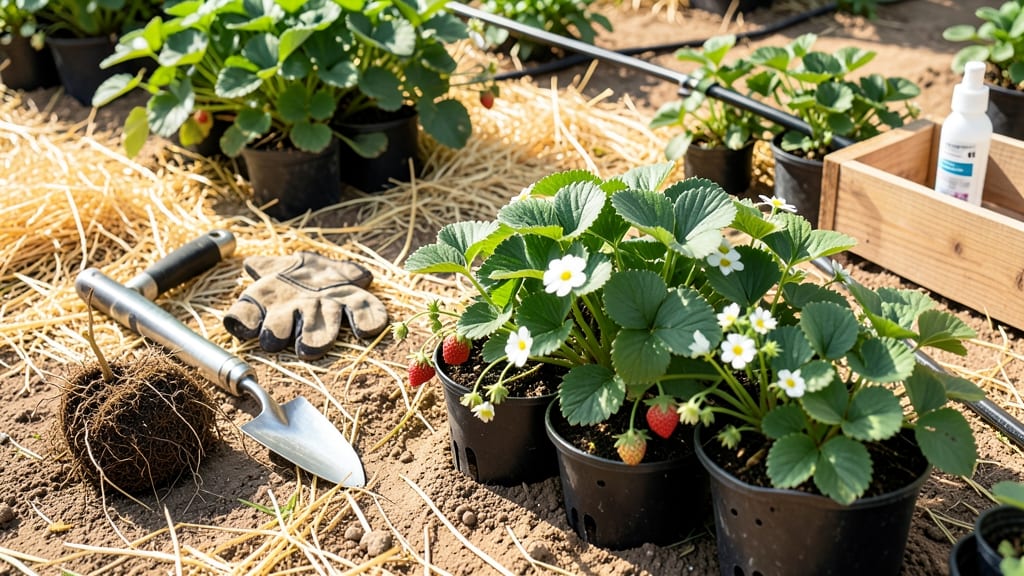
Optimal Florida strawberry planting calendar: coastal vs inland timing differences
Florida’s frost-free climate means you can grow strawberries almost year-round, but timing matters more than you might think. The coastal and inland regions have different microclimates—humid, warm coastal areas vs. hotter, drier inland zones—that drastically affect root establishment and fruit production.
Planting at the wrong time can lead to heat stress, pests, or even failed crops. Let’s break down the best months for each region.
For coastal Florida (including Miami, Tampa, and Fort Myers), the ideal planting window is September through November and again in January through February. The cooler, slightly drier air helps roots establish before summer’s humidity sets in.
Inland areas (like Orlando, Gainesville, and Ocala) benefit from October through December and February through March plantings, avoiding the extreme heat of summer.
Here’s the key difference: coastal strawberries thrive with fall/winter plantings because the mild temperatures reduce disease pressure and pest attacks. Inland growers can push slightly later into early spring, but summer planting is risky for both regions due to heat stress and fruit rot.
🌱
📅 Florida Strawberry Planting Calendar
| Month | Coastal Florida | Inland Florida | Notes |
|---|---|---|---|
| September | ✅ Best | ✅ Good | Warm soil, lower humidity |
| October | ✅ Best | ✅ Best | Ideal root establishment |
| November | ✅ Best | ✅ Best | Cooler temps, less pest pressure |
| December | ⚠️ Possible | ✅ Good | Inland cooler; coastal may need shade |
| January | ✅ Best | ✅ Best | Perfect for coastal; inland can push later |
| February | ✅ Best | ⚠️ Possible | Inland heat builds; coastal still mild |
| March | ❌ Avoid | ❌ Avoid | Heat stress risk for both regions |
| April - August | ❌ Avoid | ❌ Avoid | Extreme heat; high disease risk |
🌡️ Pro Tip: Use shade cloth if planting in late winter/early spring to protect young plants from sudden heat spikes.
If you’re in North Florida (like Jacksonville or Tallahassee), you might experience rare light frosts in winter. In these areas, plant in late winter (February-March) to avoid cold snaps.
For South Florida, you can even experiment with summer plantings—but only with heat-tolerant varieties like Chandler or Camarosa, and provide afternoon shade.
One of my biggest mistakes was planting strawberries in June—the plants survived, but the fruit was tiny and spoiled quickly due to humidity. The lesson? Timing is everything. Even in Florida’s warm climate, strawberries need a cool recovery period after planting to establish roots before fruiting.
For container growing, the rules are slightly different. Potted strawberries can handle slightly later plantings (up to April in coastal areas) because you control the soil temperature and watering. Just ensure your containers have drainage holes and use a lightweight potting mix to prevent root rot.
Ready to plant? Grab your bare-root plants or container-grown strawberries and follow this schedule. Your first harvest could be as early as February if you time it right!
🌱
Optimal Florida strawberry planting calendar: coastal vs inland timing differences
Florida’s unique climate creates two distinct growing zones for strawberries: coastal humidity and inland dry heat. While both regions enjoy frost-free winters, their temperature fluctuations and humidity levels demand different planting strategies.
Coastal areas stay warmer year-round, while inland zones experience cooler winters and hotter summers—both critical factors for root establishment and fruit production.
For coastal Florida (including Miami, Tampa, and Fort Myers), the best planting window spans from August through November, with peak success in September and October. The slightly cooler temperatures and higher humidity create ideal conditions for young plants to establish roots before summer’s intense heat returns.
Inland areas, like Orlando and Gainesville, benefit from planting in October through December, aligning with the natural cooler winter months that reduce stress on transplants.
Here’s how the two regions differ month-by-month:
| Month | Coastal Florida | Inland Florida | Key Consideration |
|---|---|---|---|
| August | ✅ Ideal (humidity helps root growth) | ⚠️ Possible (but monitor for heat stress) | High humidity reduces transplant shock. |
| September | ⭐ Best Month (mild temps, low pests) | ✅ Good (cooler evenings aid establishment) | Avoid summer heat; aim for 70–80°F soil temps. |
| October | ✅ Excellent (optimal root growth) | ⭐ Best Month (cooler nights, lower humidity) | Inland benefits from drier air; reduces fungal risks. |
| November | ✅ Still Viable (winter harvest possible) | ✅ Good (winter harvest window opens) | Plant early varieties for February–March harvests. |
| December–February | ❌ Avoid (high humidity = disease risk) | ✅ Possible (cooler temps reduce stress) | Inland areas can plant for spring harvests; coastal areas risk rot. |
| March–May | ⚠️ Risky (heat stress, pests) | ⚠️ Risky (summer planting = poor yields) | Only plant heat-tolerant varieties (e.g., Chandler) with shade cloth. |
If you’re in North Florida (e.g., Jacksonville or Tallahassee), treat your climate like inland Florida but extend planting into early December for a spring harvest.
The key is to avoid planting when daytime temperatures exceed 90°F, as this causes heat stress and blossom drop, leading to poor fruit set. For coastal gardeners, focus on shade protection during summer months to prevent sunscald on leaves and fruit.
Pro tip: Use soil thermometers to monitor temperatures—ideal planting soil should be between 60–75°F. If your soil runs hotter, wait until evening temps drop below 85°F before transplanting. This small adjustment can mean the difference between a thriving patch and a failed crop.
For year-round success, align your planting with Florida’s natural rainfall patterns. Coastal areas get consistent rain, while inland zones may need supplemental irrigation. Always mulch with 2–3 inches of straw to retain moisture and regulate soil temperature—this is non-negotiable in Florida’s climate.