
Plants
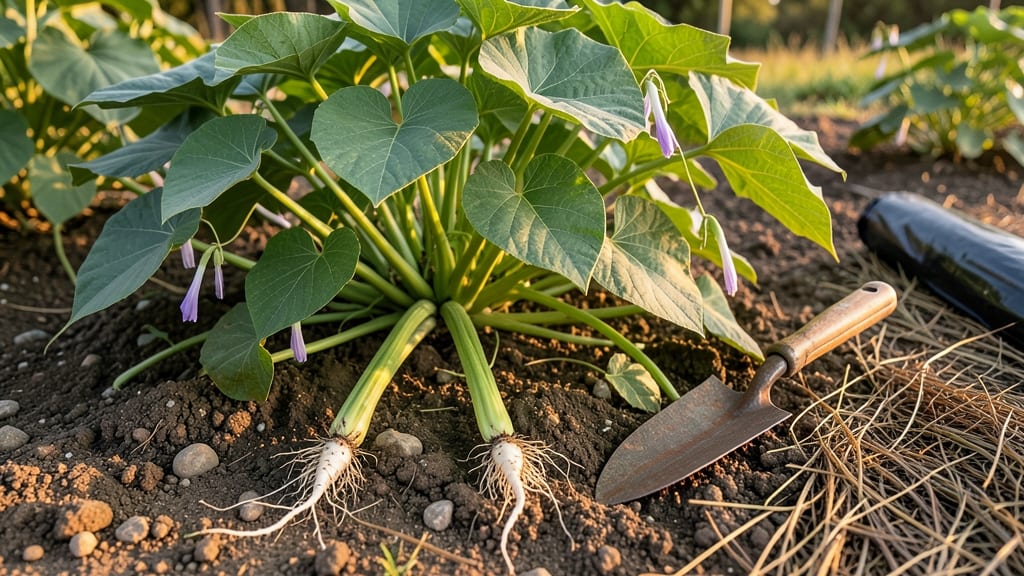
Florida sweet potato planting calendar: exact months by region (north vs. central vs. south)
Florida’s climate varies dramatically from the Panhandle’s cooler springs to South Florida’s year-round warmth, so timing is everything. Unlike northern states, Florida gardeners can plant sweet potatoes twice a year—spring and early summer—thanks to its frost-free growing season. The key? Soil temperature, not air temperature, determines success.
Most Florida gardeners focus on March through June for spring plantings, with a second window in July and August for early summer harvests. However, your exact planting date depends on whether you’re in North Florida’s cooler zones, Central Florida’s transitional climate, or South Florida’s tropical heat.
Let’s break it down by region to avoid common mistakes like wilting slips or disease-prone vines.
🍠
| Region | Best Planting Months | Soil Temp Goal (°F) | Key Microclimate Note | Harvest Window |
|---|---|---|---|---|
| North Florida (Panhandle) | April–May July–August |
65–75°F | Warmer soil in raised beds needed; avoid coastal winds that dry slips. | October–December |
| Central Florida (Orlando/Tampa) | March–June July |
68–72°F | Urban areas stay 5–10°F warmer than rural; use black plastic mulch for faster warming. | September–November |
| South Florida (Miami/Fort Lauderdale) | February–April July–August |
70–75°F | Humidity increases disease risk in summer; plant elevated beds for airflow. | October–December |
🌡️ Pro Tip: Use a soil thermometer to confirm warmth before planting slips!
If you’re planting sweet potato seeds (not slips), start them indoors 8–10 weeks before your region’s ideal outdoor planting date. Seeds need 75–85°F soil to germinate, so in North Florida, this means starting them in February for a spring transplant.
South Florida gardeners can direct-sow seeds as early as January, but expect slower growth in cooler winter months.
For slips (the young plants sold at nurseries), wait until soil reaches 65°F—this is non-negotiable. In Central Florida, this typically aligns with late March to early April, while South Florida slips can go in as early as February.
The mistake many make? Planting too early when soil is still cool, leading to stunted vines and poor tuber formation.
Another critical factor is humidity and rainfall. South Florida’s summer monsoons can drown slips, while North Florida’s dry springs may require drip irrigation. Adjust your planting timeline if your area is forecasted for heavy rains—delay by 2–3 weeks to avoid root rot.
🌱
For extended harvests, some Florida gardeners use a succession planting trick: plant slips every 2–3 weeks from March through June. This ensures a steady supply of sweet potatoes from October through December, when demand peaks for holiday meals.
Just be sure to mulch heavily to retain soil moisture during Florida’s hot, dry spells.
One final tip: If you’re in an urban heat island (like Orlando or Jacksonville), your soil may warm 1–2 weeks earlier than rural areas. Monitor your garden’s microclimate by checking soil temps in multiple spots—west-facing beds often warm fastest.
✂️
Soil temperature secrets: how to test warmth & avoid common planting mistakes
Sweet potatoes in Florida demand warm soil—ideally between 65–75°F—to thrive. Planting too early in cool soil stunts growth and invites disease risks like root rot.
Many gardeners mistakenly plant in February when soil temps still dip below 60°F, leading to poor yields. Let’s fix that with science-backed methods.
Use a soil thermometer (just $10 at garden centers) to check depth. Insert it 2–3 inches deep, where roots form. If readings are below 65°F, wait—even if air temps feel warm.
Florida’s sandy soils heat up faster than clay, but they also cool quickly after rain. Test morning temps for accuracy, as afternoon sun can skew readings.
Planting sweet potatoes in soil below 65°F causes:
- Stunted vines (growth halts for weeks)
- Root rot (fungal infections thrive in cold, wet soil)
- Poor tuber formation (small, misshapen sweet potatoes)
Need to warm up cold soil faster? Try these Florida-approved tricks: - Black plastic mulch: Lay sheets 2–3 weeks before planting to raise soil temps by 10–15°F.
Cut X’s for slips and plant through the plastic. - Clear plastic tunnels: Cover rows with 12" tall hoops and clear plastic to trap heat (great for Panhandle gardeners). - Compost piles: Spread 2–3 inches of compost over beds 1–2 weeks before planting to add organic heat.
Organic vs. synthetic soil warmers? Here’s the Florida breakdown: - Organic (compost/manure): Slower to heat (5–7 days) but improves soil long-term. Best for Central Florida’s sandy loam. - Synthetic (black plastic): Works in 2–3 days but requires removal post-harvest.
Ideal for South Florida’s quick-growing seasons.
Watch for these red flags after planting: - Yellowing leaves = soil too cold or overwatering. - Wilting by noon = roots aren’t establishing in warm soil. - Mold on soil surface = excess moisture from cool, damp conditions.
Adjust by mulching with straw (not leaves) to insulate roots while keeping soil warm.
Once soil hits 70–75°F, your slips will sprout in 7–10 days. Time it right, and you’ll harvest bountiful sweet potatoes by October—just in time for county fair ribbons! 🍠