
Plants
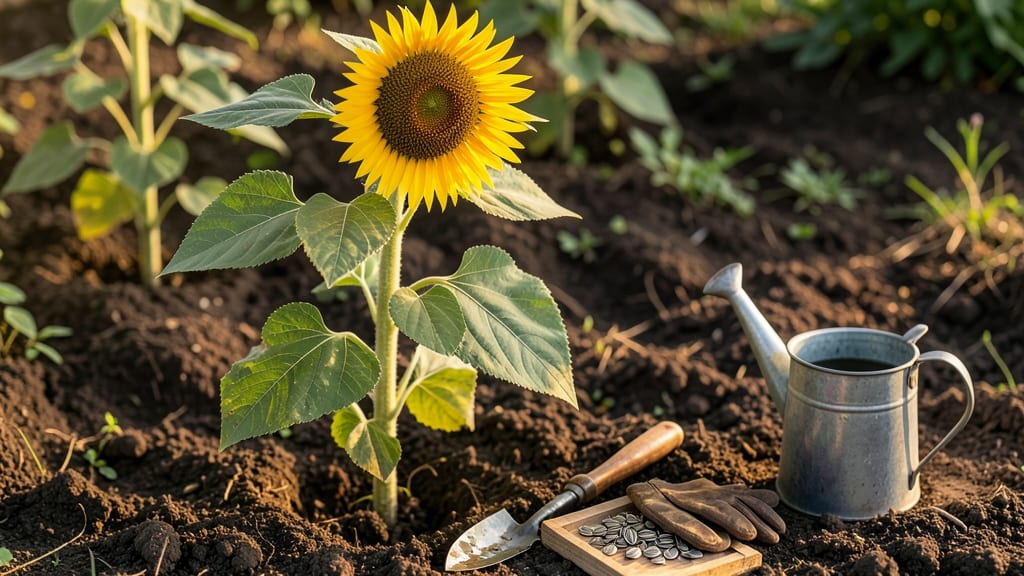
Planting sunflower seeds in Florida can feel like a high-stakes game—get the timing right, and you’ll be rewarded with towering 🌻 blooms reaching for the sky. But miss the window, and you might end up with leggy, weak stems struggling against the heat.
The key isn’t just about the calendar; it’s about understanding how Florida’s coastal breezes and inland heat zones create two very different growing environments.
Most gardeners assume spring is the only time to plant, but Florida’s frost-free growing season lets you try again in fall. Whether you’re in Zone 9a or 11, the right moment depends on soil temperature and humidity levels—coastal areas need earlier starts than inland spots.
I’ll break down the exact windows and why they matter so much for your sunflower’s success.
You might be surprised to learn that sunflowers planted in August can still thrive if you time it right, especially in South Florida. The trick is avoiding the brutal summer heat while giving them enough daylight to grow strong.
Let’s dive into the best strategies for both spring and fall planting, so you can enjoy those golden blooms all season long.
Ready to turn your Florida garden into a sunflower paradise? I’ll walk you through the critical steps—from soil prep to adjusting for regional microclimates—so you can plant with confidence. No more guesswork, just stunning results.
Best sunflower planting times in Florida by heat Zone (coastal vs inland)
Florida’s climate is a gardener’s dream for sunflowers—warm soil and long growing seasons mean fewer worries about frost. But timing matters! Plant too early, and coastal humidity can cause rot; too late, and you’ll miss the peak bloom before winter.
The key is understanding Florida’s three distinct heat zones: North (Zone 8a), Central (Zone 9a), and South (Zone 10a). Each has unique frost-free windows and soil temperature thresholds.
For North Florida (e.g., Jacksonville, Gainesville), where light frosts can still occur, aim for mid-March to early April for spring planting. The soil should reach at least 60°F (15°C)—use a soil thermometer to check!
In Central Florida (Orlando, Tampa), you’ve got a wider window: late February to mid-April. Meanwhile, South Florida (Miami, Fort Lauderdale) gardeners can start as early as January thanks to its frost-free year-round climate.
Here’s the critical detail: Sunflower seeds germinate best in 70-85°F (21-29°C) soil. In Florida’s heat zones, this typically aligns with March-April for spring and August-September for fall plantings. Fall is a hidden gem—avoiding summer’s peak heat while still giving you autumn blooms before cooler weather sets in.
🌱
| Heat Zone | Frost-Free Window | Best Planting Months | Soil Temp Threshold | Coastal Considerations |
|---|---|---|---|---|
| North Florida (Zone 8a) | Mid-March to early December | March-April (spring) / August-Sept (fall) | 60°F (15°C) minimum | Humidity risks; use raised beds |
| Central Florida (Zone 9a) | Year-round (rare frost) | February-April (spring) / August-Sept (fall) | 65°F (18°C) minimum | Salt spray near coast; mulch heavily |
| South Florida (Zone 10a) | Year-round (no frost) | January-February (spring) / August-Sept (fall) | 70°F (21°C) minimum | Hurricane prep; plant after June 1 |
If you’re in coastal areas, pay extra attention to salt spray and wind exposure. Sunflowers near the beach may need staking or windbreaks to prevent toppling. Inland areas, like the Florida Panhandle, can experience hotter, drier conditions, so prioritize well-draining soil and regular watering during establishment.
Pro tip: Use black plastic mulch to warm soil faster in North Florida or shade cloth (30%) in South Florida to protect seedlings from intense afternoon sun. Both tricks can shave 1-2 weeks off your growing season!
For fall plantings, aim for late August to early September across all zones. This gives sunflowers time to establish roots before cooler weather slows growth. In South Florida, you can even squeeze in a winter crop (October-November) for holiday-season blooms!
Remember: Sunflowers are annuals in Florida, meaning they complete their life cycle in one season. Planting at the right time ensures you get those iconic 10-foot-tall blooms before the first frost—though in most of Florida, frost is more of a rare visitor than a rule.
🌻
How to adjust sunflower planting for Florida’s unpredictable weather patterns
Florida’s weather throws curveballs—humid coastal breezes, sudden tropical storms, and scorching inland heatwaves can derail even the best-laid sunflower planting plans. The key to success? Flexibility and preparation.
I’ve learned that coastal areas (like Zone 10a) face higher humidity and salty soil risks, while inland zones (like Zone 8a) battle intense afternoon heat and drought stress. Adjusting your approach based on your microclimate makes all the difference.
Start by testing your soil’s drainage. Sunflowers hate soggy roots, and Florida’s clay-heavy soils (common in Central Florida) can trap moisture. Amend with compost or sand to improve airflow, especially in low-lying coastal areas where water pools after storms.
A simple percolation test—dig a 12-inch hole, fill with water, and time how long it drains—will save you from waterlogged seedlings.
For coastal gardeners, shade cloth (30-50%) is your best friend during summer’s peak heat.
I’ve seen sunflower seedlings bolt prematurely when exposed to direct midday sun above 90°F. Install lightweight shade cloth over young plants until they’re 6 inches tall, then gradually remove it to harden them off. This mimics Florida’s partial shade in hurricane-prone months (June-November).
Inland growers face the opposite challenge: intense afternoon sun and dry winds. Mulch heavily with straw or wood chips to retain moisture and regulate soil temperature.
I’ve had success with drip irrigation on timers, delivering 1-2 inches of water weekly—but never water at night to avoid fungal diseases like powdery mildew, which thrives in Florida’s humidity. Early morning watering (before 8 AM) is ideal.
Florida’s hurricane season (June-November) demands extra caution. If you’ve planted late-season sunflowers (August-September), stake tall varieties (like ‘Russian Giant’) to prevent wind damage. I’ve seen 12-foot stalks snap in 70 mph winds
For coastal gardens, consider shorter varieties (like ‘Teddy Bear’) that won’t topple easily. Always monitor hurricane forecasts and have row covers ready to protect young plants. Extend your sunflower season with successive planting. Instead of one big batch, sow seeds every 2-3 weeks from February to April (spring) or August to September (fall). This ensures continuous blooms and spreads risk if unpredictable weather wipes out one batch. For example, plant early varieties (like ‘ProCut’) in February for summer harvests, then follow with heat-tolerant types (like ‘Moulin Rouge’) in August for fall color. Here’s my pre-planting