
Plants
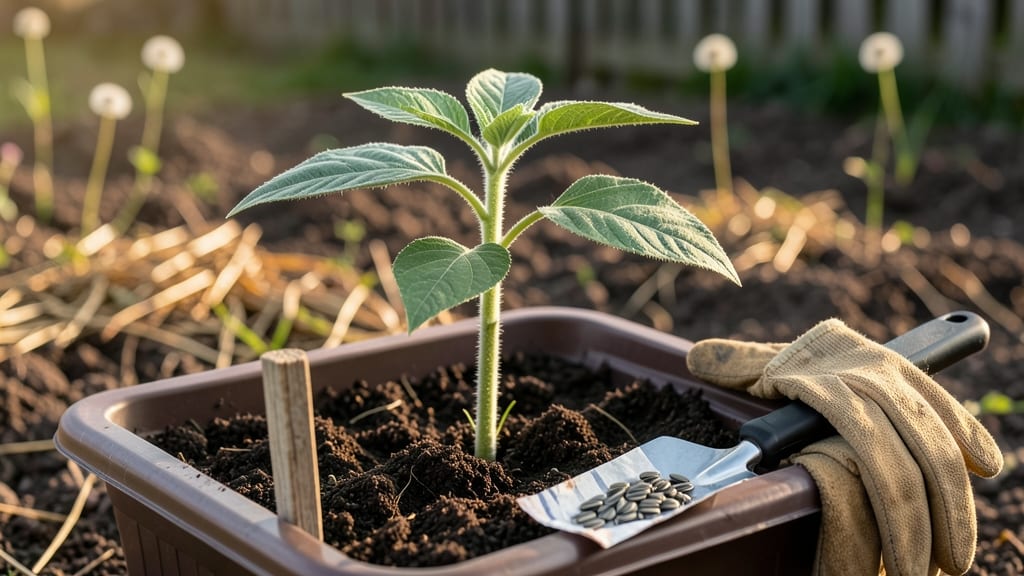
If you've ever stared at your Michigan garden calendar wondering when to plant sunflower seeds in your zone, you're not alone. The key to those towering 🌻 sunflowers you dream of lies in nailing the timing—especially when late frosts can sneak up even after Memorial Day.
Michigan's 5b-6b climate means your planting window is tighter than you think. We're talking late April to mid-June for most regions, but soil temperature matters more than the calendar date. Cold soil? Your seeds will sulk. Too early? Frost will turn your hopeful sprouts into sad, blackened memories.
I'll show you exactly how to read Michigan's weather patterns, from checking soil warmth to adjusting for your specific corner of the state. Whether you're growing 4-foot dwarf varieties for cut flowers or 16-foot giants for shade, these timing tricks will have you harvesting by summer.
Ready to skip the guesswork? Let's break down the perfect planting schedule so your sunflowers get the head start they deserve—no frost surprises included.
Michigan sunflower planting dates by soil temperature & frost risk
Sunflowers thrive in Michigan’s USDA zones 5b-6b, but their planting window hinges on two critical factors: soil temperature and last-frost dates. Unlike heat-loving plants, sunflower seeds need consistent warmth—aim for 60-70°F soil temps—to sprout reliably.
In Michigan, this typically aligns with late April to early June, but regional microclimates shift those dates by weeks.
Southern Michigan (e.g., Detroit, Ann Arbor) often sees warmer soils 2-3 weeks earlier than northern areas (e.g., Traverse City, Marquette). For example, Detroit’s average last frost is April 15, while Marquette’s lingers until May 10.
Planting too soon risks frost damage to tender seedlings, while waiting too long may yield shorter stems before Michigan’s first frost in mid-October.
Use a soil thermometer to verify warmth—sunflowers won’t germinate below 55°F. In cooler years, opt for cold-hardy varieties like ‘Autumn Beauty’ or ‘Moulin Rouge,’ which tolerate briefer growing seasons. These varieties mature in 80-90 days, leaving time for seeds to develop before frost.
Here’s how Michigan’s three main regions differ in planting windows:
| Region | USDA Zone | Last Frost Date | Ideal Planting Window | Soil Temp Goal | Notes |
|---|---|---|---|---|---|
| Southern Michigan | 6a-6b | April 15 | Late April–Early May | 60–70°F | Longer season; try tall varieties like ‘Russian Giant’ (120+ days). |
| Central Michigan | 5b-6a | May 1 | Early–Mid May | 60–70°F | Moderate risk of late frosts; use row covers if needed. |
| Northern Michigan | 4b-5b | May 10 | Mid–Late May | 65–70°F | Shortest season; prioritize dwarf/semi-dwarf varieties (e.g., ‘Teddy Bear’). |
🌱 Pro Tip: Check Michigan State University’s frost date maps for your exact location.
If you’re in a high-risk frost zone (e.g., Upper Peninsula), consider staggered planting: sow a few seeds every 10 days from late May through early June.
This extends your harvest window and hedges against late frosts. For container gardening, use black pots to absorb and retain heat—critical for northern Michigan’s cooler soils.
Even with perfect timing, soil prep is non-negotiable. Sunflowers despise waterlogged clay, common in Michigan’s USDA zone 5b regions. Amend heavy soil with compost or sand to improve drainage. Test your soil’s pH—sunflowers prefer 6.0-7.5, and Michigan’s native soils often skew acidic.
For edible sunflower varieties (e.g., ‘Russian Mammoth’), aim to plant by June 1 in northern Michigan to ensure seeds mature before frost. These varieties need 100-120 days to reach harvest, cutting your buffer time. In contrast, decorative sunflowers like ‘ProCut’ (60-day varieties) offer flexibility for later plantings.
Monitor your local extended forecast in the weeks leading up to planting. A 5-day stretch of 70°F+ days in May signals it’s safe to direct-sow. Use a clear plastic tunnel or row covers to protect seedlings if nighttime temps dip below 50°F.
These tools can push your planting window 2 weeks earlier in marginal zones.
Remember: Sunflowers are resilient, but Michigan’s climate demands precision. By aligning
Step-by-step sunflower planting timeline for Michigan gardens
Michigan’s short growing season demands precise timing for sunflower success. Start by checking your last frost date—typically mid-April in southern Michigan but late May in the Upper Peninsula. Use this timeline to align your planting with Michigan’s climate quirks, ensuring robust seedlings before summer heat arrives.
For early blooms, begin with indoor starts 2-3 weeks before your last frost. Use biodegradable pots and sow seeds ½ inch deep in well-draining seed mix.
Keep them under grow lights (12-16 hours/day) until soil warms to 55°F+. This head start helps compensate for Michigan’s cool springs.
🌱
🌱 Michigan Sunflower Planting Timeline
- 🌡️ Test soil temperature: Use a soil thermometer—wait until it reaches 60°F+ for direct sowing.
- 🌱 Choose varieties: Opt for early-maturing types (e.g., 'Autumn Beauty' or 'Moulin Rouge') for Michigan’s short season.
- 🪴 Prepare beds: Amend clay-heavy soils with compost to improve drainage.
- 🌱 Sow seeds: Plant 1 inch deep, 6-12 inches apart in rows 18-24 inches apart.
- 💧 Water deeply: Keep soil moist but not soggy until germination (7-14 days).
- ✂️ Thin seedlings: Once 2-3 inches tall, thin to 12-24 inches apart for strong stems.
- ☀️ Ensure full sun: Sunflowers need 6+ hours daily—watch for late-season shade from trees.
- 💧 Water at base: Apply 1-2 gallons per plant weekly, focusing on root zones to prevent mildew.
- 🌿 Fertilize lightly: Use 10-10-10 fertilizer once when plants reach 1 foot tall.
For northern Michigan (USDA zones 5a-4b), delay planting until after May 15 to avoid late frosts. In southern Michigan, you can start as early as late April, but monitor soil temperatures closely—seeds won’t sprout below 55°F.
Use black plastic mulch to warm soil faster if needed.
Remember, sunflowers are drought-tolerant once established, but Michigan’s summer heat waves can stress young plants. Mulch around stems to retain moisture and protect roots from temperature swings. With this timeline, you’ll have towering blooms by July or August, just in time for Michigan’s golden summer light.
🌻