
Plants
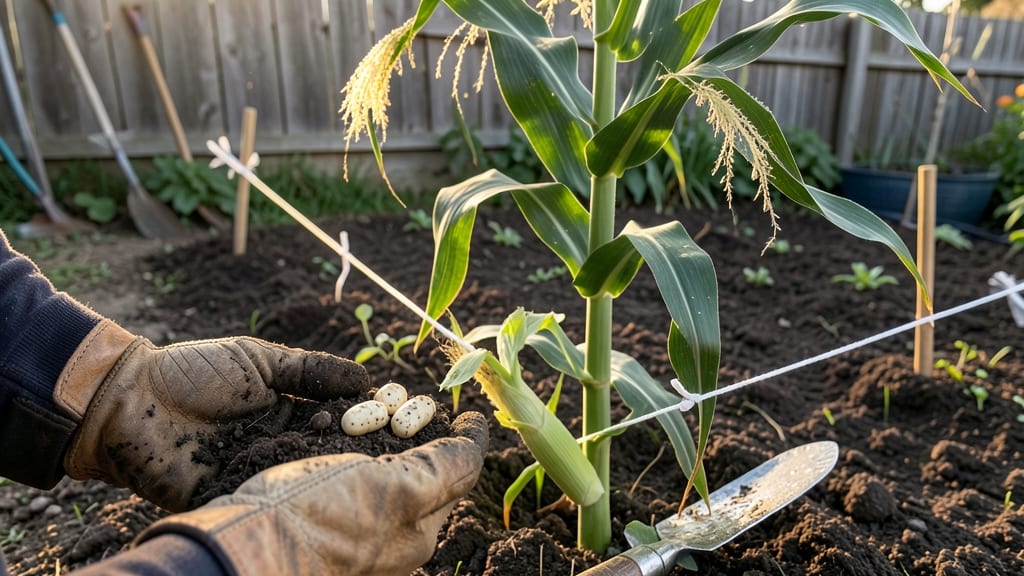
Timing your 🌽 corn planting in Western Washington isn’t just about the calendar—it’s about beating the region’s stubborn coastal chill and unpredictable frost dates. If you plant too early, those tender seedlings will shiver away before they even get a chance to grow.
But get it right, and you’ll be rewarded with towering stalks and sweet, plump ears by summer.
Here’s the kicker: Western Washington’s USDA Zones 8a-9a might sound mild, but coastal areas near the Puget Sound can stay chilly well into May, while inland spots warm up faster. That’s why late April to mid-May is your sweet spot—but soil temperature (not just air temp) is the real game-changer.
We’ll break down exactly how to read those signs and adjust for your microclimate.
Let’s cut through the guesswork. You’ll learn how to use soil thermometers, when to trust those frost alerts (spoiler: they’re not always reliable), and which corn varieties thrive in this tricky climate.
Whether you’re a first-time gardener or a seasoned green thumb, these tips will help you avoid the heartbreak of bolted plants or half-grown ears.
Ready to turn your garden into a cornucopia? By the end of this guide, you’ll know exactly when to drop those seeds—and how to give your 🌽 corn the best shot at success in Western Washington’s fickle spring. Let’s get growing!
Optimal corn planting dates in Western Washington’s microclimates
Western Washington’s diverse microclimates mean your corn planting window can vary by 50 miles. Coastal areas like Olympia and Seattle stay cooler longer, while inland zones near Yakima warm up faster. Understanding these differences is key to avoiding late frosts or stunted growth.
For sweet corn, aim to plant between late April and mid-May—this gives you 120-150 frost-free days before the first fall frost (typically mid-October). Field corn and popcorn varieties need even more time, so start them 2-3 weeks earlier if your season is short.
Here’s how to adjust your planting timeline based on your local microclimate:
| Microclimate | Last Frost Date | Optimal Planting Window | Heat Units Needed | Best Varieties |
|---|---|---|---|---|
| Coastal (Seattle, Olympia) | April 25–May 10 | May 1–May 15 | 1,200–1,500°F | Golden Bantam, Country Gentleman |
| Puget Sound (Tacoma, Bremerton) | April 15–April 30 | April 25–May 10 | 1,300–1,600°F | Ambrosia, Peaches & Cream |
| Inland (Yakima, Wenatchee) | April 1–April 15 | April 15–April 30 | 1,500–1,800°F | Silver Queen, Bodacious |
Use a soil thermometer to confirm soil temperatures are above 60°F before planting—cold soil delays germination. Coastal areas often need black plastic mulch to warm the soil faster, while inland zones may benefit from shade cloth during heatwaves to protect tender seedlings.
Pro tip: Plant succession crops every 2 weeks from late April to early June. This stretches your harvest window and reduces the risk of losing everything to a single late frost or pest outbreak.
For greenhouse growers, you can start seeds indoors in March and transplant outdoors after the last frost. Just be prepared to harden off seedlings gradually to avoid transplant shock in Western Washington’s cool, damp springs.
If you’re unsure about your local frost dates, check the NOAA frost probability maps or join your local Master Gardener chapter—they track microclimate shifts year to year. These resources can save you from wasted seeds and frustrating failures.
Remember: Corn is wind-pollinated, so plant in blocks (not rows) to ensure good pollination. A 4x4 ft block of 4 plants is ideal for home gardens. This also makes it easier to spot pests like corn earworms early.
🌽
How to time corn planting for Western Washington’s unpredictable frost
Western Washington’s coastal fog and late spring frosts can sabotage corn crops if you’re not prepared. Unlike warmer climates, our USDA Zone 8-9 areas often see frost well into May, especially near Puget Sound. The key? Planting when soil temperatures are stable and using backup strategies for those chilly surprises.
First, check your local frost dates—they vary wildly. Coastal areas like Olympia or Bellingham may have frost until early May, while inland spots like Yakima might be frost-free by mid-April.
Always wait until 2 weeks after the last frost to plant, but don’t delay too long—corn needs 90-120 frost-free days to mature.
If frost warnings appear after planting, act fast! Corn seedlings can’t survive below 32°F. Use row covers or cloche tunnels to protect young plants. For extra insurance, plant a second batch 2 weeks later—this staggered approach maximizes your harvest window.
Use a soil thermometer to confirm readiness—corn needs soil temps of at least 60°F for 10+ days. In cooler areas, black plastic mulch can raise soil temps by 5-10°F, giving you an earlier start.
For high-risk zones, consider cold-hardy varieties like 'Early Sunglow' (70-day maturity) or 'Golden Bantam' (80 days), which can tolerate lighter frosts better than standard types.
Monitor NOAA frost alerts and local garden networks (like WSU Extension) for real-time updates. If frost is predicted after planting, cover seedlings with lightweight row fabric or even old blankets.
Remove covers when temps rise to avoid overheating. Pro tip: Plant near windbreaks—corn stalks are tall and top-heavy, and coastal winds can snap them easily.
For late-season varieties, try a June planting in inland areas, but avoid this near the coast where summer fog can stunt growth. If you’re unsure, start seeds indoors in March under grow lights, then transplant hardened-off seedlings after the last frost.
This gives you a head start on the 180-day growing season Western Washington offers.
Remember: Patience pays off. Rushing into the garden too early risks frost damage, while waiting too long may leave you with underdeveloped ears. Use these strategies to outsmart Western Washington’s weather and enjoy homegrown corn from July through September! 🌽