
Planting
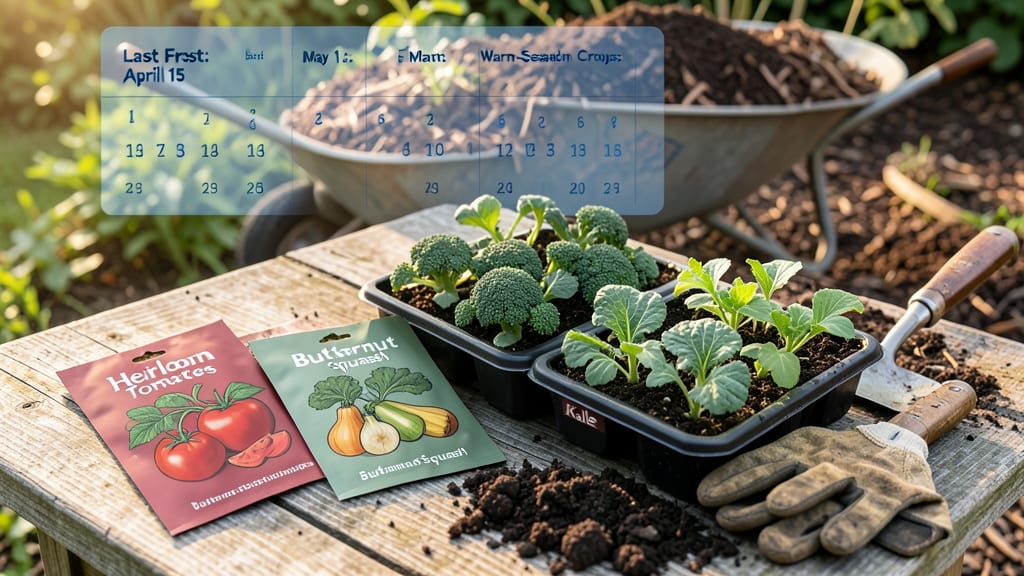
Timing when to plant a garden in Washington, DC can mean the difference between a bountiful harvest and a sad, wilted disappointment. With Zone 7b's unpredictable frosts and sweltering summers, knowing exactly when to plant isn't just helpful—it's essential for success.
I've spent years growing 🌱 in this climate, and the key is understanding DC's frost-free windows. Plant too early, and a late frost will zap your seedlings; too late, and your tomatoes will ripen just as the heat sets in.
Let me break down the exact months to start seeds, transplant seedlings, and extend your growing season—so you can enjoy fresh produce from spring through fall.
Whether you're a first-time gardener or a seasoned green thumb, this guide will help you align your planting schedule with DC's unique conditions. We'll cover everything from cool-season crops like kale to heat-loving peppers, plus how to adjust for microclimates in your neighborhood.
Ready to turn your backyard into a thriving General Vegetable Garden?
Here's what you'll discover: the precise frost-free deadlines for your area, how to work with Washington, DC's 180-day growing season, and pro tips for maximizing every square foot of your plot. Let's get those seeds in the ground at the perfect time!
Washington DC planting calendar: frost-free deadlines by season
Washington DC’s Zone 7a/7b climate offers gardeners a longer growing season than many northern regions, but precise timing is key. The average last frost date is around April 15, while the first frost typically arrives by November 15.
Use these deadlines to plan your cool-season and warm-season crops for maximum success.
Cool-season crops like kale, spinach, and peas thrive when planted 4-6 weeks before the last frost. Warm-season crops such as tomatoes, peppers, and beans need to wait until after the last frost when soil temperatures reach 60°F—usually mid-April to early May.
Spring planting kicks off in March for hardy greens and early April for frost-sensitive seedlings. Fall planting begins in late August for cool-season crops to harvest before winter sets in.
Here’s your month-by-month planting guide for DC’s climate, including frost-free windows and ideal transplant times for vegetables, herbs, and flowers.
| Season | Planting Window | Crops to Plant | Notes |
|---|---|---|---|
| Early Spring | Mid-March to April 15 | Peas, spinach, lettuce, kale | Hardy crops; protect with row covers if frost threatens. |
| Late Spring | April 15 to May 15 | Tomatoes, peppers, cucumbers, basil | Wait until soil is 60°F+; transplant seedlings. |
| Summer | May 15 to July 15 | Beans, squash, corn, herbs | Succession plant fast growers like radishes. |
| Early Fall | August 1 to September 15 | Broccoli, carrots, beets, arugula | Plant 6-8 weeks before first frost. |
| Late Fall | September 15 to October 15 | Spinach, radishes, garlic, onions | Cold-hardy crops for winter harvests. |
For herbs like basil and cilantro, plant in early spring (March-April) or late summer (August) to avoid bolting in DC’s heat. Perennials like asparagus and rhubarb should be planted in early spring or fall for establishment.
Pro tip: Use row covers or cold frames to extend your spring planting window by 2-3 weeks if late frosts occur. Monitor local frost alerts from the National Weather Service for real-time adjustments.
In summer, focus on heat-tolerant crops like okra, sweet potatoes, and eggplant. These thrive in DC’s humid heat and can be planted as late as June for a fall harvest.
Don’t forget succession planting! For crops like lettuce and radishes, sow new seeds every 2-3 weeks to ensure a continuous harvest. This works especially well in DC’s short but intense growing season.
By following this seasonal planting schedule, you’ll maximize your harvest potential while avoiding common pitfalls like frost damage or bolted greens. Happy planting! 🌱
How to adjust planting times for DC’s microclimates and unpredictable weather
Washington DC’s urban heat islands and elevation variations can shift your planting window by 2-3 weeks. Areas like Anacostia stay warmer longer, while Rock Creek Park may experience frost later. Always check local frost alerts—the National Weather Service provides real-time updates for DC’s Zone 7a/7b shifts.
Use row covers or cold frames to extend your spring planting by 3-4 weeks. These protect seedlings from late-spring frosts, which can hit as late as May 10 in some areas.
For fall crops, consider black plastic mulch to warm soil and push harvests into late October.
Urban gardens often face microclimate challenges like concrete heat absorption or shaded alleyways. Test your soil temperature with a thermometer—warm-season crops like tomatoes need soil at 60°F+ before planting. If your soil runs cold, opt for container gardening with heat-retaining pots.
🌱Pro Tip: Plant fast-maturing varieties (e.g., bush beans, radishes) in succession every 2 weeks to hedge against weather delays. This ensures a continuous harvest even if some plants fail.
🌿Warning: Avoid planting heat-sensitive crops like lettuce or spinach in July-August—DC’s summer heat (often 90°F+) causes bolting. Instead, save these for spring or fall when temperatures stay below 80°F.
For container gardens, adjust planting times by 1-2 weeks earlier—pots heat up faster than soil. Place containers near south-facing walls to maximize warmth. If using raised beds, add compost to improve heat retention and drainage.
Track your garden’s microclimate patterns for 2-3 years to refine your schedule. Note when frost hits, heat waves arrive, and rainfall shifts. This data helps you predict adjustments for future seasons—like planting cucumbers 1 week later if your yard stays cool.
✂️Key Adjustments: - Spring: Start indoor seedlings by February 15 for transplanting after April 15. - Fall: Plant cool-season crops by August 15 for harvest before November 15. - Urban Areas: Shift warm-season crops 1 week later if your yard runs cool.