
Planting
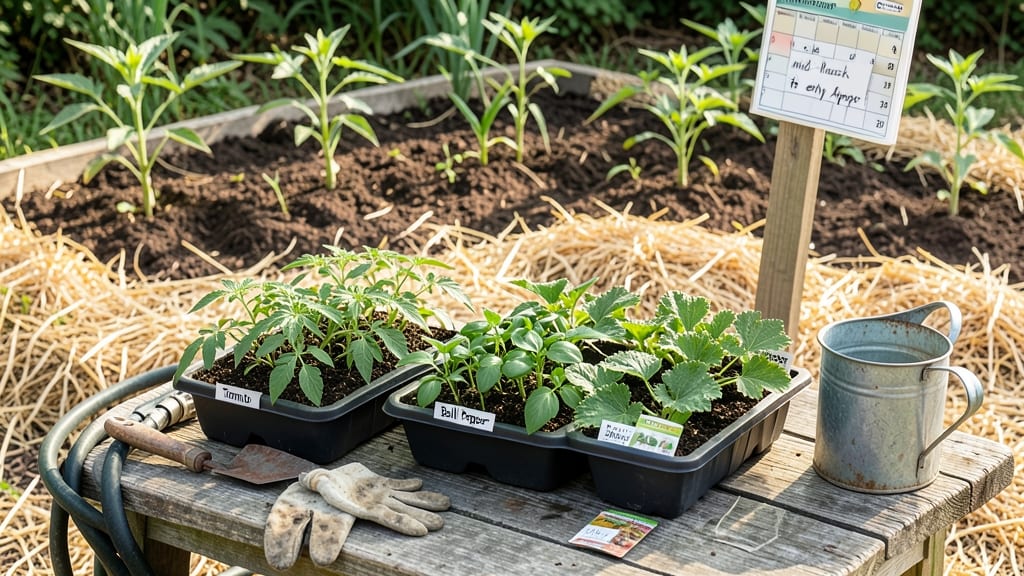
Getting your Arkansas garden just right starts with knowing when to plant a garden in Arkansas—because one wrong move could mean frost-bitten seedlings or missed harvests. With USDA Zones 7a and 7b, timing isn't just important; it's everything.
Whether you're dreaming of crisp spring lettuce or juicy summer tomatoes, planting too early or too late can throw off your entire growing season.
Let me show you the exact windows to plant your 🌱 General Garden for maximum success. We'll cover the critical last-frost dates (around March 15 for most of the state) and how to adjust for Arkansas's unique microclimates—from the cooler hills of the north to the warmer Delta regions.
No more guessing games or wasted seeds!
You'll discover how to stretch your growing season with smart techniques, like using row covers to protect early plants or planning heat-tolerant crops for summer.
Whether you're a first-time gardener or a seasoned green thumb, these insights will help you avoid common pitfalls and get the most out of your Arkansas garden.
Ready to turn your backyard into a thriving oasis? Let's dive into the month-by-month planting schedule that works for your zone, so you can enjoy fresh, homegrown goodness all season long.
Arkansas planting calendar by season: exact dates for zero frost risk
Arkansas's USDA Zones 7a and 7b create a unique challenge for gardeners. The last spring frost typically arrives between March 15 (northern Arkansas) and April 15 (southern regions), while the first fall frost usually hits around November 15. These dates define your planting windows for cool-season and warm-season crops.
Understanding these frost-free periods is critical. In Zone 7a, you have about 210 frost-free days, while Zone 7b enjoys slightly longer growing seasons. This means your spring planting must happen after the last frost, while fall planting should occur before the first frost to avoid damage.
Here's a quick reference for Arkansas gardeners: Cool-season crops like lettuce and peas thrive when planted 6-8 weeks before the last frost, while warm-season crops such as tomatoes and peppers need to wait until 2-3 weeks after the last frost to ensure soil temperatures are ideal.
Microclimates in Arkansas can shift these dates by 1-2 weeks. Urban areas may experience earlier frosts due to heat islands, while rural areas with elevation changes can have delayed frosts. Always monitor local weather forecasts and consider using frost-sensitive plants as indicators.
🌱 Arkansas Planting Timeline by Season
| Season | Planting Window | Key Crops | Notes |
|---|---|---|---|
| Early Spring | Feb 15 - Mar 15 | Peas, Spinach, Lettuce | Use row covers for frost protection |
| Late Spring | Mar 30 - Apr 15 | Tomatoes, Peppers, Cucumbers | Wait for soil temps >50°F |
| Summer | May 1 - Jun 15 | Okra, Sweet Potatoes, Southern Peas | Provide afternoon shade in Zone 7b |
| Early Fall | Aug 1 - Sep 15 | Radishes, Kale, Broccoli | Avoid planting too late for harvest |
For Zone 7a gardeners in northern Arkansas (e.g., Fayetteville), aim to plant cool-season crops by March 1 and warm-season crops after April 15. In Zone 7b (e.g., Little Rock), you can push these dates 2 weeks later, giving you more flexibility for successive plantings.
Arkansas's humidity and summer heat (often exceeding 90°F) mean warm-season crops like okra and sweet potatoes thrive in June and July. However, heat-sensitive crops such as lettuce and spinach will bolt quickly, so focus on shade-tolerant varieties or plant them in early spring or late fall.
Always test your soil temperature before planting warm-season crops. Use a soil thermometer to ensure temperatures are above 60°F for optimal germination. In Arkansas, this typically occurs by mid-April in most regions.
One common mistake Arkansas gardeners make is planting too early without frost protection. If you're eager to start, use row covers or cold frames to extend your growing season by 2-4 weeks. This is especially useful for cool-season crops like broccoli and cabbage.
Remember, Arkansas's fall planting window is shorter but equally important. Aim to plant cool-season crops by September 1 in Zone 7a and September 15 in Zone 7b to ensure a harvest before the first frost. Crops like radishes and turnips mature quickly and are perfect for late-season plantings.
Best crops to plant in Arkansas by month: a month-by-month guide
Arkansas’s USDA Zones 7a and 7b create a unique planting schedule where cool-season crops thrive in early spring and fall, while warm-season crops demand precise timing to avoid summer heat stress.
My garden in Northwest Arkansas (Zone 7a) often gets late frosts into April, so I’ve learned to adjust my planting dates accordingly.
For Zone 7b gardeners in southern Arkansas, the window opens slightly earlier—sometimes as early as February 15 for hardy greens. The key is understanding which crops tolerate light frosts (like kale and peas) and which need consistent warmth (like tomatoes and peppers).
Let’s break it down month by month to maximize your harvest.
📌 Visual Guide: Arkansas Monthly Planting Schedule
In my Zone 7a garden, I always plant succession crops like bush beans every 2 weeks in May and June to ensure a continuous harvest before summer heat sets in.
For Zone 7b gardeners, you can push warm-season crops like okra and sweet potatoes slightly later into June—just be prepared for humidity challenges that come with Arkansas summers.
One critical mistake I see often is planting tomatoes too early in Zone 7a. Even if the air warms up, cold soil can stunt root growth. I now wait until mid-April and use black plastic mulch to warm the soil faster.
For fall planting, I prioritize cool-season crops like broccoli and cabbage by August 15 to harvest before first frost (usually November 15).
Pro tip: Use Arkansas Cooperative Extension’s frost maps to track local variations. For example, Mountain Home (Zone 7a) may have 2 weeks later last frost dates than Little Rock (Zone 7b). Adjust your schedule accordingly to avoid frost damage or bolting in heat-sensitive crops like lettuce.
Remember, Arkansas’s humidity and summer heat can stress plants, so always mulch heavily and water deeply in the morning to keep roots cool. With this month-by-month guide, you’ll time your plantings perfectly for a bountiful harvest—no guesswork required! 🌱