
Plants
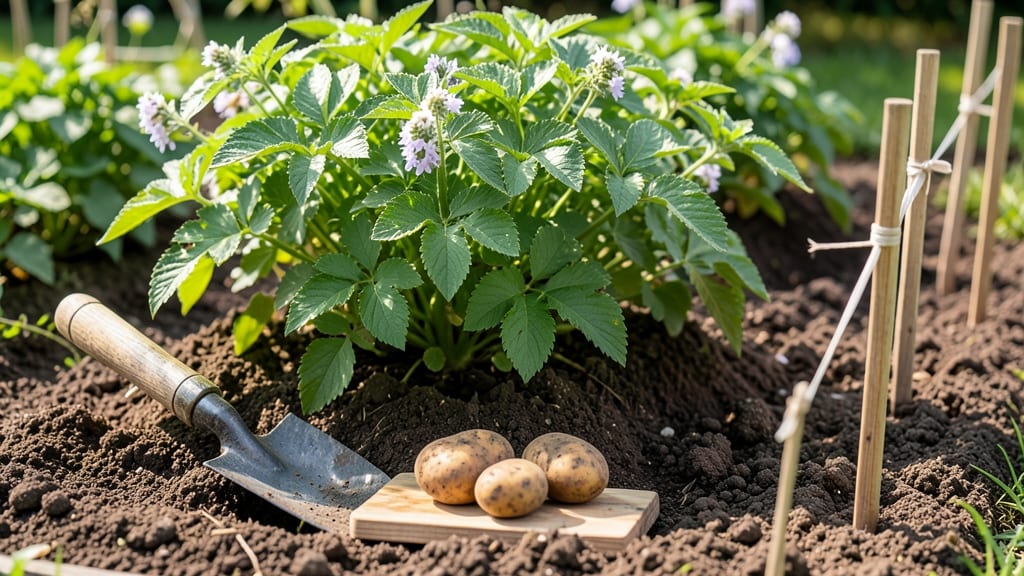
Timing is everything when it comes to planting 🥔 potatoes in Zone 5—get it wrong, and you risk bolting, ruining your harvest before it even starts. The key to success lies in understanding your local frost dates and soil conditions, which can vary even within the same zone.
Most gardeners in Zone 5 plant their potatoes in early spring, as soon as the soil is workable, but there’s more to it than just the calendar.
Whether you’re growing early varieties like Yukon Gold or later ones like Fingerlings, knowing the exact window—2 to 4 weeks before your last frost date—makes all the difference in avoiding bitter, inedible tubers.
I’ve learned the hard way that rushing or delaying planting can turn your garden into a science experiment gone wrong.
But don’t worry—this guide will walk you through the best strategies for Zone 5, from soil prep to variety selection, so you can enjoy a bumper crop of crisp, flavorful potatoes all season long.
Ready to master the art of potato planting? Let’s dive into the secrets that will keep your 🥔 potatoes thriving from seed to harvest, no matter what Zone 5 throws your way.
Zone 5 potato planting timeline: exact weeks before last frost
In Zone 5, potatoes thrive when planted at the right moment—typically 2–4 weeks before your last frost date. This timing ensures tubers grow in 50–60°F soil without bolting (premature flowering).
For most of Zone 5, that means late March to early April, but regional microclimates can shift this by 1–2 weeks.
Your last frost date is the critical marker. In northern Zone 5 (e.g., Minnesota, Maine), aim for mid-April planting, while southern Zone 5 (e.g., Ohio, Pennsylvania) can start as early as late March. Always check your local USDA frost calendar for precision.
Potatoes need 90–120 frost-free days to mature. Early varieties (like Yukon Gold) take 70–90 days, while late varieties (like Russet) need 100–120 days. Plant early varieties first to stretch your harvest season.
Here’s the golden rule: Plant when soil reaches 45°F and stays above freezing at night. Cold soil slows growth, while warm soil speeds it up—balancing both prevents bolting. Use a soil thermometer to confirm.
For succession planting, space out varieties every 2–3 weeks after your first planting. This ensures a continuous harvest from mid-summer to early fall. For example, plant Red Pontiac in early April, Kennebec in late April, and Fingerlings in early May.
Zone 5’s variable spring weather demands flexibility. If late frosts threaten, use row covers or cold frames to protect young plants. Conversely, if soil warms too quickly, delay planting to avoid bolting.
🥔 Zone 5 Potato Planting Summary
| Variety Type | Planting Window | Days to Harvest | Best For |
|---|---|---|---|
| Early (e.g., Yukon Gold) | Late March–Early April | 70–90 days | New potatoes, quick harvests |
| Mid-Season (e.g., Kennebec) | Early–Mid April | 90–110 days | Storage, all-purpose |
| Late (e.g., Russet) | Mid–Late April | 100–120 days | Long storage, baking |
| Fingerlings (e.g., Purple Peruvian) | Late April–Early May | 80–100 days | Succession planting, unique flavors |
Pro Tip: Chit seed potatoes indoors 4–6 weeks before planting to jumpstart growth in cool Zone 5 springs.
If you’re in a cooler microclimate within Zone 5, consider container growing. Pots warm faster and let you plant 2 weeks earlier than in-ground soil. Use black plastic mulch to raise soil temperature by 5–10°F and speed up germination.
For fall planting (a Zone 5 trick!), try early-maturing varieties like Red LaSoda in late August. These need 60–70 days to harvest before first frost. Mulch heavily with straw to protect tubers from freezing.
Always monitor your plants for bolting signs: tall, flower stalks with no tubers. This happens when days get too long (14+ hours of daylight) or soil is too warm. Adjust with shade cloth or delayed planting if bolting starts.
How to adjust planting time for zero bolting risk in Zone 5
Zone 5’s unpredictable spring weather can turn your potato planting into a gamble if you don’t adjust timing strategically. The key to avoiding bolting lies in soil temperature management and variety selection.
Early varieties like Red Norland tolerate cooler soils better than late varieties like Russet Burbank, so match your choices to your microclimate.
Start by chitting seed potatoes indoors 4–6 weeks before your target planting date. Place them in a cool, bright spot (around 50–60°F) with the rose end up.
Sprouts will emerge, giving you a 2-week head start on growth once planted. This technique is especially valuable in Zone 5’s cool, slow springs.
For gardeners in northern Zone 5 (e.g., Upstate New York, Wisconsin), use black plastic mulch or straw bales to warm soil faster. These methods can raise soil temperatures by 5–10°F, allowing you to plant 1–2 weeks earlier without bolting risks.
In southern Zone 5 (e.g., Ohio, Indiana), delay planting if soil warms too quickly—aim for 50–60°F to prevent premature flowering.
🌱 5 Proven Ways to Adjust Planting Time in Zone 5
- 1. Chit seed potatoes indoors 4–6 weeks before planting to jumpstart growth in cool soil.
- 2. Use black plastic mulch to raise soil temperature by 5–10°F and plant 2 weeks earlier.
- 3. Choose early varieties (e.g., Yukon Gold) for cooler microclimates or late varieties (e.g., Russet) for warmer areas.
- 4. Plant in containers—pots warm faster than ground soil, letting you start 1–2 weeks ahead.
- 5. Succession plant every 2–3 weeks to extend harvests and avoid bolting from long daylight.
If your spring arrives too early (e.g., soil hits 60°F by late February), delay planting and use row covers to protect young plants from late frosts.
Conversely, if your spring is late and cold, plant early-maturing varieties like Adirondack Blue (70 days) to ensure harvests before first frost.
For fall planting, select ultra-early varieties like Red LaSoda (60 days) and plant in late August. Use heavy mulch (e.g., straw or leaves) to insulate tubers from freezing. This trick works in southern Zone 5 where first frosts arrive after October 15.
Always monitor daylight hours—potatoes bolt when days exceed 14+ hours. In Zone 5, this typically happens by late June. If your plants start flowering too soon, prune flower stalks to redirect energy to tuber growth. For late-season varieties, prioritize shade cloth during peak daylight to delay bolting.