
Plants
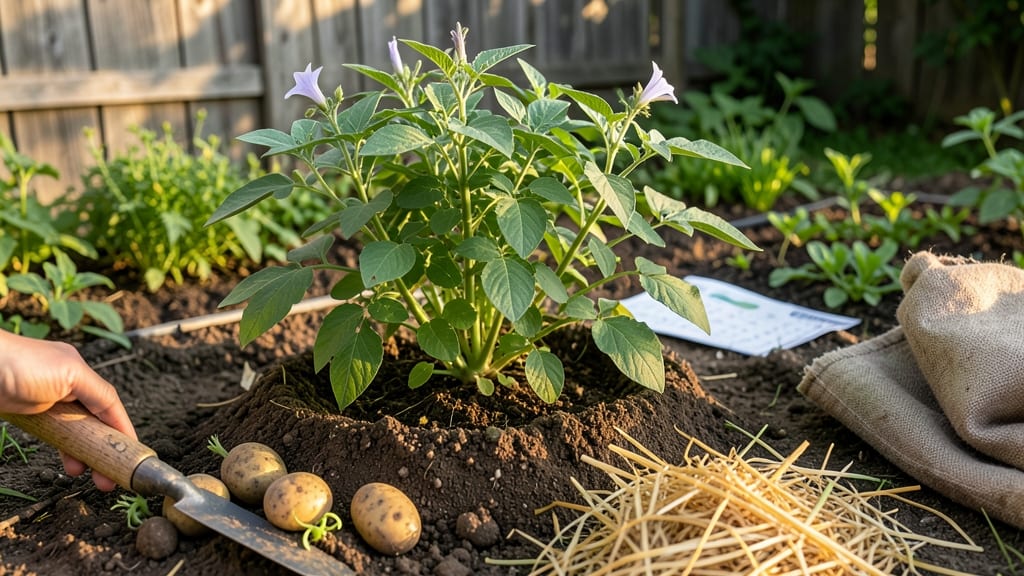
If you're a Michigan gardener dreaming of a bountiful potato harvest, knowing when you should plant potatoes in Michigan is the first step to success. Plant too early, and frost will nip your crop before it starts; too late, and blight might ruin your hard work before harvest.
Michigan's short growing season demands precision, and knowing the exact window for planting potatoes in zones 5-6 makes all the difference.
Most gardeners in Michigan start planting potatoes as soon as the soil becomes workable in early spring, typically between March and April. This gives your tubers enough time to mature before the first frost hits in mid-October.
But with Michigan's unpredictable weather, flexibility is crucial—whether you're growing early varieties like Yukon Gold or later-maturing types, the right timing ensures a thriving harvest.
In this guide, I'll break down the ideal planting dates for Michigan's climate zones, share tips for adjusting to late springs or early frosts, and recommend the best potato varieties for your region.
You'll learn how to prepare your soil, protect your crop, and maximize your yield—so you can enjoy homegrown potatoes from July through October.
Whether you're a seasoned gardener or just starting out, mastering the art of potato planting in Michigan will set you up for a successful and abundant harvest. Let's get your garden ready for a crop that's as rewarding as it is delicious!
Michigan’s planting zones and ideal potato planting dates by month
Michigan’s USDA Hardiness Zones 4-6 create unique challenges for potato growers. The last frost date typically falls between mid-April and early May, depending on your region.
To maximize your potato yield, aim to plant seed potatoes 4-6 weeks before the last frost—usually between March 15 and April 15 for most of the state.
Northern Michigan (Zone 4) has a shorter growing season, so focus on early-maturing varieties like ‘Early Red’ or ‘Kennebec.’ Southern Michigan (Zone 6) can handle slightly later plantings, even up to May 1, for mid-season varieties such as ‘Yukon Gold.’
Always check your local frost-free date for precision.
Soil temperature is critical—potatoes thrive when soil reaches 45°F (7°C). Use a soil thermometer to confirm readiness. If temperatures remain below this threshold, wait until conditions improve to avoid stunted growth or rot.
For organic gardeners, consider using black plastic mulch or straw to warm the soil faster. This technique can extend your planting window by 1-2 weeks, especially in cooler northern regions.
Michigan’s humid climate also demands attention to late blight risks. Planting too late (after May 15) increases exposure to this fungal disease. Early varieties are your best defense against blight, as they mature before peak infection periods.
| Zone | Ideal Planting Window | Last Frost Date | Best Varieties |
|---|---|---|---|
| 4 (Northern MI) | March 15 - April 1 | May 5 - May 15 | Early Red, Kennebec, Chippewa |
| 5 (Central MI) | March 20 - April 15 | April 20 - May 5 | Yukon Gold, Red Pontiac, LaSoda |
| 6 (Southern MI) | April 1 - May 1 | April 10 - April 25 | Russet Burbank, Fingerling, Purple Viking |
🌱 Pro Tip: Adjust planting dates 1 week earlier for container-grown potatoes to warm soil faster.
If you’re planting seed potatoes indoors for an earlier start, begin 6-8 weeks before your target outdoor planting date. Use seedling trays with well-draining soil and place them near a sunny window or under grow lights.
For succession planting, stagger your plantings every 2-3 weeks to extend your harvest window. This works especially well for longer-season varieties like ‘Russet Burbank,’ which can be planted as late as May 15 in southern Michigan.
Always chit your seed potatoes before planting. Place them in a bright, cool spot (around 50°F) for 3-4 weeks before planting to encourage early sprouting. This gives your potatoes a 2-week head start on growth.
Remember: Michigan’s short growing season means every day counts. By following these zone-specific guidelines, you’ll avoid common pitfalls like frost damage or blight losses, ensuring a high-yield harvest of crisp, flavorful potatoes.
How to adjust planting dates for Michigan’s unpredictable weather patterns
Michigan’s unpredictable spring weather can throw off even the most careful planting schedule. If you experience late frosts after your target date, don’t panic—there are smart ways to adjust. One effective strategy is using frost blankets or row covers to protect young plants.
These lightweight fabrics raise soil temperatures by 5-10°F and shield tender shoots from unexpected cold snaps.
For soil warming, try black plastic mulch or even dark-colored landscape fabric. Lay it down 1-2 weeks before planting to accelerate soil temperature rise. This method works especially well in Zone 4 areas where cool springs delay planting. Always remove mulch after planting to prevent overheating.
- 🌡️ Monitor soil temps with a thermometer—wait until 45°F (7°C) minimum.
- 📅 Check 10-day forecasts for frost warnings before planting.
- 🛡️ Use row covers if planting early in Zone 4-5 areas.
- 🌱 Chit seed potatoes 3-4 weeks early for faster emergence.
- 📝 Track planting dates in a garden journal for future adjustments.
✂️ Pro Tip: Plant late varieties in containers for easier frost protection.
If Michigan’s humid summers arrive early, prioritize early-maturing varieties like ‘LaSoda’ or ‘Red Norland’ to avoid late blight. These varieties typically mature in 80-90 days, giving you a harvest before peak infection periods.
For longer-season types, consider succession planting—stagger plantings every 2 weeks to spread out your harvest.
Another key adjustment is planting depth. In cooler soils, bury seed potatoes 3-4 inches deep instead of the usual 4-6 inches. Shallower planting helps roots establish faster in cold conditions. As plants grow, mound soil around stems to encourage tuber formation while keeping foliage warm.
For organic gardeners, incorporate compost or aged manure into beds before planting. This improves soil warmth and moisture retention. Pair this with straw mulch after planting to maintain even soil temperatures. Avoid fresh manure, which can overheat soil and damage young roots.
Always keep an eye on local weather patterns. In northern Michigan, watch for May frosts—these can occur even after the average last frost date.
If frost threatens, cover plants with lightweight blankets or old bedsheets secured with bricks. Remove covers during the day to prevent overheating and allow photosynthesis.
By mastering these weather-adjustment techniques, you’ll turn Michigan’s unpredictable climate into an advantage. Whether you’re dealing with late frosts, early heat, or blight risks, these strategies ensure your potato crop thrives—no matter what Mother Nature throws your way. 🌱