
Plants
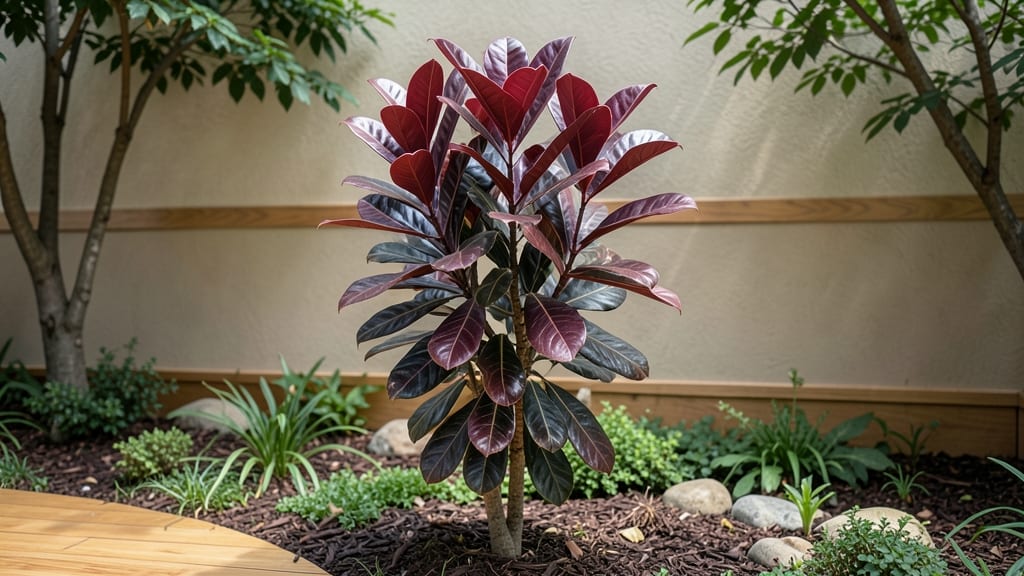
Ever wondered just how tall your Rubber Plant 🌿 could grow—without taking over your living room? The answer might surprise you, because these tropical favorites can reach heights that range from modest to towering, depending on care and variety.
If you're envisioning a lush indoor jungle but worried about space, rubber plants offer the perfect balance. With the right conditions, they grow fast—but their mature size stays surprisingly manageable, especially if you know how to guide their growth.
Whether you have a sunroom or a cozy corner, these plants adapt beautifully.
In this guide, I’ll break down exactly what to expect from your Rubber Plant’s height—from compact varieties that stay under 3 feet to giants that can stretch toward the ceiling.
You’ll also discover how light, pruning, and even your pot size can influence their growth, so you can keep them at your ideal height.
Ready to learn how to nurture a healthy, happy rubber plant that fits your space perfectly? Let’s dive into the details so you can enjoy these stunning plants without any surprises.


Rubber plant height by variety: expected growth ranges and mature sizes
If you're wondering how tall rubber plants grow, the answer depends on the variety and growing conditions. On average, rubber plants (Ficus elastica) reach 6 to 10 feet indoors when mature, but some varieties stay compact.
These tropical plants grow 1 to 2 feet per year under ideal conditions, making them a great choice for adding vertical interest to your space.
Not all rubber plants are created equal—some stay short and bushy, while others stretch toward the ceiling. The key to managing their height lies in choosing the right variety and providing proper care.
Whether you want a tall statement plant or a compact desk companion, there’s a rubber plant perfect for your needs.
🌿
| Variety | Mature Height | Growth Rate | Best For |
|---|---|---|---|
| Black Prince | 6–10 ft | 1–2 ft/year | Large spaces, statement plants |
| Tineke | 3–6 ft | 1 ft/year | Medium rooms, desks |
| Burgundy | 5–8 ft | 1–1.5 ft/year | Bright spaces, hanging baskets |
| White Princess | 4–7 ft | 1 ft/year | Indirect light, compact areas |
| Variegata | 6–10 ft | 1.5–2 ft/year | High ceilings, bright rooms |
| Robusta | 3–5 ft | 0.5–1 ft/year | Small spaces, slow growth |
The Black Prince variety is the tallest, often reaching 10 feet indoors with proper care, while Robusta stays shorter at 3–5 feet, making it ideal for smaller apartments.
If you’re working with limited space, consider Tineke or White Princess, which grow more slowly and stay under 6 feet.
For a bushier look, prune regularly to encourage lateral growth. Place your rubber plant near a bright window (but avoid direct sun) to support healthy, upright growth. If you notice leggy stems, it’s a sign your plant needs more indirect light or a larger container.
Some gardeners use growth regulators to control height, but this isn’t necessary for most varieties. Instead, focus on pruning and container size to keep your rubber plant at your desired height.
With the right variety and care, you can enjoy a lush, green addition to your home without it taking over your space.
Rubber plants thrive in USDA Zone 6a and warmer, so if you’re growing one outdoors in a mild climate, expect even faster growth. Just be prepared to bring it indoors before temperatures drop below 50°F to protect its delicate leaves.
If you’re still unsure which variety fits your space, start with a medium-height option like Burgundy or Variegata. These offer a balance of height and manageability, making them perfect for beginners. With the right care, your rubber plant will grow into a stunning focal point in any room.
Remember, the height of your rubber plant isn’t set in stone—it’s shaped by your care routine. Adjust light, water, and pruning to keep it at your ideal size. Happy growing! 🌱
How to control rubber plant height: pruning and growth tips for small spaces
If your rubber plant is reaching for the ceiling faster than you’d like, don’t worry—controlling its height is easier than you think! With the right techniques, you can keep your Ficus elastica at your desired size while still enjoying its lush, tropical look.
The key lies in pruning, light management, and container choices.
Pruning isn’t just about cutting back overgrowth—it’s a way to shape your plant, encourage bushier growth, and even propagate new plants from cuttings. For small spaces, this means you can enjoy a compact rubber plant without sacrificing its health or beauty.
Let’s dive into the best methods to keep your plant at the perfect height for your home.
⚠️ CRITICAL: Always use clean, sharp pruning shears to avoid damaging the plant. Disinfect your tools with rubbing alcohol before and after pruning to prevent disease spread.
Step-by-Step Guide to Pruning Your Rubber Plant
- Choose the right time: Prune in spring or early summer when your plant is actively growing. Avoid pruning in fall or winter when growth slows.
- Identify the cut: Look for a leaf node (the bump where leaves grow) just below where you want to trim. Cut ½ inch above the node at a 45-degree angle.
- Trim strategically: For a bushier plant, cut back 1/3 of the stem just above a leaf node. For a taller but leaner look, trim only the top growth.
- Propagate cuttings: Place cuttings in water or moist soil to root. Use a clear glass for water propagation to track root growth.
- Clean up: Remove any yellow or damaged leaves to redirect energy to new growth. Wipe the stem with a damp cloth to remove sap.
Light plays a huge role in how tall your rubber plant grows. These plants thrive in bright, indirect light, but too much direct sun can cause rapid, leggy growth. If your plant is stretching toward a window, it’s a sign it needs more balanced light exposure.
Rotate your plant quarter-turns every few weeks to ensure even growth and prevent it from leaning.
For small-space gardening, consider placing your rubber plant near an east-facing window, where it gets gentle morning light without harsh afternoon rays. If your home lacks natural light, a grow light can help maintain a compact shape.
Aim for 12-14 hours of light daily to slow vertical growth and encourage fuller foliage.
Pot size directly impacts your rubber plant’s height. A too-large container encourages rapid growth as the plant searches for its roots, while a snug pot (just 1-2 inches larger in diameter than the root ball) promotes slower, more controlled growth.
If you’re growing your plant in a small space, opt for a shallow, wide pot to encourage bushier growth rather than height.
Finally, don’t forget to fertilize wisely. Over-fertilizing can lead to rapid, weak growth, making your plant top-heavy and prone to falling. Use a balanced fertilizer (10-10-10) every 4-6 weeks during spring and summer, and reduce feeding in fall and winter.
Always water your plant thoroughly before fertilizing to prevent root burn.
With these tips, you can keep your rubber plant at the perfect height for your space—whether you want a countertop-sized specimen or a floor-filling statement plant. Happy pruning! ✂️🌿