
Planting
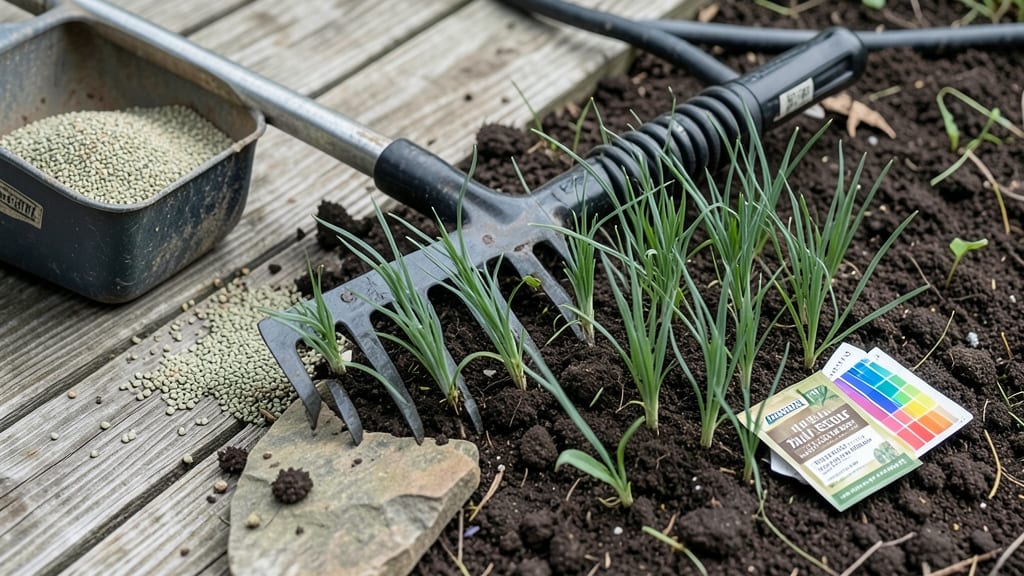
Timing your grass seed planting in Ohio right means the difference between a vibrant lawn and a patchy disappointment. Ohio’s 6a zone demands precision—plant too early, and frost could kill your seedlings; too late, and summer heat stresses them before they take root.
I’ve learned the hard way that late August to early September is your best bet for fall planting, while spring offers a short window between April 15 and May 15—just after the last frost. But here’s the secret: soil temperature matters more than dates.
You’ll want to aim for 40°F to 55°F soil temps, not just calendar months. That’s when your 🌱 grass seed germinates fastest and establishes strong roots before winter or summer extremes hit.
Let’s break down the exact timing, soil prep, and local tricks to give your lawn the best possible start—no more guessing, just a lush, green result. Ready to get growing?
Ohio grass seed planting timeline by USDA hardiness zones (5b-6b)
Ohio spans USDA Hardiness Zones 5b through 6b, meaning frost dates vary by region. For northern Ohio (Zone 5b), the last spring frost typically arrives around April 25-May 5, while southern Ohio (Zone 6b) sees frost-free conditions by April 10-April 20.
These dates determine your ideal planting window—4-6 weeks before last frost for spring or September-October for fall.
Most Ohio gardeners aim for late April to early May for spring planting, giving seeds time to establish before summer heat. Fall planting in September (northern Ohio) or early October (southern Ohio) leverages cooler temps and consistent moisture for root growth before winter dormancy.
The key is avoiding extreme heat or cold, which stress young seedlings.
Here’s how to align your planting with Ohio’s 10°F soil temperature rule: Grass seeds need soil temps between 40°F-55°F to germinate. Use a soil thermometer (available at garden centers for ~$10) to check temps at 2-inch depth.
In spring, this usually occurs by mid-April in southern Ohio and late April in northern regions.
Pro Tip: If you’re in doubt, plant 6 weeks before last frost—this gives seeds a safety net against late frosts. For example, March 25-April 5 in Zone 5b or March 15-April 1 in Zone 6b. Fall planting should wrap up by October 10 to allow 4-6 weeks of root establishment before winter.
Ohio’s microclimates add complexity: Valley areas (like Cincinnati or Columbus) warm up faster than rural zones. Check your local cooperative extension service (e.g., Ohio State University Extension) for hyper-local frost data. Their frost-free date maps can adjust your timeline by 1-2 weeks.
For cool-season grasses (Kentucky bluegrass, tall fescue, fine fescue), which dominate Ohio lawns, fall planting is often superior. These grasses establish 60-70% of their root system in fall, giving them a head start in spring. Spring planting still works but requires diligent watering to combat summer drought.
Here’s a quick zone-by-zone breakdown to simplify your planning:
- Zone 5b (north): Plant April 25-May 15 (spring) or September 1-15 (fall).
- Zone 6a (central): Plant April 10-May 10 (spring) or September 15-October 5 (fall).
- Zone 6b (south): Plant March 25-April 15 (spring) or September 20-October 10 (fall).
🌱 Ohio Grass Seed Planting Summary Table
| Zone | Last Frost Date | Spring Planting Window | Fall Planting Window | Soil Temp for Germination |
|---|---|---|---|---|
| 5b (Northern OH) | April 25-May 5 | April 25-May 15 | September 1-15 | 40°F-55°F (late April) |
| 6a (Central OH) | April 15-April 25 | April 10-May 10 | September 15-October 5 | 40°F-55°F (mid-April) |
| 6b (Southern OH) | April 10-April 20 | March 25-April 15 | September 20-October 10 | 40°F-55°F (early April) |
💡 Key: Adjust windows by 1-2 weeks for urban vs. rural areas. Always plant 4-6 weeks before last frost for spring.
Missed the spring window? Fall planting is your backup. Ohio’s September-October temps are ideal for seedling growth without summer heat stress. The 60-day rule applies: Plant seeds 60 days before first frost (typically October 15 in most of Ohio). This ensures roots establish before winter dormancy.
For warm-season grasses (like Bermuda or Zoysia, less common in Ohio), plant in late spring (May-June) when soil temps exceed 65°F. These
Soil temperature and weather conditions for perfect germination
Ohio’s soil temperature is the #1 factor determining whether your grass seed will germinate successfully. Aim for 40°F to 55°F—any colder, and seeds may rot; any hotter, and they’ll dry out before sprouting.
Spring planting (April) often hits this sweet spot, but fall (September) can work too if temps stay mild.
Use a soil thermometer ($10 at garden centers) to check depths of 1-2 inches. Early morning is best for readings, as afternoon sun can skew results. If temps dip below 40°F, wait—your seeds are not invincible! A late frost can wipe out weeks of prep work.
Planting too early risks frost damage, while planting too late means battling summer heat stress. Ohio’s average last frost date is April 15, but zones 5b-6b can vary by 2-3 weeks. Check your local USDA frost map or use the Old Farmer’s Almanac app for real-time updates.
Heavy rain after planting? Wait 24-48 hours to reseed bare spots—muddy conditions smother seeds. Drought conditions? Water lightly every 2-3 days until germination (7-14 days).
Morning watering (before 10 AM) prevents fungal diseases like damping off, which turns fresh sprouts to mush. Use a rain gauge or tuna can (buried 2 inches deep) to measure ½ inch of water weekly—that’s 1270 ml per square foot. Overwatering is just as deadly as underwatering!
Ohio’s humidity and wind patterns matter too. Wind can dry out seeds faster, while high humidity encourages mold. If your lawn is exposed, consider a lightweight straw mulch (¼ inch thick) to retain moisture without smothering sprouts. Remove it once grass reaches 3 inches tall.
Pro tip: Plant when forecasted highs are 60°F+ for 3-5 days. This gives seeds consistent warmth without scorching. In fall, aim for September 15-October 15—cool nights and warm days create perfect germination conditions without summer pests.
Remember, patience is key. Grass seed needs 14-28 days to germinate, depending on variety. Track progress with a small flag marking planted areas—this helps you spot uneven growth early and adjust watering.