
Vegetables
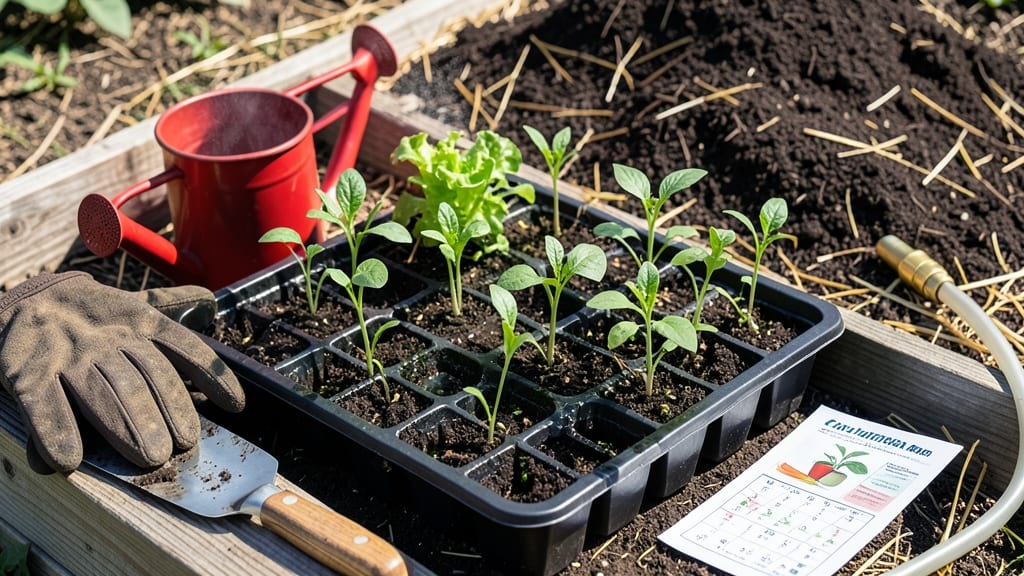
The best time to plant vegetables in California depends on where you live—coastal fog or inland heat can shift your schedule by months. Whether you're growing crisp lettuce 🥕 or sun-loving tomatoes, getting the timing right means the difference between a bountiful harvest and wasted effort.
California’s diverse microclimates throw a wrench into one-size-fits-all advice. Coastal areas like San Francisco enjoy mild winters and almost no frost, while inland valleys can see chilly nights that slow growth.
I’ll break down the exact months to plant for your region, so you can avoid common mistakes like bolting lettuce or stunted tomatoes.
You don’t need a green thumb to succeed—just the right timing. Learn how to align your planting with soil temperatures, frost-free windows, and even water availability.
By the end, you’ll know exactly when to pop those seeds in the ground for maximum yield, whether you’re a beginner or a seasoned gardener.
Ready to transform your garden? Let’s dive into the coastal vs. inland planting schedules that’ll have your veggies thriving all year round.
California coastal planting schedule: ideal months for vegetables by climate zone
California’s coastal regions—think San Francisco, Santa Barbara, and Los Angeles—offer unique gardening opportunities with mild winters and cool summers. Unlike inland areas, coastal zones rarely experience frost, allowing for year-round planting with careful crop selection.
The key is timing cool-season crops for fall/winter and warm-season crops for spring/summer to avoid heat stress.
For coastal California, focus on fall planting (August–October) for leafy greens like kale and spinach, which thrive in 50–65°F soil temps. Warm-season favorites such as tomatoes and peppers should go in March–May when daytime temps stabilize above 60°F.
Microclimates matter: inland-facing coastal areas (like Malibu) warm up faster than foggy spots (like Pacific Grove).
| Crop Type | Best Planting Months | Soil Temp (°F) | Sun Needs | Notes |
|---|---|---|---|---|
| Cool-Season (Leafy Greens) | August–October, February–April | 50–65°F | Full sun to partial shade | Avoid summer heat; mulch to retain moisture. |
| Warm-Season (Tomatoes, Peppers) | March–May, September | 60–85°F | Full sun (6+ hours) | Use shade cloth in summer to prevent bolting. |
| Root Crops (Carrots, Beets) | September–November, February | 55–70°F | Full sun | Loosen soil to prevent forking; water deeply. |
| Broccoli, Cabbage | August–September, February | 55–75°F | Full sun | Head start indoors for spring planting. |
One of my favorite coastal gardening hacks is extending the season with row covers or cold frames during unexpected chilly snaps. For example, lettuce planted in late October can overwinter and be ready by February if protected.
Just avoid planting heat-lovers like okra or sweet potatoes—they’ll bolt in coastal heat.
Watering is critical in coastal gardens due to foggy mornings and salty air. Always water in the morning to prevent fungal diseases like powdery mildew, which thrives in damp coastal conditions. Drip irrigation or soaker hoses work best to deliver moisture directly to roots without wetting foliage.
For container gardening on coastal balconies, choose compact varieties like bush beans or cherry tomatoes. These thrive in 5-gallon pots with well-draining potting mix and benefit from daily watering due to limited soil volume. Coastal winds can dry out containers faster, so check moisture levels daily.
If you’re in a microclimate with afternoon fog (common in Santa Cruz or Monterey), delay planting warm-season crops until late April to avoid stunted growth. Use a soil thermometer to confirm temps are consistently above 60°F before sowing seeds.
Pro tip: Succession plant fast-growing crops like radishes or bush beans every 2–3 weeks to ensure a continuous harvest. This works year-round in coastal zones, giving you fresh produce even in December or January. Just avoid planting bolting-prone greens (like arugula) in late winter when days lengthen.
Finally, companion planting can boost yields in coastal gardens. Pair tomatoes with basil to repel pests, or interplant carrots with onions to deter carrot flies. These pairings thrive in coastal conditions and maximize your garden’s potential.
🌱
Inland California planting calendar: heat-tolerant crops and extended growing seasons
Inland California—think Central Valley, Sacramento, and San Joaquin Valley—offers gardeners a longer growing season with hotter summers and milder winters than coastal areas. Here, you can grow heat-loving crops like okra and sweet potatoes year-round, while still enjoying cool-season greens in winter.
The key is timing your warm-season crops for spring and late summer to avoid extreme heat stress.
Unlike coastal regions, inland areas rarely experience frost, but soil temperatures still dictate planting windows. For example, tomatoes and peppers thrive when soil temps hit 60°F+, usually by late March to early April.
Meanwhile, winter squash and corn can handle the heat and often do best when planted in May or June to avoid bolting in the hottest months.
| Crop | Best Planting Months | Soil Temp Requirement | Heat Tolerance |
|---|---|---|---|
| Tomatoes | March-April, August-September | 60°F+ | Moderate (needs shade in peak summer) |
| Okra | June-July | 70°F+ | High (loves heat) |
| Sweet Potatoes | May-June | 65°F+ | Very High |
| Lettuce (Heat-Tolerant Varieties) | September-October | 50°F+ | Low (bolts in heat) |
| Corn | April-May, August-September | 60°F+ | Moderate (needs consistent water) |
One of the biggest advantages of inland planting is the ability to successive plant warm-season crops like beans and cucumbers every 2-3 weeks from spring through early summer. This extends your harvest window and maximizes your garden’s productivity.
For example, plant bush beans in March, then again in June for a late-summer crop before the heat peaks.
Don’t overlook fall planting for cool-season crops like broccoli and carrots. Inland areas often see cooler nights in September and October, making these months ideal for slow-bolting greens.
Start seeds indoors in July or buy transplants in August to get a jump on the season. Mulch heavily to retain moisture and protect roots from temperature swings.
Water management is critical in inland gardens. Unlike coastal areas, drip irrigation or soaker hoses are essential to prevent water loss from high evaporation rates.
Aim for 1-2 inches of water per week, but adjust based on soil type—sandy soils dry out faster. Morning watering is a must to reduce fungal risks from prolonged leaf wetness.
Pro tip: Use shade cloth in peak summer (July-August) to protect heat-sensitive crops like tomatoes and peppers. A 30-50% shade cloth can lower soil temps by 10-15°F, preventing blossom drop and improving fruit set.
This simple trick can mean the difference between a bountiful harvest and a struggling plant.