
Plants
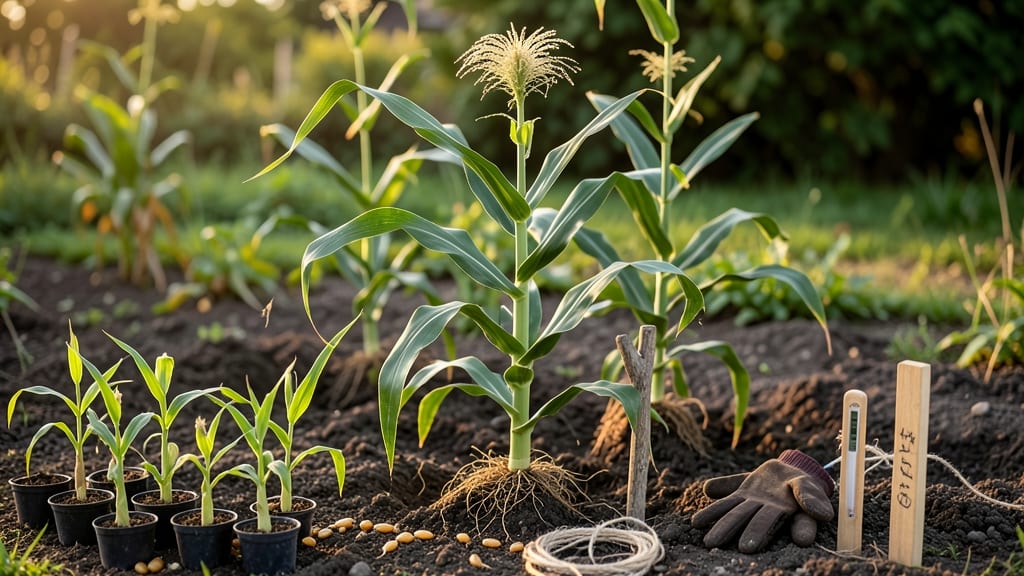
Timing your corn planting in Seattle could mean the difference between a bumper crop of sweet 🌽 and a sad, frost-nipped disappointment. With coastal chill lingering longer than inland areas, getting the start dates right is the key to success—especially when your growing season is already on the shorter side.
Most gardeners in USDA Zone 8a wait until after the last frost (around mid-April), but Seattle’s microclimates complicate things. Coastal areas near Puget Sound may need to hold off until late April or even early May, while inland spots can plant earlier.
The secret? Waiting until soil temperatures hit at least 50°F—that’s when those little seeds finally wake up and grow.
I’ve learned the hard way that rushing corn into cold soil leads to slow germination and weak stalks. But don’t worry—with the right variety and a few smart tricks, you can still enjoy fresh ears by late summer.
Let me walk you through the exact planting windows, soil prep hacks, and fast-maturing varieties that actually thrive here.
Whether you’re a first-time gardener or a seasoned green thumb, these insights will help you avoid common pitfalls and maximize your harvest. Ready to turn your backyard into a corn patch? Let’s get started.
Seattle corn planting dates by microclimate: coastal vs inland frost zones
Seattle’s microclimates create a 10–14 day difference in safe planting windows between coastal areas and inland zones like Redmond or Kirkland. Coastal regions near Puget Sound experience colder, wetter springs, while inland areas warm up faster but face earlier fall frosts.
Understanding these zones helps you avoid frost damage and maximize your harvest window.
For coastal Seattle (e.g., West Seattle, Ballard), aim to plant corn seeds indoors by late March and transplant outdoors after May 15, when soil temperatures consistently reach 50°F (10°C).
Inland areas can start direct sowing outdoors by April 15—just monitor nighttime lows to stay above 50°F (10°C).
Here’s how to align your planting with Seattle’s frost-free growing season (average 180 days from last frost to first frost):
| Microclimate | Last Frost Date | Safe Planting Window | Soil Temp Threshold | Transplant Ready |
|---|---|---|---|---|
| Coastal (West Seattle, Ballard) | April 1–15 | Indoors: Late March Outdoors: After May 15 |
50°F (10°C) | May 20–June 1 |
| Inland (Redmond, Kirkland) | March 20–April 5 | Outdoors: April 15–May 1 | 50°F (10°C) | May 1–May 15 |
| Eastside (Bellevue, Mercer Island) | March 25–April 10 | Outdoors: April 1–April 15 | 50°F (10°C) | April 20–May 1 |
*Use a soil thermometer to confirm readiness—cold soil delays germination.
For direct sowing, plant 1–1.5 inches deep in rows spaced 30–36 inches apart. If transplanting seedlings, harden them off for 7–10 days before moving outdoors. Succession planting every 2 weeks after your initial date ensures a staggered harvest.
Seattle’s short growing season demands fast-maturing varieties (60–90 days to harvest). Prioritize early-maturing hybrids like 'Ambrosia' (80 days) or 'Golden Bantam' (75 days) to avoid fall frosts. Plant 3–4 varieties with staggered maturity dates to spread out your harvest.
Pro tip: Use black plastic mulch to warm soil faster in coastal areas. Remove mulch once plants are 6 inches tall to prevent overheating. Inland gardeners can skip mulch but should water deeply during dry spells to prevent soil crusting.
Monitor NOAA frost forecasts for your specific neighborhood—coastal areas can experience late frosts into May, while inland zones may see early frosts by late September. Plan your planting schedule 2 weeks later than official last-frost dates to account for these delays.
If you’re unsure about your microclimate, check the University of Washington’s AgWeatherNet for real-time soil and air temperature data. This tool helps you make data-driven planting decisions tailored to your exact location.
For container growing, use 5-gallon pots and plant 2 weeks earlier than outdoor dates—containers warm up faster. Place pots in full sun and use lightweight potting mix to improve drainage.
How to extend your corn growing season in Seattle (cold-soil hacks)
Seattle’s chilly, wet springs can delay corn planting until soil warms enough for germination. But with the right tricks, you can extend your growing season and enjoy fresh ears by summer. The key is warming the soil and protecting young plants from late frosts—both common challenges in Zone 8a.
Start by testing soil temperature—corn needs at least 50°F (10°C) to germinate. If your soil is still cold in early spring, use black plastic mulch to absorb sunlight and raise temperatures 5–10°F faster than bare soil.
This method also suppresses weeds and retains moisture, which is critical for young corn seedlings.
For even earlier starts, try a cold frame or mini greenhouse over seedling trays. These create a microclimate that can jumpstart growth by 2–3 weeks, giving your corn a head start before transplanting. Just ensure good airflow to prevent fungal diseases like blight, which thrive in damp conditions.
🌱 Cold-Soil Hacks for Seattle Corn
- Black plastic mulch: Lay down 2–3 weeks before planting to warm soil and suppress weeds.
- Cold frames: Use for seedlings in March to accelerate growth by 2–3 weeks.
- Succession planting: Sow seeds every 2 weeks from mid-April to early June for staggered harvests.
- Fast-maturing varieties: Choose 60–90 day varieties like 'Tuxedo' or 'Ambrosia' to avoid fall frost.
- Row covers: Protect young plants from late frosts (after May 15) with lightweight fabric.
Another smart strategy is succession planting. Since Seattle’s growing season is short, sow new corn seeds every 2 weeks from mid-April to early June. This ensures a continuous harvest from late July to early October, maximizing your yield despite the region’s cool summers.
If you’re worried about fall frost cutting your harvest short, opt for early-maturing varieties (under 90 days). Varieties like 'Golden Bantam' or 'Pioneer Brand 38W53' mature quickly but still produce sweet, plump ears. Pair this with row covers in late summer to buy extra time if frost threatens.
Finally, prepare your soil in early spring by adding compost or aged manure to boost fertility. Corn is a heavy feeder, so well-amended soil helps it grow faster and stronger.
Aim for a pH between 6.0 and 7.0, and consider a balanced fertilizer (10-10-10) at planting time for extra vigor.