
Plants
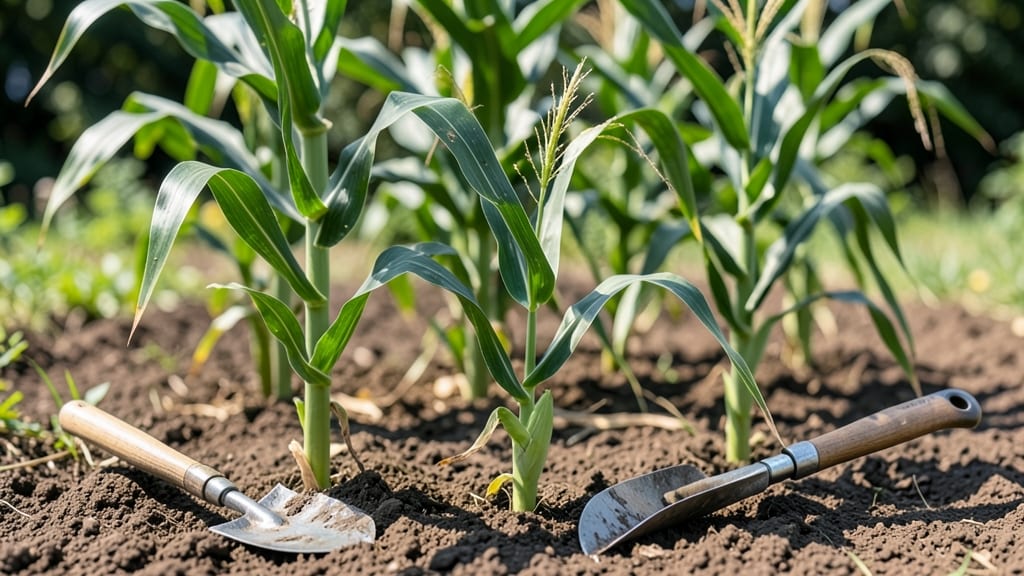
Timing your 🌽 corn planting in Ohio isn’t just about following a calendar—it’s about outsmarting Mother Nature’s mood swings. With frost dates that can shift by weeks and soil that warms unevenly across the state, getting it right means the difference between a bumper crop and wasted seeds.
Ohio’s Zone 6a climate demands precision, especially when your planting window spans just mid-April to early May. Plant too soon, and a late frost could turn your tender seedlings into sad, crunchy snacks. Wait too long, and you might miss the sweet spot for full-grown ears by harvest season.
Don’t stress—this guide cuts through the guesswork with zone-specific dates, soil temperature tricks, and variety recommendations tailored to Ohio’s 165 frost-free days. Whether you’re in Toledo’s cooler pockets or Columbus’s urban heat islands, you’ll learn how to sync your planting with nature’s rhythm.
Ready to grow corn that’s taller than you and bursting with flavor? Let’s dive into the exact dates, soil secrets, and weather hacks that’ll turn your Ohio garden into a cornfield goldmine.
Ohio corn planting dates by hardiness Zone (2024 guide)
Ohio’s diverse growing zones (5-9) mean your corn planting timing should vary based on location. The average last frost date across the state ranges from mid-April in southern Ohio to early May in northern regions.
But don’t rely solely on dates—soil temperature is your true guide. Corn thrives when soil reaches at least 60°F, which usually aligns with 2-3 weeks after frost in most of Ohio.
For sweet corn varieties, which are popular in home gardens, you’ll want to aim for a harvest window between late July and early October. This means starting seeds or setting out transplants at the right time to ensure ears mature before fall frosts hit in October.
In Zone 5 (northwest Ohio), this might mean planting 1-2 weeks earlier than in Zone 6 (central/southern Ohio), where summers are longer.
Here’s the critical rule: Wait until the soil is warm enough—cold soil delays germination and stresses young plants. A soil thermometer is your best friend here.
If you’re planting in containers or raised beds, they’ll warm up faster than in-ground soil, so you can start a week earlier in these conditions. For direct-sown corn, which is common in Ohio gardens, timing is everything to avoid frost damage or overly mature ears before harvest.
| Ohio Region | USDA Zone | Avg. Last Frost | Ideal Planting Window | Soil Temp. Threshold | Best Variety Maturity |
|---|---|---|---|---|---|
| Northwest (Toledo, Lima) | 5a/5b | April 20-May 5 | Late April to mid-May | 60°F+ | 85-100 days |
| Central (Columbus, Dayton) | 6a | April 10-20 | Mid-April to early May | 60°F+ | 75-90 days |
| Southwest (Cincinnati, Dayton) | 6b | April 5-15 | Early April to late April | 58°F+ | 70-85 days |
| Southeast (Athens, Chillicothe) | 6b/7a | April 1-10 | Late March to early April | 58°F+ | 65-80 days |
If you’re growing dent corn or field corn (common for livestock or homesteading), you’ll want to extend your planting window slightly later—aim for late April to early June—since these varieties have longer maturity times (90-120 days).
This gives them time to develop sturdy stalks and kernels before Ohio’s first fall frosts in mid-October. For southern Ohio (Zones 6b-7a), you can even push planting to early June for a late-summer harvest, though yields may be smaller.
Pro tip: Use black plastic mulch to warm the soil faster and create a microclimate that lets you plant 1-2 weeks earlier in cooler zones. This is especially useful in Zone 5, where springs can be chilly.
Just remove the mulch once plants emerge to avoid overheating. Another trick? Plant early-maturing varieties like 'Silver Queen' or 'Ambrosia' in northern Ohio to hedge against late frosts.
For container growing, which is popular in urban Ohio gardens, choose bush corn varieties like 'Golden Bantam' (60-day maturity) and start seeds indoors 4-6 weeks before your last frost date.
Transplant seedlings outdoors after the soil warms, but be prepared to protect them with row covers if late frosts threaten. Containers also dry out faster, so monitor moisture levels closely during Ohio’s often hot, dry summers.
One common mistake Ohio gardeners make is planting too late to account for slow germination in cool soil. If you wait until
How to adjust corn planting for Ohio’s unpredictable weather patterns
Ohio’s weather is famously unpredictable, with late frosts that can sneak in even after Memorial Day or heat waves that dry out soil faster than expected. To beat these challenges, I’ve learned to use staggered planting and soil-warming tricks that give my corn a fighting chance.
The key is flexibility—planting in batches ensures at least some ears mature, even if Mother Nature throws a curveball.
First, divide your seeds into 2-3 groups and plant them 7-10 days apart. This spreads out your harvest window, so if the first batch gets hit by frost, the later plantings might still thrive.
For example, in Zone 5 (Toledo area), I plant my first batch around May 1, the second on May 10, and the third on May 20. This way, even if the first planting struggles, the later ones catch up as temperatures rise.
🌱 5 Weather-Proofing Strategies for Ohio Corn
- ❄️ Staggered Planting: Plant 3 batches, 7-10 days apart to hedge against frost.
- ☀️ Black Plastic Mulch: Warms soil by 10-15°F, letting you plant 2 weeks earlier in cool zones.
- 🌬️ Row Covers: Use lightweight fabric to protect seedlings from late frosts (remove when plants are 6" tall).
- 💧 Drip Irrigation: Delivers consistent moisture during Ohio’s unpredictable rain patterns.
- 🌾 Cold-Tolerant Varieties: Choose 'Ambrosia' or 'Peaches and Cream' for better frost resistance.
Ohio’s microclimates add another layer of complexity. If you’re near Lake Erie, for instance, lake-effect winds can delay warming, so I plant 1-2 weeks later than inland areas.
Conversely, urban heat islands in cities like Columbus can warm up faster—perfect for starting seeds indoors 2-3 weeks earlier and transplanting outdoors as soon as soil hits 60°F. Always check your local weather station for 10-day forecasts before committing to planting.
Another trick I swear by is soil warming. Lay down black plastic mulch 1-2 weeks before planting to raise soil temperatures by 10-15°F. This is a game-changer in Zone 5, where cool springs can stall germination. Just
Don’t overlook windbreaks, either. Ohio’s prevailing winds can stress young corn plants, especially in open fields. Plant a hedgerow of sunflowers or tall grasses on the north or west side of your corn patch to reduce wind damage. This simple step can mean the difference between straight, sturdy stalks and leaning, broken plants during summer storms.
Finally, keep an eye on the weather radar in the days leading up to planting. If a cold front is predicted, delay planting until temperatures stabilize.
And if you’re in southern Ohio (Zones 6b-7a), you might even squeeze in a late-summer planting in early June for a fall harvest, though yields will be smaller.
The goal? Adapt, not panic—Ohio’s weather will keep you on your toes, but with these strategies, your corn will rise above the chaos.