
Plants
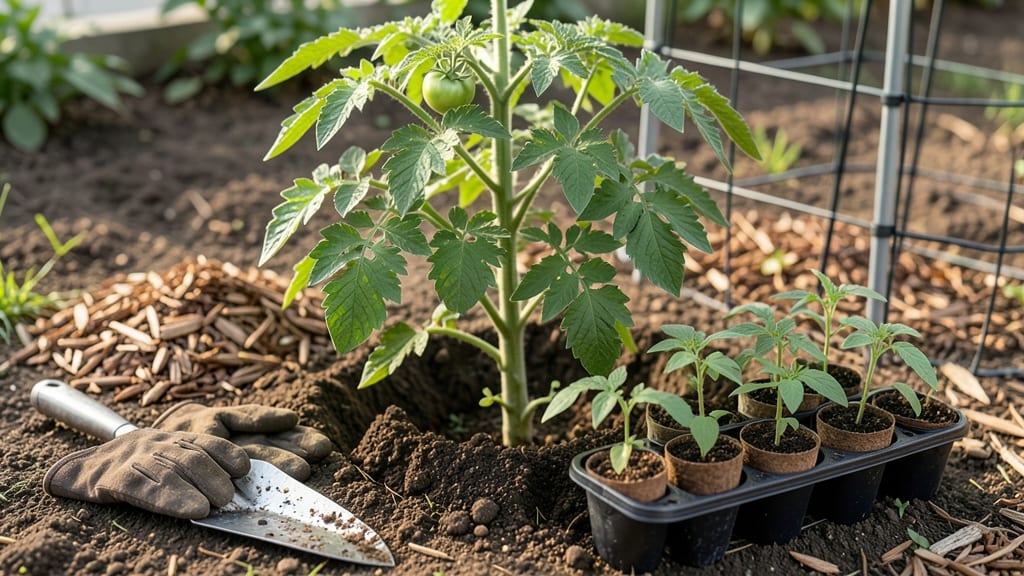
When is the best time to plant tomatoes in California? Timing your 🍅 tomato planting can make or break your harvest—get it wrong, and you’ll either wait months for fruit or watch your plants wilt in unexpected heat. The best window isn’t one-size-fits-all; coastal areas like San Francisco thrive with early spring starts, while inland desert zones like Palm Springs can handle late winter plantings without a hitch.
What’s most important isn’t just the calendar date but your specific microclimate. I’ve seen gardeners in Los Angeles rush their seedlings into cold soil, only to have them rot, while their neighbors in Santa Barbara enjoy summer tomatoes by planting just a few weeks earlier.
The key? Knowing your last frost date—and how it differs from your neighbor’s.
In this guide, you’ll discover the exact planting deadlines for your zone, whether you’re in chilly Northern California or baking Southern regions. We’ll cover everything from soil temperature checks to variety selection, so you can avoid common mistakes and maximize your harvest.
Let’s get those seeds in the ground at the perfect moment.
Ready to transform your garden? You’ll learn how to time your plantings for bigger yields, whether you’re direct-sowing or transplanting seedlings, and how to extend your season with simple tricks. No more guessing—just science-backed deadlines tailored to your backyard.
California planting zones & last frost dates: exact deadlines by region
California’s microclimates create wildly different planting windows—what works in San Diego (Zone 10) will fail in Sacramento (Zone 9). The key? Frost-free dates and soil temperature. Coastal areas stay cooler longer, while inland zones heat up faster. Let’s break it down by region so you can plant with confidence.
Northern California (Zones 7-9) has earlier frost risks, especially in the Sacramento Valley and San Francisco Bay Area. Here, your last frost date typically falls between March 15 and April 15. Inland areas like Fresno warm up faster, while coastal San Francisco stays chilly until May.
Central California (Zones 8-10) offers a longer growing season. The Central Coast (e.g., Santa Barbara) sees last frosts around February 15, while the LA Basin (Zone 10) rarely drops below freezing.
This means you can plant earlier in coastal zones but push later in inland areas to avoid summer heat stress.
Southern California (Zones 9-11) is the golden zone for tomatoes. San Diego and Riverside have year-round growing potential, but even here, timing matters. Plant spring tomatoes (February–April) for summer harvests, then fall varieties (July–August) to avoid 100°F+ heat that stunts fruit set.
🌱Pro Tip: Use soil thermometers—tomatoes need 60°F+ soil to thrive. Coastal soils stay cold longer, while inland areas hit ideal temps by mid-April.
| Region | Zone | Last Frost Date | Ideal Planting Window | Soil Temp Goal |
|---|---|---|---|---|
| Northern CA (SF Bay, Sacramento) | 7-9 | March 15–April 15 | April 15–May 15 | 60°F+ |
| Central Coast (Santa Barbara) | 8-10 | February 15–March 15 | March 1–April 15 | 55°F+ |
| LA Basin (Zone 10) | 10 | Never (rare frost) | February–April | 65°F+ |
| San Diego (Zone 10-11) | 10-11 | Never | January–March (spring) or July–August (fall) | 70°F+ |
| Desert (Palm Springs) | 9-11 | Rare (Dec–Jan) | March–April (spring) or August–September (fall) | 75°F+ |
🌡️ Soil temp rules: Tomatoes wilt in cold soil—wait until 60°F+ for best root growth.
If you’re in Northern California, aim for April 15 as your last planting deadline for spring tomatoes. Coastal areas can start 2–3 weeks earlier, but inland zones like Fresno should wait until May 1 to avoid late frosts.
Tomato varieties that thrive in California’s climate: heat-tolerant vs. early-season picks
California’s diverse microclimates mean the wrong tomato variety can spell disaster—whether it’s heat stress in the desert or blight in coastal fog. The key? Matching your planting zone to varieties bred for your climate. For example, Southern California’s 90°F+ summers demand heat-tolerant types like ‘Solar Fire,’ while cooler coastal areas thrive with early-season ‘Early Girl’ or ‘Stupice.’ Your planting window also depends on variety. Heirlooms like ‘Brandywine’ need longer growing seasons (85+ days), while cherry tomatoes like ‘Sweet 100’ mature in 60 days, perfect for staggered fall plantings in Southern zones. Let’s break down the best picks for your region and how to time their transplants for maximum yield.Heat-Tolerant vs. Early-Season Tomatoes
| Variety | Type | Days to Harvest | Best For | Planting Window |
|---|---|---|---|---|
| Solar Fire | Cherry | 65-70 days | Desert/Inland Heat | March-May |
| Early Girl | Slicing | 55-60 days | Coastal/Foggy Areas | February-April |
| Brandywine | td style="padding: 10px; border: 1px solid #ddd;">Heirloom85-90 days | Cool Central Valley | March-April | |
| Stupice | Cherry | 60-65 days | High-Altitude Areas | April-May |
💡 Pro Tip: For fall harvests, transplant heat-tolerant varieties like ‘Celebrity’ in July-August—they’ll thrive in cooler autumn temps.
🌱