
Plants
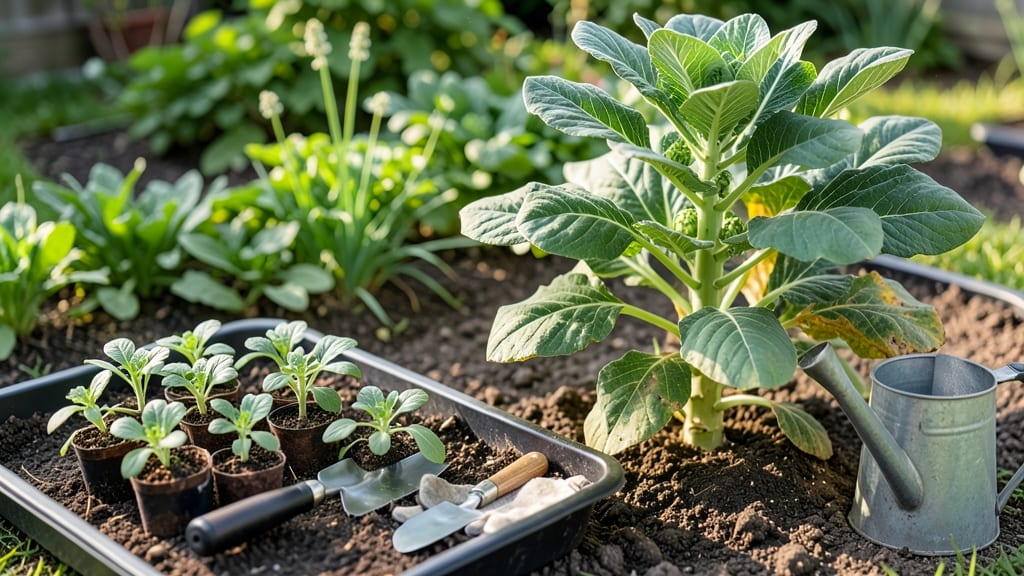
Timing your Brussel sprouts 🥦 planting in Southern California can mean the difference between a bumper crop and a sad, wilted disappointment—especially when summer heat arrives faster than you expect.
Most gardeners in zones 9b-11 assume fall planting is the only option, but inland areas like Riverside face different risks than coastal spots like San Diego. The key? Understanding when to start seeds versus transplanting seedlings—and how to protect them from unexpected late-season frosts or scorching afternoons.
In this guide, I’ll break down the exact coastal vs. inland planting windows, plus pro tips to extend your harvest through Southern California’s tricky microclimates.
Whether you’re a first-timer or a seasoned grower, these strategies will help you avoid the two biggest mistakes: planting too early (risking heat stress) or too late (missing the frost-free window).
Ready to grow plump, flavorful Brussels sprouts that thrive despite SoCal’s quirks? Let’s get started with the planting schedule that actually works for your location.
Southern California Brussel sprout planting calendar: coastal vs inland heat zones
Southern California’s diverse microclimates create two distinct planting realities for Brussel sprouts 🥦. Coastal areas like San Diego and Santa Barbara enjoy mild winters with rare frost, while inland spots like Riverside and Palm Springs face occasional cold snaps and scorching summers.
The difference? Up to 4-6 weeks in optimal planting windows.
For coastal gardeners, the sweet spot is August through September for fall planting, with a secondary window in January. Inland growers should aim for July to early August to beat the heat, or December for a winter crop.
The key is avoiding summer heat stress (above 85°F) and late-season frosts (below 28°F).
Here’s the breakdown you need to time your planting perfectly:
| Zone | Coastal (e.g., LA, San Diego) | Inland (e.g., Riverside, Palm Springs) |
|---|---|---|
| Seed Starting Indoors | July 15 - August 15 | June 15 - July 15 |
| Transplant Outdoors | August 1 - September 15 | July 1 - August 10 |
| Winter Planting Window | January 1 - February 15 | December 1 - January 10 |
| Harvest Window | December - February | January - March |
| Critical Avoid | April - October (heat stress) | May - September (extreme heat) |
🌡️ Note: Inland areas face 5-10°F colder nights in winter—plant earlier to compensate.
If you’re in Zone 10b+ (e.g., Palm Springs), focus on July-August planting for a winter harvest. Coastal Zone 9b gardeners (e.g., Santa Barbara) can extend their window into early October but risk bolting if temperatures dip below 50°F at night.
For container growers, start seeds 4-6 weeks earlier than the outdoor schedule. Use 5-gallon pots with well-draining mix and move containers to shaded areas during peak afternoon heat (1 PM - 5 PM).
Pro tip: Coastal gardeners can push late-September plantings if they use row covers to protect against unexpected frosts. Inland growers should avoid planting after August 15—the risk of 100°F+ days in September will stunt growth.
Remember, Brussel sprouts need 90-120 days to mature. If you’re aiming for a holiday harvest, coastal gardeners should plant by October 15, while inland growers must be done by September 1.
Next, we’ll cover season-extending tricks to protect your plants from late frosts and early heat—because even the best planting schedule can go sideways with SoCal’s unpredictable weather. 🌿
Southern California Brussel sprout planting calendar: coastal vs inland heat zones
Southern California’s microclimates create dramatic differences in Brussel sprout growing conditions. Coastal areas like San Diego and Santa Barbara enjoy frost-free winters, while inland spots like Riverside or Palm Springs face occasional late-season frosts around December 15.
These variations mean your planting timeline should shift based on your location.
For coastal gardeners, the ideal window is August through early October for fall planting, with a secondary window in January for winter harvests. Inland areas should start 4-6 weeks earlier—around mid-July to mid-September—to account for faster warming and potential heat stress.
Here’s how to match your location to the right planting schedule:
| Zone Type | Best Planting Window | Transplant Ready | Harvest Window | Key Risk |
|---|---|---|---|---|
| Coastal (e.g., LA, San Diego) | August 15 – October 1 | September 15 – October 15 | December – February | Summer heat stress |
| Inland (e.g., Riverside, Palm Springs) | July 15 – September 1 | August 15 – September 15 | November – January | Late frost damage |
| Coastal (Winter Harvest) | January 1 – February 15 | February 15 – March 15 | May – July | Bolting from heat |
Notice how inland areas need an earlier start to avoid summer heat? The 90-day growth cycle means you’ll harvest just as coastal areas are planting their fall crops. This overlap is why many SoCal gardeners grow two crops per year—one in fall and one in winter.
Pro tip: Use shade cloth (30-50%) in inland gardens during late summer to protect seedlings from 100°F+ afternoons. Coastal gardeners can skip this but should still provide afternoon shade in July-August to prevent bolting.
For container growers, start seeds indoors 6-8 weeks before your target transplant date. This gives you flexibility to move pots to cooler spots if summer heat arrives early. Just remember: Brussel sprouts hate heat, so aim for 60-70°F soil temps for best results.