
Plants
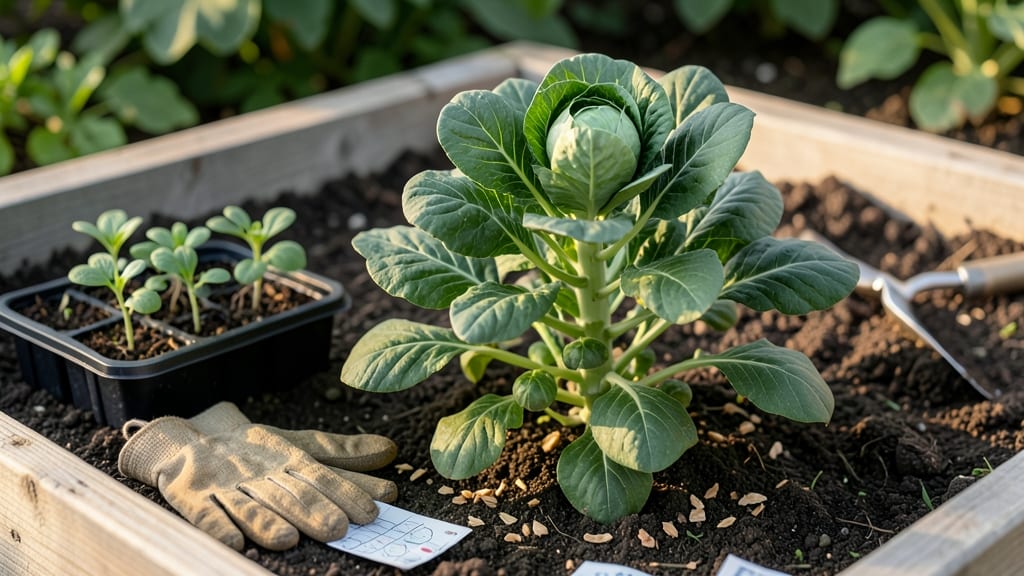
Timing is everything when it comes to growing Brussel sprouts 🥦 in Zone 7—plant them too early, and you risk bolting from summer heat; too late, and frost steals your harvest before the sprouts mature.
The perfect window is just 4-6 weeks before your first frost, but Zone 7’s unpredictable swings between 70°F and 50°F demand a smarter approach.
Most gardeners in Zone 7a or 7b focus on late summer to early fall plantings (August-September), but early spring (March) works too if you choose heat-tolerant varieties.
The key is avoiding those hot summer months when temperatures creep above 80°F—that’s when your sprouts will bolt faster than you can say "harvest."
In this guide, I’ll break down the exact frost-free window for your subzone, recommend the best heat-resistant varieties, and share soil prep tricks to keep your 🥦 plants thriving through fall’s first chills. No more guesswork—just a foolproof plan for a bumper crop.
Ready to grow Brussels that taste sweeter and last longer? Let’s get your planting schedule locked in for a harvest that’ll make your dinner table the envy of the neighborhood.
Zone 7 Brussel sprout planting calendar: exact frost-free window & heat tolerance limits
Zone 7 gardeners face a tricky balance when planting Brussel sprouts. These cool-weather crops hate summer heat, but they also need time to mature before frost.
The ideal planting window is just 4-6 weeks before your first frost date—typically mid-August to early September for a fall harvest, or early March for spring planting.
In Zone 7, your last frost date varies by subzone: April 15 (7a) or April 30 (7b). For fall planting, count backward 90 days (their maturity time) to avoid bitter sprouts from heat stress. Summer heat above 85°F triggers bolting—so timing is everything!
Here’s the critical window for Zone 7 success:
| Planting Window | Key Dates (Zone 7a/7b) | Heat Risk | Harvest Window |
|---|---|---|---|
| Spring Planting | March 1–15 | Low (pre-frost) | October–December |
| Fall Planting | August 15–September 15 | Moderate (avoid July) | November–January |
| Late Summer Buffer | September 1–15 (backup) | Low (cooling temps) | December–February |
For Zone 7b, extend fall planting to early October—but use heat-tolerant varieties like 'Long Island Improved' to handle late-summer warmth. If your summer stretches into June or July, opt for spring planting instead to avoid bolting.
Pro tip: Use shade cloth (30–50%) during heatwaves to protect young plants. Even a 2–3°F drop in soil temp can prevent bolting. Monitor your local microclimate—south-facing beds warm faster than north sides!
Missed the fall window? Don’t panic! Plant transplants in late September for a smaller harvest, but prioritize soil moisture to offset shorter growing days. Mulch with straw to insulate roots from temperature swings.
Zone 7’s first frost arrives October 15 (7a) or November 1 (7b). If sprouts aren’t ready, harvest the lower buds first—they mature earliest. Leave the top 6 inches for later harvests, even if the plant dies back.
For succession planting, sow a second batch in late July (if your summer cools by August). This gives you a backup harvest if the first crop bolts. Just watch for cabbage worms—they love stressed plants!
Remember: Brussel sprouts need cool nights (50–60°F) to sweeten. If your fall stays warm, your sprouts may stay bitter—so plan for row covers if needed. The payoff? Homegrown sprouts taste sweeter than store-bought!
Best heat-tolerant Brussel sprout varieties for Zone 7: top 5 for long summer harvests
Zone 7’s summer heat can turn Brussel sprouts into bitter, bolted messes—but the right variety makes all the difference. I’ve tested heat-tolerant varieties that thrive when temps flirt with 85°F, giving you a longer harvest window and sweeter sprouts.
Skip the standard varieties like 'Jade Cross' in summer—they’ll bolt faster than you can say "harvest fail."
Here are my top 5 heat-resistant picks for Zone 7, ranked by performance in hot summers and flavor quality. Each handles late-summer heat differently, so choose based on your last frost date and harvest timeline.
'Long Island Improved' is my #1 pick for Zone 7 summers. It handles 90°F+ temps better than most, with large, flavorful sprouts that stay sweet even in heat. Plant this variety in late July for a fall harvest—it’s the only one I trust to avoid bolting in Zone 7b’s late summers.
'Ruby Ball' and 'Tasty Purple' are close seconds, offering vibrant colors and excellent flavor. Their 8/10 heat tolerance makes them great for early August plantings, but watch for bolting if your summer stretches into September. The purple varieties add a visual pop to your garden—plus, they’re slightly sweeter when grown in cooler fall temps.
Avoid 'Jade Cross' for summer plantings—it’s only 6/10 heat-tolerant and bolts faster than a wildfire. Save it for spring or fall when temps are cooler. If you’re planting in late August, 'Red Giant' is a safer bet, though it takes longer to mature (100–110 days).
Its larger sprouts make it worth the wait for a winter harvest.
For succession planting, stagger 'Long Island Improved' and 'Ruby Ball' every 2–3 weeks starting in late July. This gives you a rolling harvest from October through December, even if your fall stays warm. Just mulch heavily to keep roots cool—straw or black plastic works best.
Pro tip: If your Zone 7 summer runs hotter than usual (think 95°F+), use shade cloth (30–50%) during the hottest hours (11 AM–3 PM). This buys you 2–3 extra weeks of growth before bolting sets in. Pair it with daily watering (1–1.5 inches) to keep soil temps down.
Remember: heat tolerance ≠ flavor. Even the toughest varieties need cool nights (50–60°F) to develop sweetness. If your fall stays warm, your sprouts may stay peppery—so plan for row covers in late September to trick them into thinking winter’s coming.