
Plants
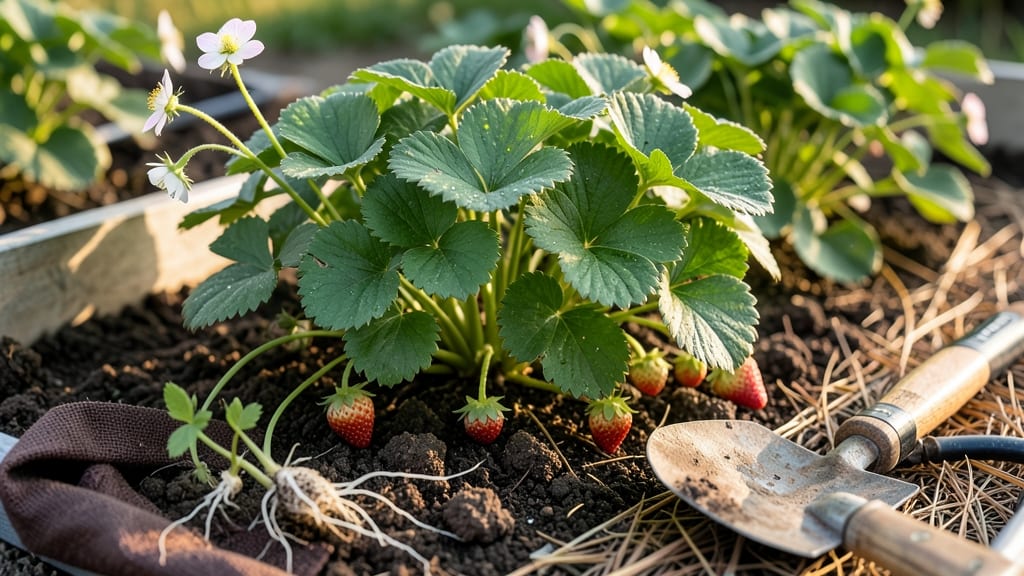
Texas strawberry planting zones: chill-hour requirements by variety
Texas’ diverse climate means not all strawberry varieties thrive equally—some need chill hours to produce fruit, while others bolt in the heat. Understanding your USDA zone (8a-10b) and variety’s chill-hour needs (300–900 hours) is critical.
In North Texas (e.g., Dallas), winter chill is abundant, but South Texas (e.g., Brownsville) rarely dips below 40°F, making some varieties unsuitable.
June-bearing strawberries (e.g., Chandler or Seascape) require 500–900 chill hours, ideal for North and Central Texas. Everbearing types like Ozark Beauty need 300–500 hours, perfect for transitional zones (e.g., Austin). Day-neutral varieties (e.g., Albionel) thrive year-round in South Texas with minimal chill.
Here’s how to match your region to the right variety for successful fruiting:
For example, Chandler strawberries (June-bearing) need 700+ chill hours, making them ideal for North Texas but risky in Houston, where winters rarely drop below 45°F. Instead, opt for Albionel (day-neutral), which produces fruit year-round with minimal chill.
Pro tip: Use a chill-hour calculator (like the one from Texas A&M AgriLife) to track your local cold snaps. Aim for 60–80°F days and 40–50°F nights post-planting to avoid heat stress.
In Central Texas (e.g., Austin), everbearing varieties like Ozark Beauty thrive with 400 chill hours, yielding fruit in spring and fall. Mulch with straw or pine needles to retain moisture and protect roots from temperature swings.
South Texas gardeners should prioritize day-neutral varieties like Seascape or Fort Laramie, which tolerate 90°F+ temperatures and produce fruit without dormancy. Plant in late fall (October–November) to establish roots before summer heat.
Always check the last frost date for your area—North Texas averages January 15**, while South Texas rarely sees frost. Plant 4–6 weeks before your local last frost to ensure strong root establishment before spring heat arrives.
Remember: Soil temperature matters too. Strawberries need soil at 55–65°F to sprout. Use a soil thermometer to confirm—cool soils delay germination, while warm soils (>70°F) can cause rot.
🌱
Frost-free deadlines & Texas planting windows: when to Start strawberries in your region
Texas’ frost-free deadlines vary wildly from North Texas to South Texas, making timing critical for strawberries. In Dallas (Zone 8a), the last frost typically hits around January 15, while Houston (Zone 9a) rarely sees frost after November 15.
El Paso (Zone 7b) can freeze as late as March, so adjust your schedule accordingly.
For fall planting, aim for late September to November—this gives roots time to establish before winter. Spring planting should occur January to February, once soil temperatures reach 40°F. Wait too long, and your plants may struggle with summer heat stress or fail to produce fruit.
📅 Texas Strawberry Planting Timeline
- 🌱 Late September – Start fall planting in North/Central Texas (soil temps: 60-70°F).
- 🍂 October-November – Ideal for South Texas (avoid frost risk).
- ❄️ January-February – Spring planting window (soil temps: 40°F+).
- ☀️ Avoid June-August – Summer heat causes root stress and poor establishment.
- 🛡️ Use row covers if planting near frost dates (e.g., El Paso’s late freezes).
Your local frost-free date is your best guide—check the National Weather Service or Texas A&M AgriLife for your county’s average. North Texas gardeners should plant 6-8 weeks before first frost, while South Texas can extend planting into early December with protection.
Extend your harvest season by using cold frames or low tunnels in winter. These create a 5-10°F warmer microclimate, protecting plants from light freezes (28-32°F). In Central Texas, this can add 2-3 extra months of fruiting compared to unprotected plants.
Pro tip: Soil temperature matters more than air temperature. Use a soil thermometer—strawberries need 40°F+ to root properly. If your soil is below 50°F, wait 1-2 weeks before planting to avoid root rot.
Remember, Texas’ unpredictable weather means flexibility is key. Always have row covers or frost cloth on hand for unexpected cold snaps, especially in March when late frosts can still occur in North Texas. 🌱