
Trees
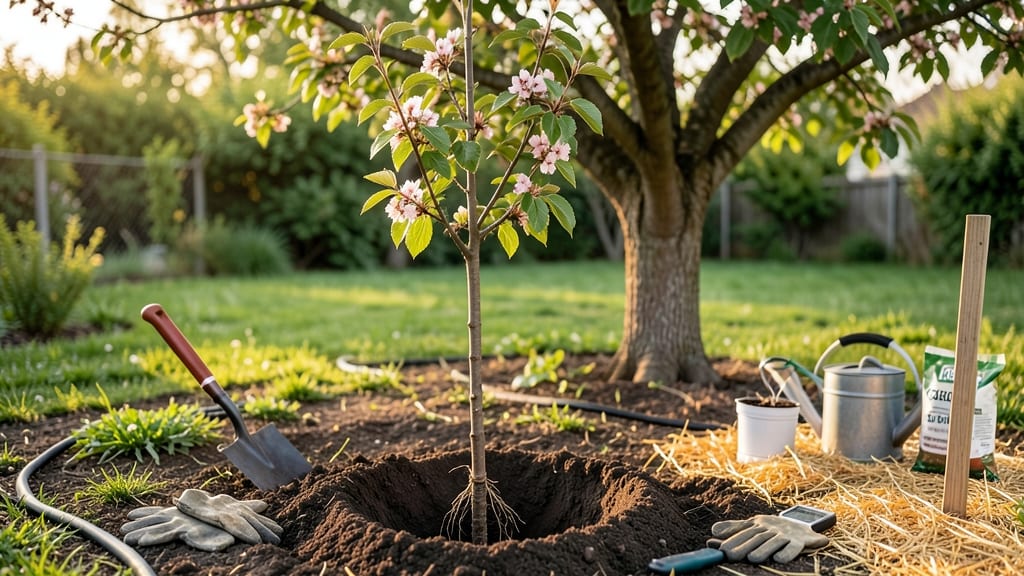
Timing your 🍒 cherry tree planting in Zone 5 can make the difference between a thriving orchard and a sad, frost-bitten sapling. Too early, and tender roots won't survive winter's bite; too late, and your tree might struggle to establish before the cold sets in.
The key lies in understanding your variety's chill-hour needs and matching them with Zone 5's short growing season.
Most Zone 5 gardeners swear by planting in early spring (April-May) or fall (September-October), but not all cherry trees are created equal. Sweet cherries need 500-1,000 chill hours to bloom properly, while tart varieties often require fewer.
This means your planting window could shift by weeks depending on what you're growing - and getting it wrong could mean no fruit next summer.
What if you could plant once and enjoy decades of sweet, juicy cherries? With the right variety selection and planting techniques, you absolutely can.
I'll show you exactly which months work best for each type, how to prepare your soil for Zone 5's unpredictable winters, and the simple tricks that'll give your cherry tree the fighting chance it needs to thrive.
From choosing between bare-root and container-grown trees to protecting your investment from late frosts, this is your complete guide to getting cherry trees right the first time in Zone 5. Let's get those roots in the ground when they'll have the best shot at success.
Best planting months for cherry trees in Zone 5 by chill-hour needs
In Zone 5, timing your cherry tree planting is critical—too early, and frost will damage tender roots; too late, and the tree won’t establish before winter. The key lies in chill-hour requirements, which dictate when your tree can break dormancy and bloom reliably.
Most sweet cherries need 500–1,000 chill hours, while tart cherries often require 400–600 hours. Zone 5 typically accumulates these hours between November and March, so planting in early spring or fall aligns with this natural cycle.
For spring planting, aim for April or early May, once soil temperatures rise above 40°F (4°C) and frost danger has passed.
This gives roots 6–8 weeks to establish before summer heat. Fall planting is equally viable if done 6–8 weeks before your first frost (usually mid-September to early October in Zone 5). Fall-planted trees benefit from cooler temps and winter moisture to strengthen roots before spring growth.
Your cherry tree variety plays a huge role in timing. Sweet cherries, like Stella® or Lapins®, thrive with 900–1,000 chill hours, so plant them in early spring to avoid late-winter frosts that can damage blossoms. Tart cherries, such as Montmorency or Balaton, need fewer chill hours (400–600) and can handle fall planting more easily. Sour cherries, like Morello, fall in between with 500–700 chill hours.
Here’s a quick rule of thumb: If your last frost date is mid-May, plant bare-root trees in April or container-grown trees in late April to early May.
For fall, count backward from your first frost date—6 weeks out is your target. This ensures roots have time to harden off before winter dormancy begins.
🌱
| Variety Type | Chill Hours Needed | Best Planting Window | Key Consideration |
|---|---|---|---|
| Sweet Cherries | 900–1,000 hours | Early spring (April) | Bloom timing risks frost damage |
| Tart Cherries | 400–600 hours | Fall (Sept–Oct) or early spring | More frost-resistant blossoms |
| Sour Cherries | 500–700 hours | Fall (Sept) or late spring | Balanced chill needs for Zone 5 |
| Dwarf Varieties | 500–800 hours | Container planting: May–June | Smaller root zone, plant later |
🌿 Pro Tip: Test soil temperature with a soil thermometer—ideal planting temps are 50–60°F (10–15°C).
If you’re planting bare-root cherry trees, prioritize fall planting—roots establish more easily in cool soil, and the tree enters dormancy naturally. For container-grown trees, spring is safer to avoid transplant shock during winter.
Always soak roots in water for 1–2 hours before planting to rehydrate them, especially if buying dormant bare-root stock.
Zone 5’s short growing season means you’ll want to choose varieties with early maturity (e.g., Stella® sweet cherry or Montmorency tart cherry). These types produce fruit 2–3 years after planting, giving you a head start on harvests.
Pair your planting date with well-draining soil and a south-facing location to maximize sunlight exposure—critical for fruit development.
One common mistake in Zone 5 is planting too late in spring, which delays root growth and reduces winter hardiness. If you miss the April–May window, opt for container planting in June (though yields may be lighter the first year).
For fall plantings, mulch heavily with straw or wood chips to insulate roots—this is non-negotiable in Zone 5’s harsh winters.
🌳
Remember, cherry trees are long-term investments—proper timing now means decades of fruit with minimal stress. Whether you choose sweet, tart, or sour cherries, aligning planting with chill-hour accumulation and frost-free windows is your best bet for success. Next, we’ll dive into <
Best planting months for cherry trees in Zone 5 by chill-hour needs
In Zone 5, the best time to plant cherry trees depends on whether you choose spring or fall planting. Both windows offer advantages, but timing must align with chill-hour requirements—most cherry varieties need 400–1,000 hours below 45°F to bloom properly.
Spring planting (April–May) gives roots time to establish before summer heat, while fall planting (September–October) allows roots to grow in cool soil before dormancy.
For sweet cherries, like Stella® or Lapins, aim for fall planting (late September) when soil temps drop below 60°F.
These varieties thrive with 500–700 chill hours and need 6–8 weeks of root establishment before winter. Tart cherries, such as Montmorency, tolerate 800–1,000 chill hours and can handle spring planting in April after the last frost.
Zone 5’s first frost typically arrives by mid-October, so fall planting must occur 4–6 weeks before frost. If you miss this window, opt for bare-root trees in early spring (April) when soil thaws.
Avoid planting in late fall or winter, as frozen soil prevents root growth, leading to poor establishment and winter dieback.
| Variety | Chill Hours | Best Planting Window | Root Establishment Time |
|---|---|---|---|
| Sweet Cherries (Stella®, Lapins) | 500–700 | Late September (fall) | 6–8 weeks |
| Tart Cherries (Montmorency, Meteor) | 800–1,000 | April (spring) or early fall | 8–10 weeks |
| Sour Cherries (Balaton) | 400–500 | April–May (spring) | 4–6 weeks |
🌱 Pro Tip: Test soil temperature with a soil thermometer—ideal planting temps are 40–60°F.
Soil temperature is critical: warm soil (>60°F) can shock roots, while cold soil (<40°F) stunts growth. In Zone 5, fall-planted trees benefit from cool soil that encourages root growth without stress.
If planting in spring, wait until after the last frost (typically mid-May) and before bud break to avoid transplant shock.
Container-grown cherry trees can be planted anytime soil isn’t frozen, but bare-root trees (sold dormant) are best planted in fall or early spring. Soak bare roots in water for 1–2 hours before planting to rehydrate them.
Space trees 15–25 feet apart to allow airflow and reduce disease risk from fungal infections like cherry leaf spot.
After planting, mulch heavily (3–4 inches) with wood chips or straw to retain moisture and insulate roots. Water deeply once a week during the first year to encourage deep root growth.
With the right timing and care, your cherry tree will reward you with abundant blooms and fruit in just a few years! 🌳