
Plants
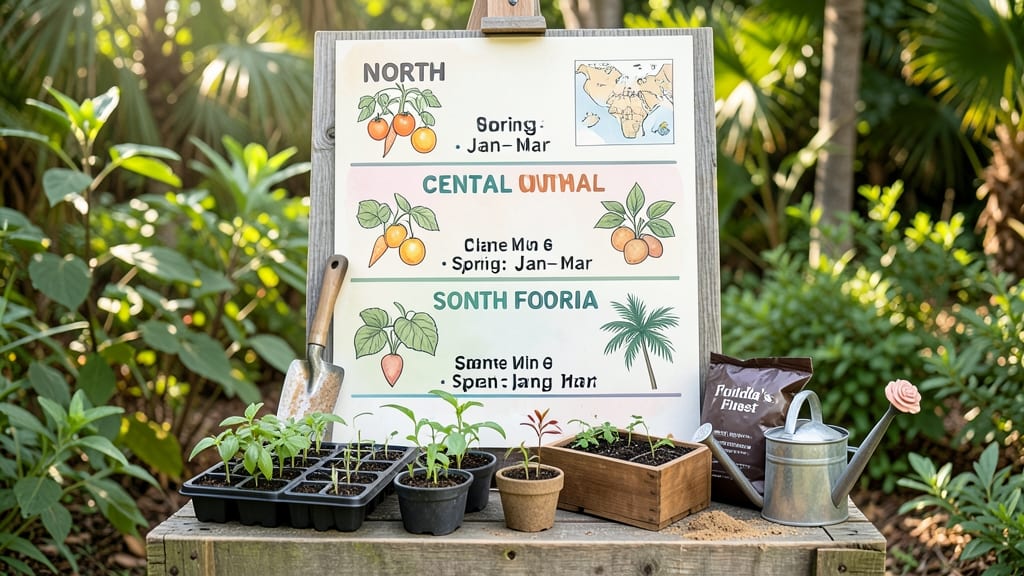
Florida heat zones explained: how climate dictates planting months
Florida’s gardening success hinges on understanding its 11 heat zones (A1–B3), which dictate when to plant everything from cool-season greens to heat-loving tomatoes.
Unlike other states, Florida’s zones focus on heat tolerance rather than frost dates—meaning some areas like Zone 10B (South Florida) can grow year-round, while Zone 8A (North Florida) faces occasional light frosts. The key? Aligning your planting schedule with your zone’s average last frost date and peak summer heat (June–September).
For example, Zone 9A (Central Florida) has a last frost date around February 15, giving you a 120-day growing window for cool-season crops like broccoli and lettuce before summer’s heat sets in.
Meanwhile, Zone 11 (Key West) enjoys no frost risk, allowing tropical plants like sweet potatoes and okra to thrive year-round. The trick is knowing which crops bolt (go to seed prematurely) in your zone—like spinach in Zone 10A during April’s heat.
Here’s how to use this guide: Find your heat zone (check the USDA Plant Hardiness Zone Map or Florida-specific tools like the UF/IFAS Heat Zone Map), then match it to the optimal planting windows below.
Pro tip: Succession planting (staggering sowings every 2–3 weeks) extends harvests and avoids bolting in Florida’s unpredictable spring and fall transitions.
🌱
| Heat Zone | Avg. Last Frost | Best Planting Windows | Avoid Planting | Zone Notes |
|---|---|---|---|---|
| Zone 8A (North FL) | Feb 15 | Feb–Apr (cool crops), Aug–Sept (heat crops) | May–July (bolting risk) | Light frosts possible; use row covers. |
| Zone 9A (Central FL) | Jan 31 | Jan–Mar, Sept–Nov | June–Aug (extreme heat) | Humidity spikes in summer; mulch heavily. |
| Zone 10A (South FL) | No frost | Year-round (succession plant) | July–Aug (monsoons) | Tropical crops thrive; use shade cloth. |
| Zone 11 (Key West) | No frost | Year-round (shade for summer) | None (but hurricane prep needed) | Salt tolerance critical; drip irrigation essential. |
North Florida’s Zone 8A gardeners must act fast—cool-season crops like kale and carrots bolt by late April, while tomatoes and peppers thrive when planted in late summer (August) to avoid the June–July heatwave.
In contrast, Zone 10A (Orlando/Tampa) can grow lettuce in December and spinach in February, but these crops will bolt if planted in April’s 90°F+ heat. The solution? Shade cloth (30–50% coverage) buys you 2–4 extra weeks of cool-season planting in hotter zones.
For Zone 9B (Gainesville/Ocala), the spring planting window (February–March) is ideal for broccoli and cabbage, but by May, even heat-tolerant greens like collard greens struggle. My trick? Direct-sow seeds in late summer (September) for a fall harvest before the first light frost (rare but possible).
Use black plastic mulch to warm soil for tomatoes and eggplants in these zones.
South Florida’s Zone 10B and Zone 11 offer the most flexibility, but monsoon season (June–August) brings downpours and humidity, which can cause fungal diseases in susceptible plants like cucumbers.
Here, succession planting every 2 weeks ensures a steady supply of bush beans or okra—both of which thrive in heat. Avoid planting squash in July unless you’re prepared for squash vine borers, which peak during Florida’s summer rains.
🌡️
Pro Tip: Use Florida’s 180-day rule—if your crop needs 90 days to mature, plant it 90 days before your zone’s first expected frost (or 90 days before summer’s peak heat for heat-lovers). For example, in Zone 8A, plant tomato seeds indoors in March and transplant April 15 for a July harvest before the August heat sets in. In Zone 10A, you can plant
Best plants to grow in each Florida heat Zone (with zero bolt risk)
Florida’s 11 heat zones create wildly different growing conditions—from North Florida’s chilly winters to South Florida’s year-round warmth. The right plants in the right zone mean zero bolt risk for lettuce and no wilting before harvest. Let’s match your garden to your zone’s strengths.
In North Florida (Zones 8A–9A), cool-season crops like broccoli, cabbage, and kale thrive from October to March. These hardy greens bolt only if temperatures creep above 75°F, so plant them 6–8 weeks before the first frost (usually mid-November in Zone 8A).
For Zone 9A, extend the season with cold-hardy varieties like ‘Winterbor’ kale or ‘Presto Purple’ broccoli.
South Florida’s Zones 10A–11 (think Miami and Key West) let you grow tropical crops year-round, but even here, heat-sensitive plants like basil and spinach need shade cloth during June–September.
Opt for okra, sweet potatoes, and eggplant—these handle 90°F+ temps without bolting. My Zone 10B garden stays productive all year with succession plantings of bush beans every 2 weeks.
Pro Tip: Use succession planting to beat bolting. For example, sow lettuce every 2 weeks in Zone 9A—start with ‘Black Seeded Simpson’ in September, then switch to ‘Jericho’ (heat-tolerant) in May. This keeps your salad bowl full without risking bitter, bolted leaves. In Zone 11, Malabar spinach grows wild in summer while regular spinach bolts in May’s 85°F heat.
For herbs, mint and cilantro are cool-season stars in North Florida but bolt instantly in South Florida’s heat. Instead, grow Mexican tarragon or Thai basil—they thrive in Zone 10B’s summer sun.
My Zone 9A rosemary stays lush all year, but I prune it back in July to prevent heat stress. Even perennials need zone-specific care!
Avoid these mistakes: Planting tomatoes in Zone 10A during August (they’ll sizzle) or cucumbers in Zone 8A after May (they’ll bolt). Instead, time it right: Tomatoes go in March–April (North) or September–October (South), while cucumbers love June–July in Zone 9A+. A planting calendar (coming next!) will spell it all out.