
Plants
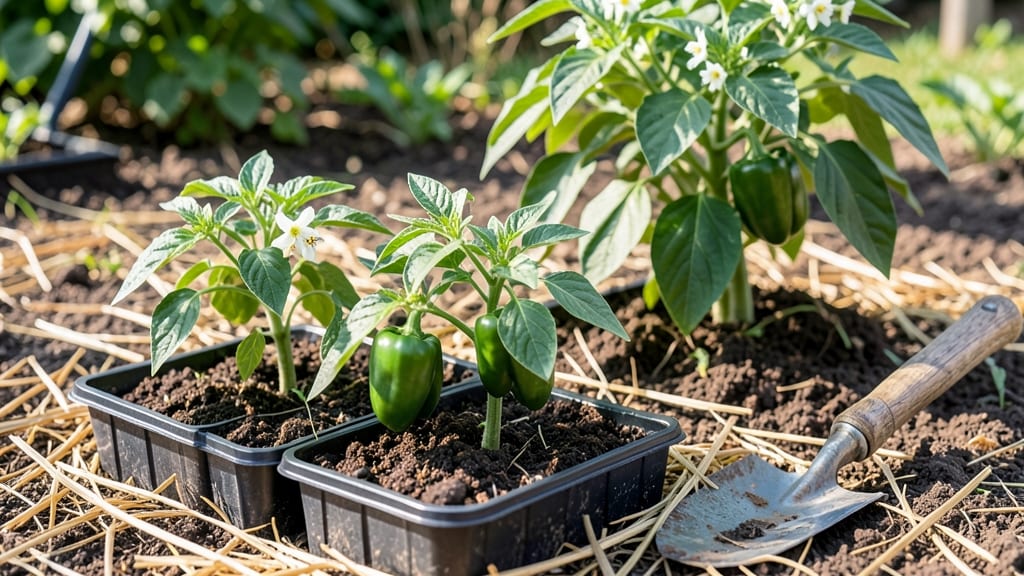
Optimal bell pepper planting windows by South Florida microclimate zones
South Florida’s frost-free climate means you can grow bell peppers year-round—but timing still matters to avoid bolting or heat stress. The key is planting when soil temperatures hit 65°F+ and daytime highs stay below 90°F for optimal germination and fruit set.
Here’s your microclimate-specific planting schedule for Miami-Dade, Palm Beach, and Collier counties.
For Miami-Dade County (Zone 10b-11), the best windows are late January to early March and late August to early October. This avoids the hottest summer months (June–July) when peppers struggle with heat stress and blossom-end rot.
In Palm Beach County (Zone 10a-11), shift planting 1–2 weeks later to align with slightly cooler coastal breezes.
Collier County (Zone 10a) gardeners should focus on February–March and September–early October, as inland heat builds faster. Pro tip: Use shade cloth (30–50%) during peak summer to protect seedlings from intense UV rays and drying winds.
🌱
| Microclimate Zone | Best Planting Windows | Soil Temp Requirement | Avoid These Months | Method |
|---|---|---|---|---|
| Miami-Dade (Zone 10b-11) | Late Jan–Early Mar Late Aug–Early Oct |
65°F+ | June–July (heat stress) | Transplants or seeds |
| Palm Beach (Zone 10a-11) | Late Feb–Early Apr Late Aug–Early Sept |
65°F+ | May–June (humidity spike) | Transplants preferred |
| Collier (Zone 10a) | Feb–Mar Sept–Early Oct |
68°F+ (warmer inland) | April–May (extreme heat) | Seeds or early transplants |
🌡️ Soil temp tip: Use a soil thermometer to confirm readiness—65°F+ is non-negotiable for germination.
If you’re direct sowing seeds, start 4–6 weeks before your zone’s ideal window to give seedlings time to harden off. For example, Miami gardeners should sow seeds by mid-December for a January transplant. Transplants (from nurseries) can go in 2–3 weeks earlier since they’re already established.
For year-round success, stagger plantings every 2–3 weeks to ensure a continuous harvest. This works especially well for fall-winter crops planted in September–October, which thrive in South Florida’s cool, dry season.
Just avoid planting near holiday season (Dec), when humidity spikes can trigger fungal diseases like early blight.
💧 Watering hack: Use drip irrigation or soaker hoses to keep soil consistently moist without wetting foliage—critical for disease prevention in our humid climate.
One common mistake? Planting too late in summer (after mid-August) without shade. By September, daytime temps can still hit 90°F+, stressing young plants. Solution: Use black plastic mulch to warm soil faster in spring or reflective mulch to cool roots in summer.
🌿 Pro tip: Test your soil’s pH (6.0–6.8) before planting—bell peppers hate acidity and may develop nutrient deficiencies if pH drops below 6.0. Amend with lime if needed.
How to adjust planting for South Florida’s unpredictable weather patterns
South Florida’s unpredictable weather can turn your bell pepper dreams into nightmares—sudden cold snaps, hurricane delays, and scorching heatwaves all threaten your harvest. The key is proactive adjustments to keep your peppers thriving despite Mother Nature’s mood swings.
Start by monitoring soil temperatures; bell peppers need 65°F+ soil to germinate properly, but even then, a 50°F night can stunt growth.
For cold snaps, use row covers or black plastic mulch to insulate soil and protect seedlings. These barriers trap heat during the day and release it slowly at night, keeping roots warm.
If temperatures drop below 55°F, consider moving potted peppers under a shade cloth or even indoors near a sunny window until danger passes. Hurricane season (June–November) adds another layer of chaos—plan to transplant seedlings at least 6 weeks before storms to ensure they’re established before delays hit.
Prolonged heat above 90°F causes bolting (premature flowering) and bitter peppers. Use 50% shade cloth during peak sun (11 AM–3 PM) to lower canopy temps by 10–15°F. Water deeply in the early morning to prevent stress.
If your planting window shifts due to weather, adjust your schedule by 2–4 weeks rather than scrapping the season. For example, if a cold front delays your February planting, shift to March and use heat-loving varieties like ‘Jupiter’ or ‘Aristotle.’
These types tolerate 95°F+ better than standard peppers. Always keep a backup batch of seedlings ready to replant if storms or pests strike.
For extended heatwaves, prioritize mulching with straw or wood chips to retain moisture and cool roots. Avoid overhead watering, which can spread fungal diseases like anthracnose in humid conditions.
Instead, use drip irrigation to deliver water directly to the soil. This method also reduces evaporation by up to 30%, keeping peppers hydrated without waste.
Don’t forget to rotate crops annually to prevent soil-borne diseases from building up. Since bell peppers are part of the nightshade family, avoid planting them where tomatoes, eggplants, or potatoes grew the previous year.
Instead, follow them with legumes (beans, peas) or leafy greens (lettuce, spinach), which improve soil health. This simple swap cuts disease risk by 50% and keeps your garden productive year-round.
Finally, harvest strategically during unpredictable weather. If a storm is forecasted, pick mature peppers first to avoid wind damage. Store them in a cool, dry place (50–55°F) for up to 2 weeks while waiting for safer conditions to replant.
By combining weather awareness with these adjustments, you’ll turn South Florida’s chaos into a bell pepper bonanza.