
Plants
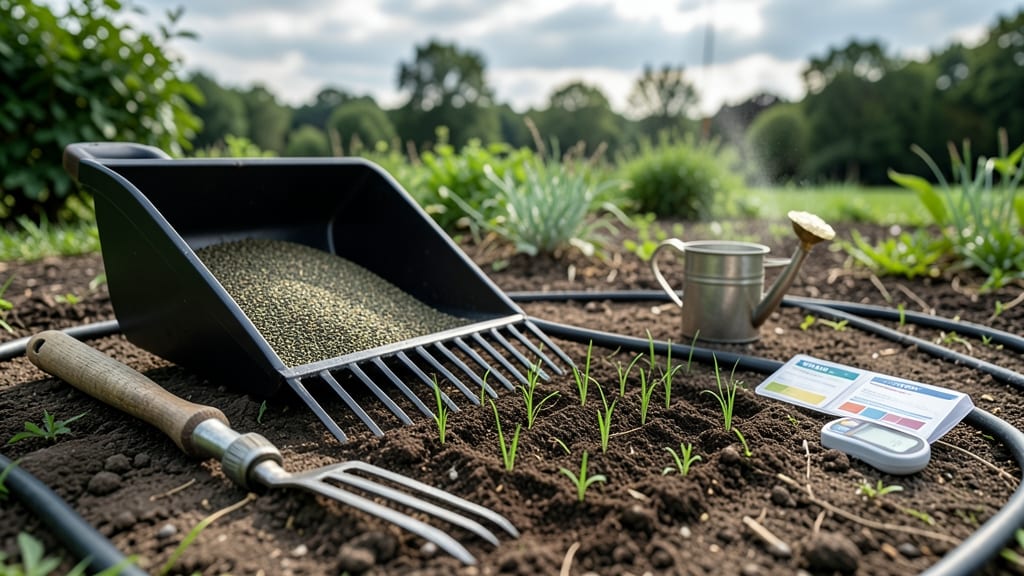
If you’ve ever wondered when is the best time to plant grass in Pennsylvania, only to watch it wither under late spring frosts or struggle through summer heat, you’re not alone. The ideal window?
Early spring (after frost risk) or early fall (before the first freeze)—but timing varies 1-2 weeks between PA’s 6a-7a zones. Here’s the truth: Planting too early can leave your 🌱 grass vulnerable to frost, while waiting too long risks summer drought stress.
Let’s break down exactly when to start in your corner of the state. You’ll discover how to check soil temps (yes, it matters!), pick the right grass type for your microclimate, and avoid the 5 biggest mistakes that kill lawns before they even begin.
Whether you’re seeding a new yard or overseeding an old one, these zone-specific deadlines will give you the fastest, most reliable results. Ready to skip the guesswork?
We’ll cover soil prep, seed selection, and post-planting care tailored to Pennsylvania’s unpredictable weather—so you can finally enjoy that lush, green lawn without the trial and error.
Pennsylvania grass planting deadlines by USDA hardiness zones (5b to 6b)
Pennsylvania spans USDA Hardiness Zones 5b through 6b, meaning planting windows vary by region. The ideal soil temperature for grass seed germination is 55-65°F, which typically occurs in early spring (March-April) and early fall (September-October). Planting outside these windows risks frost damage or dormancy.
In Zone 5b (northern PA), the last frost date averages May 10, while Zone 6b (southern PA) sees frost-free conditions by April 15. Fall planting should finish 4-6 weeks before the first frost, which occurs October 15-30 depending on elevation.
Use a soil thermometer to confirm readiness—55°F signals it’s safe to plant. If temperatures fluctuate, opt for cool-season grasses like tall fescue or Kentucky bluegrass, which tolerate 40-50°F soils better than warm-season varieties.
Spring planting offers faster germination (3-4 weeks) but requires consistent moisture during dry spells. Fall planting benefits from cooler temps and fewer weeds, with roots establishing before winter dormancy.
Missed the window? Sod installation works year-round but thrives best in spring or early fall. For seed, late August is the last safe bet in most of PA.
| Zone | Spring Window | Fall Window | Soil Temp | Grass Type |
|---|---|---|---|---|
| Zone 5b (Erie, Scranton) | April 15 – May 10 | September 1 – October 1 | 55-65°F | Tall fescue, Kentucky bluegrass |
| Zone 6a (State College) | March 20 – April 20 | September 15 – October 15 | 55-65°F | Fine fescue, Perennial ryegrass |
| Zone 6b (Pittsburgh, Harrisburg) | March 1 – April 10 | September 20 – October 20 | 55-65°F | Bermuda grass (warm-season) |
⚠️ Pro Tip: Check your local frost dates via the Penn State Ag Extension for precise timing.
For high-elevation areas (e.g., Poconos), delay planting until after May 1 due to late snowmelt. In urban heat islands (e.g., Philadelphia), soil warms earlier—monitor weekly for readiness.
Always test soil pH (ideal: 6.0-7.0) before planting. Clay-heavy soils (common in central PA) benefit from gypsum or compost to improve drainage.
If you’re unsure about your zone, use the USDA Plant Hardiness Zone Map or ask your local county extension office for a free soil test.
Timing isn’t just about dates—it’s about soil conditions, grass type, and local climate. With the right prep, your Pennsylvania lawn can establish in 3-4 weeks instead of months.
How to adjust planting time for Pennsylvania’s microclimates (mountains vs. Pittsburgh vs. Erie)
Pennsylvania’s diverse geography means your grass planting window can vary dramatically depending on whether you’re in the Allegheny Mountains, Pittsburgh’s urban heat islands, or Erie’s lake-effect zone.
These microclimates create unique soil temperatures and frost risks, so one-size-fits-all advice won’t cut it. Let’s break down how to time your planting for each region’s quirks.
In the Allegheny Mountains (USDA Zone 5b), cooler temperatures and later frosts push your ideal planting window to late April through early June or mid-September to early October.
High elevations can delay soil warming by 2-3 weeks compared to lower areas, so always check soil temps with a soil thermometer—aim for 55-65°F at 4 inches deep before seeding.
| Region | Ideal Planting Window | Key Consideration | Soil Prep Tip |
|---|---|---|---|
| Allegheny Mountains (Zone 5b) | Late April–Early June Mid-Sept–Early Oct |
Cooler soils; late frosts | Add compost to warm soil faster |
| Pittsburgh (Zone 6a) | Early April–Mid-May Late Aug–Mid-Sept |
Urban heat islands; faster soil warming | Test for compacted soil; aerate if needed |
| Erie (Zone 6b) | Mid-April–Late May Early Sept–Early Oct |
Lake-effect cooling delays spring | Use mulch to retain moisture |
Pittsburgh’s urban heat islands can make soil warm up 1-2 weeks earlier than rural areas, so your window shifts to early April through mid-May for spring planting. However, compacted soil is common in cities, so aerate before seeding to improve water absorption.
For fall, aim for late August to mid-September—just before the first frost hits.
Erie’s proximity to Lake Erie creates a unique lake-effect microclimate, where cooler lake breezes can delay soil warming. Plant in mid-April to late May for spring, giving seeds time to establish before summer heat arrives.
In fall, early September to early October works best, as lake breezes can bring unexpected frosts by late October. Always choose cool-season grasses like Kentucky bluegrass or tall fescue for Erie’s unpredictable shifts.
No matter your location, soil type plays a huge role. Pennsylvania’s clay-heavy soils (common in central PA) drain poorly, while sandy soils (near Erie) dry out fast. Amend clay with sand and compost, and mix organic matter into sandy soils to retain moisture.
A simple percolation test—dig a 6-inch hole, fill with water, and time how long it drains—will tell you if adjustments are needed.
Pro tip: Use a frost calendar from your local Penn State Extension office to pinpoint your exact last frost date. For example, State College (Zone 5b) averages April 20 for last frost, while Philadelphia (Zone 7a) hits April 10.
Planting 4-6 weeks before these dates gives seeds time to germinate before summer heat or winter chill sets in.