
Trees
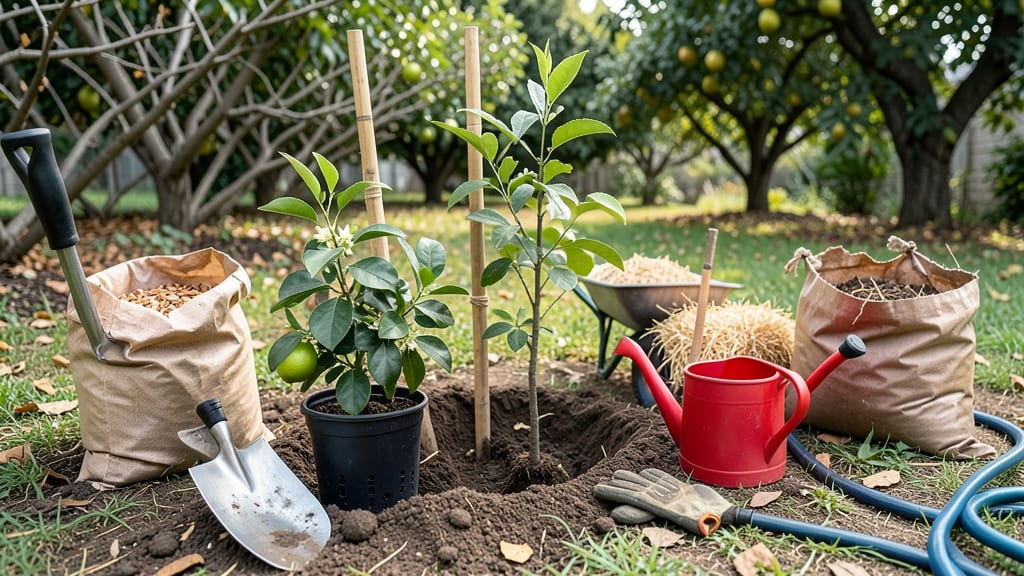
Timing your fruit tree planting in California wrong could mean the difference between a thriving orchard and a sad investment that never bears fruit. The state’s dramatic climate shifts—from coastal fog to Central Valley heat—make the perfect window more than just a seasonal guess.
Most gardeners in USDA Zones 8-10 (and even the cooler foothills) swear by late fall to early spring, but citrus in Zone 10 can go in year-round. The key? Matching your tree’s chill-hour needs to your microclimate—whether you’re battling frost in the Sierra foothills or baking heat in the desert.
I’ll break down the exact months to plant for each variety, from frost-sensitive avocados to cold-hardy apples, so you avoid common pitfalls like summer stress or winter dieback. Ready to turn your backyard into a fruit-bearing paradise? Let’s get started.
With the right timing, your 🍎 fruit trees won’t just survive—they’ll thrive, producing harvests for years. Here’s how to nail it down for your specific corner of California.
California fruit tree planting Zones by chill hours: exact timing for each variety
California’s diverse climate means the best planting time for fruit trees depends entirely on chill hours and microclimate. Most deciduous fruit trees (like apples and peaches) need dormancy periods to set fruit, while citrus and olives thrive year-round in frost-free zones.
Let’s break down the optimal planting windows by chill-hour requirements and region.
For low-chill varieties (0-300 hours), such as lemon, orange, and olive trees, you can plant almost anytime in Zone 10 (coastal and desert areas). However, bare-root trees still establish best in cool months (November-February) to minimize transplant shock.
In moderate-chill zones (300-700 hours), like the Central Valley, peaches, plums, and nectarines should go in the ground from November to March.
High-chill varieties (700+ hours), such as apples, pears, and cherries, are best planted in Northern California (Zone 7-8) during late fall to early winter (October-December). These trees need cold dormancy to break bud dormancy and set fruit. Planting too late risks root stress before winter rains arrive.
Here’s how chill hours directly impact planting timing:
| Fruit Type | Chill Hours Needed | Best Planting Window | California Zones | Key Consideration |
|---|---|---|---|---|
| Citrus (Lemon, Orange, Grapefruit) | 0-200 | Year-round (Zone 10) Nov-Feb (Zone 9) |
9-10 (Coastal/Desert) | Avoid frost; use drip irrigation. |
| Stone Fruits (Peach, Plum, Apricot) | 300-600 | Nov-Mar (Zone 8-9) Oct-Dec (Zone 7) |
7-9 (Central Valley) | Plant before first frost; mulch heavily. |
| Pome Fruits (Apple, Pear) | 700-1000 | Oct-Dec (Zone 7-8) | 5-7 (Foothills) | Choose dwarf varieties for smaller spaces. |
| Avocado | 150-300 | Year-round (Zone 10) Feb-Apr (Zone 9) |
9-10 (Coastal) | Needs well-draining soil; avoid waterlogging. |
| Fig | 0-500 | Feb-Apr (Zone 8-10) | 7-10 (Statewide) | Tolerates partial shade; great for containers. |
For bare-root trees, the dormant season (November-February) is ideal because roots are less susceptible to transplant shock. In Zone 10, where frost is rare, you can plant container-grown trees almost anytime, but spring (March-April) gives them time to establish before summer heat arrives.
One critical mistake I see is planting high-chill varieties in Southern California. For example, a Honeycrisp apple tree (requiring 800+ chill hours) won’t thrive in Zone 9—it’ll leaf out but fail to fruit. Instead, opt for low-chill apples
How to adjust planting time for California’s microclimates: coastal vs. valley vs. desert
California’s microclimates create unique challenges for fruit tree planting. Coastal areas like San Francisco experience foggy winters and mild summers, while the Central Valley swelters in summer heat and freezes in winter.
Meanwhile, desert regions like Palm Springs offer frost-free growing year-round. Adjusting your planting window based on these conditions ensures your tree thrives.
In coastal regions (USDA Zones 9-10), where chill hours are limited, plant citrus and avocado trees in late winter (February-March) to avoid summer drought stress. The foggy marine layer extends dormancy, so delay planting until temperatures consistently stay above 50°F at night.
Coastal areas also benefit from container planting to protect roots from salt spray.
For Central Valley growers (Zones 8-9), the key is planting bare-root trees in late fall (November-December) when soils are cool but not frozen.
This allows roots to establish before spring heat spikes and summer drought. Peach and plum trees with 300-600 chill hours need this early start to break dormancy properly. In high-desert areas (Zone 7), extend the window to early spring (March-April) to avoid late frosts.
🌡️ Microclimate Planting Adjustments
- Coastal (Zones 9-10): Plant citrus/avocado in Feb-Mar; avoid summer drought
- Central Valley (Zones 8-9): Bare-root trees in Nov-Dec; container-grown in Jan-Feb
- Desert (Zone 10+): Year-round planting; prioritize shade and irrigation
💡 Pro Tip: Test soil 3 months before planting—coastal soils often need amendments for drainage, while valley soils may require organic matter.
Desert regions like Riverside or Palm Springs (Zone 10-11) offer the most flexibility, with year-round planting possible for low-chill varieties. However, summer heat (100°F+) makes June-August planting risky.
Opt for container-grown trees and provide drip irrigation to prevent root shock. Olive trees and figs thrive here with minimal chill hours, while peach trees require careful selection of low-chill cultivars.
Regardless of your microclimate, soil preparation is critical. Coastal areas often have sandy, acidic soils that need compost and lime, while valley soils benefit from gypsum for clay or peat moss for sandy patches.
Always water deeply before planting—especially in desert zones—to help roots establish in dry conditions. Mulch with wood chips to retain moisture and regulate soil temperature.
Remember, container planting extends your options. In frost-prone areas, move potted trees to protected locations during winter. For desert heat, provide afternoon shade cloth until roots establish.
With the right adjustments, your fruit tree can thrive in any California microclimate—whether you're battling coastal fog, valley heat, or desert sun.