
Plants
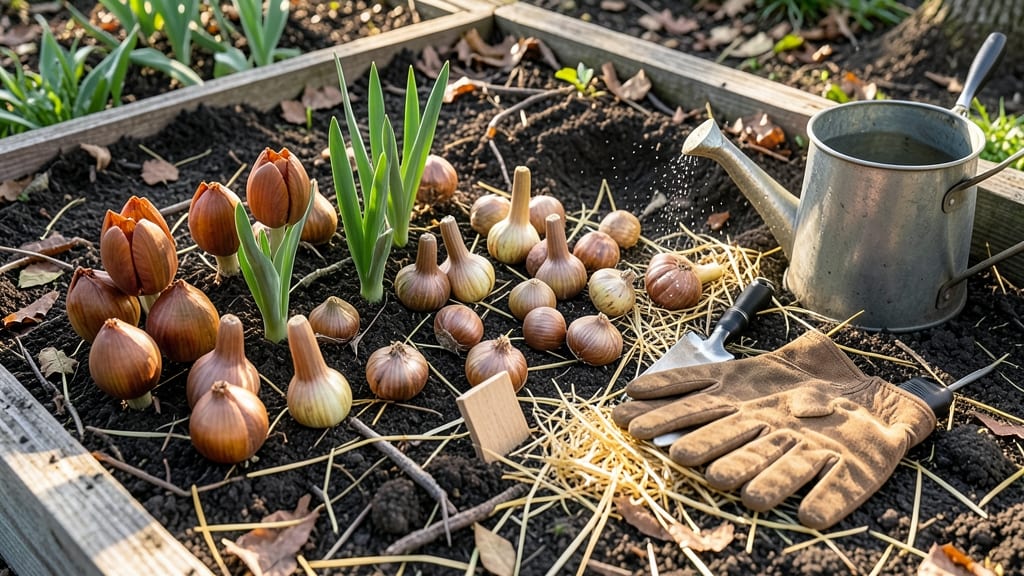
Timing your bulbs (General) 🌱 planting just right in fall could mean the difference between a garden bursting with spring color and a wasted investment. Too early, and your bulbs might sprout before winter; too late, and frost could damage them before they establish roots.
In USDA Zone 6a, where I garden, the sweet spot is 4-6 weeks before the first frost—typically late September through early November. This window gives bulbs enough time to root deeply before the ground freezes solid, setting them up for stunning blooms next year.
But here’s the catch: regional climate and soil conditions play a huge role. If you’re in a milder zone, you might have a few extra weeks, while colder areas need to plant sooner. Let’s break down exactly how to nail your planting schedule for foolproof results.
You’ll also discover how to prep your soil, choose the right bulbs for your zone, and avoid common pitfalls that even experienced gardeners fall for. By the end, you’ll know exactly when—and how—to plant for a showstopping spring display.
Fall bulb planting timeline by USDA hardiness Zones: exact months for success
Timing is the single most critical factor for fall bulb success. Plant too early, and bulbs may sprout prematurely in warm soil; too late, and frost will kill them before roots establish.
The ideal window is 4-6 weeks before your first hard frost, but this varies dramatically by USDA zone and local climate.
Most gardeners in Zones 3-5 should aim for mid-September to early October, while Zones 6-8 can plant until late October or November. In Zones 9-10, where winters are mild, you can even plant into December—just ensure soil temps stay above 40°F (4°C).
Here’s the zone-specific breakdown you need to nail your planting window:
For accurate local timing, check your average first frost date (use the USDA Plant Hardiness Zone Map) and count backward. For example, if your frost date is November 15, aim to plant by October 15 in Zone 5.
One common mistake is planting too late in warmer zones. In Zone 9, bulbs planted in December may sprout too early and get fried by winter heat. Always prioritize soil temperature over calendar dates—use a soil thermometer to confirm temps are below 60°F (15°C).
Pro tip: Pre-chill bulbs for 4-6 weeks in your fridge’s crisper drawer if planting early in hot climates. This mimics winter conditions and prevents premature sprouting.
After planting, mulch heavily with 4-6 inches of straw or leaves to protect bulbs from temperature swings. In Zone 3, this can mean the difference between survival and freeze damage.
Remember: Bulbs need cold to bloom. If you live in a mild-winter zone (like Zone 10), consider artificial chilling or choose tender bulbs like caladiums that don’t require dormancy.
Now that you’ve got your zone-specific timeline, your bulbs are one step closer to springtime glory—just don’t skip the soil prep or planting depth next! 🌱
Fall bulb planting timeline by USDA hardiness Zones: exact months for success
Timing your fall bulb planting depends entirely on your USDA hardiness zone. Plant too early, and bulbs may sprout before winter; too late, and they won’t establish roots before the ground freezes.
Aim for 4-6 weeks before your first frost date—this window ensures bulbs root deeply but don’t emerge prematurely.
In Zones 3-5, where winters are harsh, plant bulbs between mid-September and mid-October. For Zones 6-7, extend your window to October through November, as milder winters allow later planting.
Meanwhile, Zones 8-10 can plant as late as December, but avoid planting when soil temperatures drop below 60°F.
Check your local frost dates and adjust your schedule accordingly. For example, in Zone 6a, where I garden, I plant most bulbs by October 15 to ensure they root before the ground freezes in mid-November.
Use a soil thermometer to confirm temperatures—bulbs need 4-6 weeks of cool soil (below 60°F) to thrive.
Pro tip: If your fall is unusually warm, delay planting until late October to avoid early sprouting. Conversely, if early frosts threaten, plant crocuses and snowdrops first—they’re the hardiest and can handle colder soil.
Once planted, mulch heavily with straw or leaves to insulate bulbs from freeze-thaw cycles, which can damage emerging roots. In Zones 3-5, add 4-6 inches of mulch; in milder zones, 2-3 inches suffices.
This simple step can mean the difference between vibrant blooms and rotten bulbs next spring.
Remember: The goal is to mimic the natural wild bulb cycle. In nature, bulbs plant themselves in fall, then lie dormant until spring. Recreate those conditions, and your garden will reward you with years of effortless beauty.