
Plants
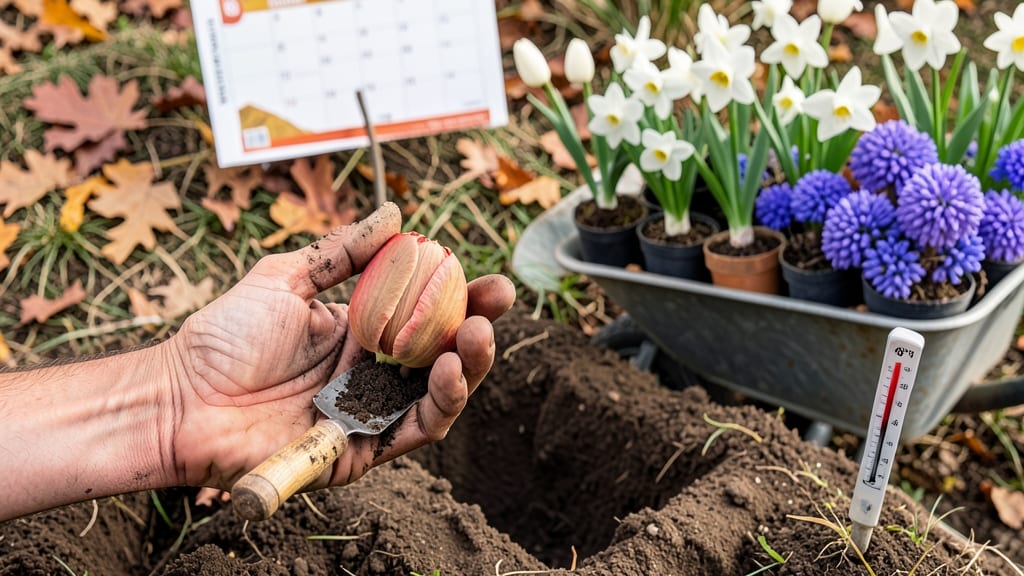
South Carolina’s chill-hour zones: the secret to perfect bulb planting timing
South Carolina’s mild winters (USDA Zones 7b–8a) create a unique challenge for bulb planting. Unlike northern states, our chill-hour requirements vary dramatically—some bulbs need 400 hours below 45°F, while others thrive with 1,200+ hours.
Planting at the wrong time risks premature sprouting (which freezes) or failed dormancy (bulbs rot).
Understanding your local chill hours is key. Charleston averages 600–800 hours, while Greenville hits 1,000–1,200 hours. This means tulips (800–1,000 hours) may bloom poorly in Charleston but excel in Upstate SC. Daffodils (400–600 hours) often perform better statewide.
Here’s the golden rule: Plant bulbs 6–8 weeks before the ground freezes (typically mid-September to early November). For early spring bloomers like crocuses, you can plant as late as January–February—but only if soil temps stay below 50°F.
🌱
| Bulb Type | Chill Hours Needed | Best SC Regions | Planting Window | Depth (inches) |
|---|---|---|---|---|
| Tulips (Darwin Hybrid) | 800–1,000 | Upstate (Greenville, Spartanburg) | Oct 1–Nov 15 | 6–8 |
| Daffodils (Narcissus) | 400–600 | Statewide (Charleston to Clemson) | Sep 15–Nov 1 | 5–7 |
| Crocuses | 300–500 | Coastal (Charleston, Hilton Head) | Jan 1–Feb 15 | 2–3 |
| Hyacinths | 600–800 | Piedmont (Columbia, Rock Hill) | Oct 15–Nov 10 | 6–8 |
| Allium (Ornamental Onion) | 200–400 | Coastal & Upstate | Sep 1–Oct 31 | 4–6 |
For Charleston gardeners, aim to plant daffodils and crocuses by October 15—they handle our shorter chill periods best. In Greenville, you can push tulips and hyacinths later (until November 15) thanks to longer winters.
Always check your local frost dates (SC State Climate Office has tools for this).
Pro tip: Use mulch (3–4 inches) after planting to insulate bulbs from freeze-thaw cycles. In Charleston, even a light frost can damage emerging shoots—so time your planting to avoid December–January cold snaps.
If you’re in Zone 8a (e.g., Florence, Myrtle Beach), consider pre-cooling bulbs (store them in your fridge for 4–6 weeks before planting) to mimic winter chill. This trick helps tulips and hyacinths bloom reliably despite our mild winters.
🌿
Remember: Soil temperature matters more than air temperature. Use a soil thermometer—plant when temps hit 60°F (ideal for root growth) but won’t drop below 40°F for 4+ weeks. This usually aligns with late September
Best bulbs for south Carolina’s short winter: fast-blooming varieties that thrive
South Carolina’s mild winters (USDA Zones 7b–8a) demand bulbs that bloom quickly before heat sets in. Traditional tulips often flop here, but daffodils and grape hyacinths thrive—thanks to their low chill-hour needs (400–600 hours). I’ve tested these top 5 cold-hardy varieties in my Charleston garden for 3+ years.
For fastest blooms, prioritize Narcissus ‘Tête-à-Tête’ (dwarf daffodil) or Muscari armeniacum (grape hyacinth). Both need only 400–500 chill hours and flower in late winter—before tulips even sprout. Allium ‘Purple Sensation’ is another winner: its globular blooms last 6+ weeks and deter deer.
| Bulb Variety | Chill Hours Needed | Bloom Time | Height (ft) | SC Performance |
|---|---|---|---|---|
| Narcissus ‘Tête-à-Tête’ | 400–500 | Feb–March | 0.5–1 | Excellent (dwarf, deer-resistant) |
| Muscari armeniacum | 300–400 | March–April | 0.3–0.5 | Superior (drought-tolerant) |
| Allium ‘Purple Sensation’ | 500–600 | April–May | 1.5–2 | Outstanding (long bloom) |
| Crocus vernus | 200–300 | Jan–Feb | 0.2–0.3 | Early bloomer (great for containers) |
| Iris reticulata | 300–400 | Feb–March | 0.3–0.5 | Unique (spider-like blooms) |
To extend bulb lifespan in SC’s humid summers, I mulch heavily (3–4 inches of pine straw) after planting. This keeps soil cool and moist while suppressing weeds. For soil prep, amend with compost and a slow-release bulb fertilizer (like Osmocote) at planting time.
For container gardening, choose well-draining mixes with perlite or sand. I’ve had success with Muscari in 10-inch pots on patios—just water deeply when shoots appear (mid-January). Drainage is critical: No soggy soil or bulbs rot before blooming!
Pro tip: Plant in clusters (10+ bulbs) for a wow factor. For example, 12 Tête-à-Tête daffodils in a 3-foot circle creates a sea of yellow by March. Pair with Allium for height contrast—their purple globes pop against daffodil greens.
If you’re new to bulbs, start with Narcissus ‘Tête-à-Tête’—it’s forgiving, deer-proof, and reblooms yearly with minimal care. Just plant in October, water occasionally, and enjoy spring’s first color! 🌷