
Plants
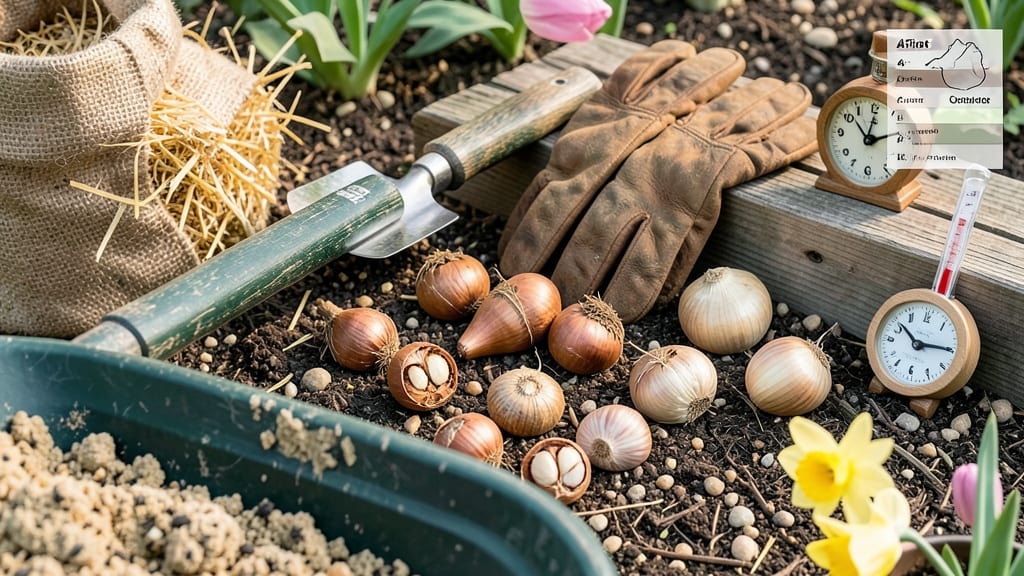
Timing matters more than you think when it comes to planting Spring Flowering Bulbs 🌷 in Colorado—get it wrong, and your tulips, daffodils, and crocuses might never bloom. The exact months depend on your elevation, from the Front Range to the Western Slope, where frost dates shift dramatically.
Most gardeners in Colorado’s USDA Zones 5-7 swear by fall planting, but high-altitude areas need adjustments. Whether you’re in Denver or a mountain town, knowing when to tuck those bulbs into the soil—September through November—sets the stage for a vibrant spring show without frost damage.
I’ll break down the perfect planting window for your specific zone, including soil prep tricks and which bulbs thrive where. No more guessing—just confident, beautiful blooms every year, no matter where you live in Colorado.
Ready to transform your garden? Let’s dive into the step-by-step schedule that’ll have your bulbs popping up right on time—no matter how unpredictable the Rockies get.
Colorado bulb planting calendar by elevation zone (with frost dates)
Colorado’s elevation zones create unique microclimates where tulips in Denver may thrive while daffodils in Aspen need earlier planting. The key to success? Timing your bulbs 6-8 weeks before the first hard frost hits your zone.
Let’s break down the exact months for lowland (3,000–5,000 ft), foothills (5,000–7,000 ft), and mountain (7,000+ ft) areas.
For spring-blooming bulbs like tulips and crocuses, fall planting is critical. In Colorado, this means starting as early as late August in the mountains and stretching until mid-November in lower elevations.
The goal? Let bulbs establish roots before the ground freezes—typically around mid-October in Denver but as early as September in high-altitude areas.
Here’s your zone-specific planting guide, including frost dates and ideal soil temperatures for root development:
| Zone | Elevation Range | First Frost | Ideal Planting Window | Soil Temp for Planting |
|---|---|---|---|---|
| Lowland | 3,000–5,000 ft | Mid-October | September 15–November 15 | 50–60°F |
| Foothills | 5,000–7,000 ft | Late September | August 20–October 31 | 45–55°F |
| Mountain | 7,000+ ft | Early September | July 15–September 15 | 40–50°F |
🌱 Pro Tip: Use a soil thermometer to confirm temps before planting.
Why the variation? Higher elevations have shorter growing seasons and colder soils. For example, tulips planted in Denver (5,280 ft) should go in by October 1, while those in Fort Collins (5,050 ft) can wait until mid-October.
In Aspen (7,900 ft), start as early as late July to avoid frost.
For spring-planted bulbs like crocuses or snowdrops, wait until the soil warms to 50°F+ in March–April. These hardy varieties tolerate light frosts but need stable soil temps to sprout. Test with your finger: if the soil feels cool but not frozen, it’s time to plant.
One common mistake? Planting too late in lowland zones (e.g., Colorado Springs) and risking bulbs rotting before winter. Aim to finish by November 1—any later, and roots won’t establish before frost.
In mountain zones, the opposite is true: planting too early (before July 15) can expose bulbs to premature sprouting and frost damage.
Need a quick reference? Bookmark this: Lowland = September–November, Foothills = August–October, Mountain = July–September. Adjust for microclimates—south-facing slopes warm faster, while north-facing areas stay colder longer.
After planting, mulch with 3–4 inches of straw to insulate bulbs and retain moisture. In high-altitude gardens, add an extra inch of mulch to protect against temperature swings. This simple step can mean the difference between vibrant blooms and frost-killed shoots next spring.
Remember: Colorado’s weather is unpredictable. If an early freeze is forecasted, prioritize planting tulips and daffodils first—they’re more cold-hardy than hyacinths or alliums. For a foolproof approach, plant test bulbs in containers first to gauge your zone’s readiness.
With these timelines, your spring garden will burst with color—right on schedule. Happy planting! 🌷
Best fall planting months for spring vs. summer-flowering bulbs in Colorado
Colorado gardeners know timing is everything—especially when planting spring-flowering bulbs like tulips and daffodils versus summer-bloomers like dahlias. Fall planting is ideal for most bulbs, but the exact month depends on whether you’re growing early spring or late-season varieties, plus your elevation zone.
In Colorado, aim to plant bulbs 6-8 weeks before the ground freezes, typically between mid-September and mid-November.
For spring-blooming bulbs, like tulips and crocuses, the best window is September to early October. These bulbs need time to establish roots before winter, so don’t wait until November unless you’re in a high-altitude zone where frost comes earlier.
Summer-flowering bulbs, such as dahlias and gladiolas, can also be planted in fall but require slightly warmer soil, so late September to October works best in most of Colorado.
Adjust your planting schedule based on your elevation zone. In lowland areas (3,000–5,000 ft), like Denver or Colorado Springs, you can plant until mid-October.
But in mountain regions (7,000+ ft), such as the Rocky Mountain National Park area, finish by late September to avoid early frosts. Foothills (5,000–7,000 ft) fall somewhere in between, with a target of early to mid-October.
Soil preparation is just as critical as timing. Before planting, amend your soil with compost or well-rotted manure to improve drainage, which is crucial in Colorado’s clay-heavy soils. For high-altitude gardens, add a layer of mulch (straw or leaves) after planting to insulate bulbs from temperature swings.
This extra protection helps bulbs survive sub-zero winters and ensures stronger blooms the following spring.
If you miss the fall window, don’t panic! Some spring-flowering bulbs, like tulips and hyacinths, can also be planted in early spring (March–April), though they may bloom slightly later.
Summer-flowering bulbs, however, must be planted in fall—they won’t thrive if delayed until spring. For containers, plant bulbs in well-draining pots and keep them in a cool, dark place until spring.
Pro tip: Mark your planting calendar with local frost dates (check the Colorado Climate Center for updates). In most of Colorado, the first hard frost arrives in mid-October, but mountain areas can see frost as early as September.
Planting bulbs 6-8 weeks before this date gives them the best chance to root before winter sets in.