
Plants
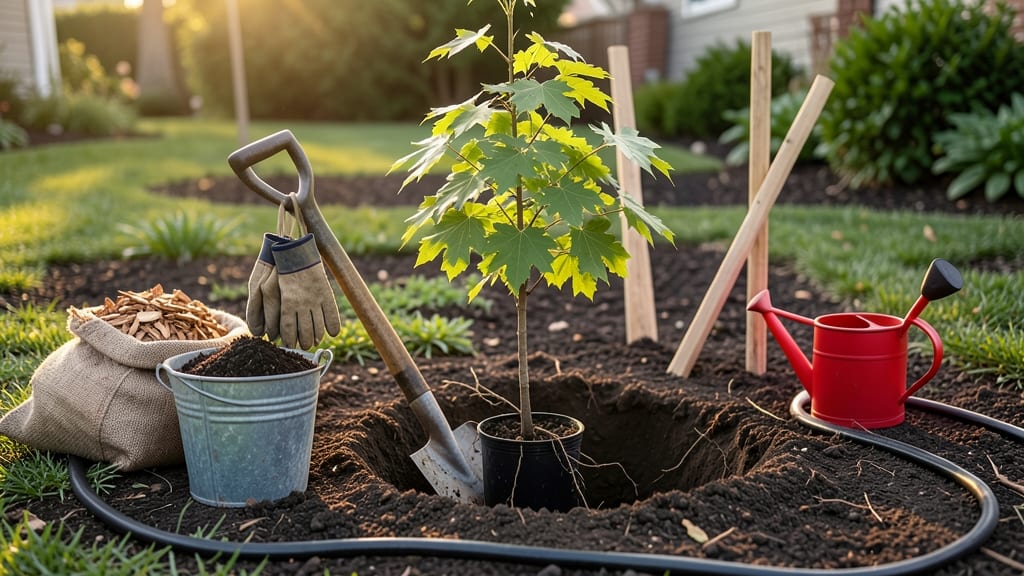
The best time to plant a 🌳 in Iowa isn't just about grabbing a shovel—it's about giving your tree the fighting chance it needs to survive Zone 5a's brutal winters.
Planting at the wrong moment can leave young roots vulnerable to frost heave or summer drought, setting your sapling up for failure before it even takes root.
Iowa's climate demands precision: too early, and your tree might not establish roots before the ground freezes; too late, and summer heat can shock tender roots. The sweet spot?
Early spring (after the last frost around April 15) or fall (before the first frost hits October 15), when soil temperatures are just right for root growth without extreme stress.
Why does timing matter so much? Because those first few weeks determine whether your tree will grow into a 60-foot oak or become another casualty of Iowa's unpredictable weather.
I'll break down exactly when to plant for maximum root development, which species thrive in these windows, and how to prep your soil for long-term success—so you're not left guessing when the perfect moment arrives.
From clay-heavy soils to sudden frost risks, Iowa presents unique challenges. But with the right approach, you can turn your backyard into a thriving forest. Let's get started on planting your tree the smart way—so it grows strong for decades to come.
Iowa’s ideal tree planting windows: USDA Zone 4a/5a deadlines explained
Iowa’s USDA Zones 4a and 5a create unique challenges for tree planting—frost dates and soil temperatures dictate the perfect windows. Planting outside these times risks stunted root growth or winter damage. Let’s break down the science behind Iowa’s two best planting seasons: early spring and fall.
The last average frost date in Iowa is typically April 15, while the first frost arrives around October 15. These dates mark the boundaries for your planting windows.
Trees planted too early face cold soil, which slows root development, while late plantings risk insufficient root establishment before winter dormancy.
For spring planting, aim for March to early May—once soil temperatures reach 45°F (7°C).
This gives roots 6-8 weeks to establish before summer heat stress. Fall planting, however, should occur 4-6 weeks before the first frost, typically September to early October, allowing roots to grow but avoiding late-season stress.
| Planting Window | Ideal Months | Soil Temp Threshold | Key Consideration |
|---|---|---|---|
| Spring | March–Early May | 45°F (7°C) | Avoid frost; water deeply |
| Fall | September–Early October | 50°F (10°C) | Plant before dormancy; mulch heavily |
Bare-root trees thrive best in spring planting because their roots can absorb moisture quickly from thawing soil. Container-grown trees, however, offer more flexibility—they can be planted year-round except in winter, making them ideal for missed spring windows.
Always check the root flare (where roots meet the trunk) to ensure it’s level with or slightly above soil.
Iowa’s clay-heavy soils can pose challenges, especially in spring when they’re waterlogged. Amend planting holes with compost or sand to improve drainage. For fall plantings, focus on mulching (3-4 inches of organic mulch) to insulate roots during winter.
Avoid piling mulch against the trunk, which can cause rot.
Pro tip: Use a soil thermometer to monitor temperatures—below 40°F (4°C) signals it’s too cold for planting. In Zone 4a (northern Iowa), err on the side of earlier spring or later fall plantings, while Zone 5a (southern Iowa) allows slightly more flexibility.
Timing isn’t just about the calendar—it’s about root growth. Trees planted in Iowa’s ideal windows develop 50% more root mass before winter, setting them up for stronger canopies and longer lifespans. Miss these windows, and you risk transplant shock or winter dieback.
For bare-root trees, plant as soon as possible after purchase—roots dry out quickly. Soak them overnight in water mixed with a rooting hormone to boost survival rates. Container-grown trees, meanwhile, can wait 2-3 weeks post-purchase, giving you time to prepare the site properly.
Don’t overlook tree species when choosing your planting window. Fast-growing species like hybrid poplars need spring planting to capitalize on summer growth, while slow-growing oaks benefit from fall planting to establish roots gradually. Always match your tree’s hardiness to Iowa’s USDA Zone.
Finally, watering schedules change with seasons. In spring, water deeply every 7-10 days to encourage root spread, while fall plantings need less frequent but deeper watering to prevent dormancy stress. Mulch retains moisture and regulates soil temperature—critical for Iowa’s temperature swings.
When in doubt, consult Iowa State University’s Extension Office for localized advice. Their frost date maps and soil reports can help fine-tune your planting timeline. With the right timing, your tree will thrive for decades—not just seasons. 🌳
How to prepare Iowa soil for tree planting in spring vs. fall
Iowa’s clay-heavy soil and variable frost dates demand special prep work before planting trees—whether you’re digging in early spring or fall. The key is improving drainage and aeration while avoiding compacted layers that strangle young roots.
For spring planting, focus on breaking up frozen ground early, while fall prep should prioritize organic matter to protect roots during winter.
Start by testing your soil’s pH balance (ideal: 6.0–7.5 for most trees).
Iowa’s native soils often test acidic or alkaline, so amend with lime (for acidity) or sulfur (for alkalinity) 2–3 months before planting. Compost or aged manure is non-negotiable—work in 2–3 inches of organic matter to loosen clay and boost microbial activity.
Avoid fresh manure—it burns roots! Use composted materials only.
Never plant in waterlogged soil—Iowa’s clay holds moisture too long, risking root rot.
For spring planting, till or dig a 12–18-inch-deep hole (twice the width of the root ball) to loosen compacted layers. Mix the native soil with compost and a slow-release fertilizer (like 10-10-10) to kickstart growth.
In fall, focus on mulching—apply 3–4 inches of wood chips around the planting area (but keep mulch 6 inches away from the trunk to prevent rot).
Iowa’s first frost (around October 15) signals the last call for fall planting. If you miss it, wait until early spring (after April 15) when soil temps hit 50°F+.
Pro tip: Use a soil thermometer—roots need consistent warmth to establish before winter dormancy. Container-grown trees are more flexible but still benefit from well-aerated soil.
Don’t overlook drainage. If your yard pools water, amend with sand or perlite to create air pockets. For heavy clay, consider a raised bed or mounded planting area. Erosion control is critical too—use straw mulch on slopes to protect bare soil until roots stabilize.
Finally, water deeply after planting—15–20 gallons for young trees—to settle soil and eliminate air pockets. In spring, water weekly; in fall, taper off by November to encourage dormancy. With the right prep, your tree’s roots will thrive in Iowa’s tough conditions.