
Planting
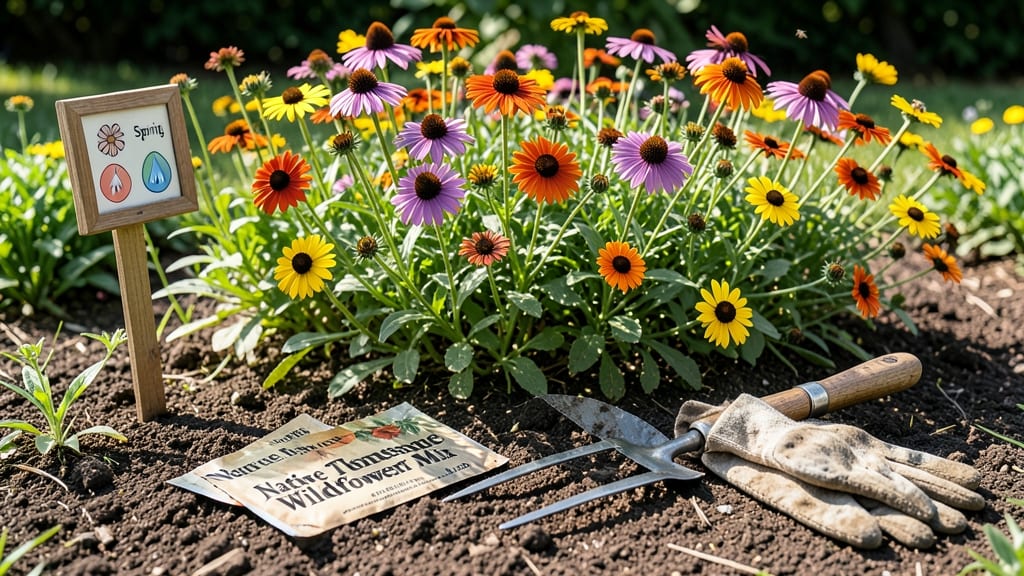
When is the best time to plant a garden in Tennessee? Timing your garden just right in Tennessee could mean the difference between a lush harvest and a sad, wilted mess—especially when you're working with 6a to 8a zones and unpredictable weather. The best time to plant a garden in Tennessee isn’t just about the calendar; it’s about understanding your local microclimate and the quirks of your 🌱 General Garden Plants. Whether you're in the rolling hills of East Tennessee or the warmer plains of Middle Tennessee, getting the timing right ensures your tomatoes, peppers, and flowers thrive instead of struggling.
Most gardeners know spring is the go-to season, but did you realize fall planting can often yield even better results?
Late winter to early spring (March to April) is ideal for cool-season crops like lettuce and spinach, while early fall (August to September) gives warm-season plants like squash and beans a head start before the first frost.
The key is knowing your last frost date—typically between March 15 and April 15, depending on where you live—and planning around it.
If you’ve ever stared at a seed packet wondering, “Should I plant this now?”, you’re not alone. I’ll break down exactly when to plant your favorites—from leafy greens to sunflowers—so you can avoid common mistakes and maximize your garden’s potential.
Let’s dive into the best planting schedule for Tennessee’s diverse climate and turn your yard into a thriving oasis.
Ready to skip the guesswork and start growing with confidence? Whether you're a beginner or a seasoned gardener, these zone-specific deadlines will help you plant at the perfect moment. Your future harvests will thank you!
Tennessee planting zones: key deadlines for spring and fall planting by region
Tennessee spans USDA hardiness zones 5a to 8a, meaning your planting timeline depends heavily on where you live. The last frost date varies dramatically—from early March in West Tennessee to late April in the Appalachian highlands. Getting this wrong can mean frost-killed seedlings or stunted growth.
For cool-season crops like lettuce, spinach, and broccoli, you’ll want to plant 6-8 weeks before your last frost. Warm-season crops like tomatoes, peppers, and cucumbers, however, need to wait until soil temperatures hit 60°F+, typically after mid-April in most regions.
Here’s how to align your planting with Tennessee’s three distinct regions:
| Region | USDA Zone | Last Frost Date | First Frost Date | Ideal Spring Planting Window |
|---|---|---|---|---|
| East Tennessee (e.g., Knoxville, Chattanooga) | Zone 6a-7a | April 15 - May 1 | October 15 - November 1 | March 15 - April 15 (cool crops); May 15 - June 1 (warm crops) |
| Middle Tennessee (e.g., Nashville, Murfreesboro) | Zone 7a-7b | March 20 - April 1 | October 30 - November 15 | March 1 - April 1 (cool crops); April 15 - May 15 (warm crops) |
| West Tennessee (e.g., Memphis, Jackson) | Zone 7b-8a | March 1 - March 15 | November 1 - November 15 | February 15 - March 15 (cool crops); March 20 - April 15 (warm crops) |
In East Tennessee’s higher elevations, like the Great Smoky Mountains, expect later frost dates and shorter growing seasons. If you’re in Zone 6a, prioritize fast-maturing varieties of tomatoes or peppers to avoid early fall frosts.
For fall planting, aim to sow seeds 90-120 days before your first frost. This means late summer (August) for most of Tennessee. Kale, carrots, and radishes thrive in cooler weather, while beans and corn must be planted early enough to mature before frost.
Pro tip: Use frost-sensitive plants like tomatoes or basil as a canary in the coal mine. If they survive a late frost, your other crops likely will too.
Always check your local cooperative extension office for hyper-local adjustments—microclimates in Tennessee can shift frost dates by weeks even within the same city.
🌱
Best planting schedule for Tennessee’s most popular vegetables and flowers
Timing your garden in Tennessee isn’t one-size-fits-all—it depends on whether you’re growing cool-season crops like lettuce or warm-season favorites like tomatoes. In East Tennessee’s USDA Zone 6a, you’ll plant earlier than in West Tennessee’s Zone 8a, where the growing season stretches longer.
My rule of thumb? Start with late winter sowing for hardy greens and transition to warm-season crops after the last frost.
For spring planting, most Tennessee gardeners begin in March for cool crops and hold off until May for warm-season plants. Fall planting runs from August to September, giving you a second harvest before the first frost.
But don’t wait too late—September 15th is my cutoff for most vegetables to mature before winter sets in.
🌱 Tennessee Planting Calendar by Month
- March: Plant cool-season veggies (spinach, peas) and hardy flowers (pansies, snapdragons).
- April: Start warm-season seedlings indoors (tomatoes, peppers) and sow radishes, carrots.
- May: Transplant tomatoes, cucumbers, beans after last frost. Plant marigolds, zinnias.
- June: Direct-sow sweet potatoes, okra. Add summer-blooming flowers (sunflowers, cosmos).
- July-August: Plant fall crops (kale, broccoli) and late-season flowers (asters, chrysanthemums).
- September: Last chance for spinach, lettuce, radishes—harvest before frost.
High-altitude areas like the Smoky Mountains (Zone 6a) have 20-30 fewer frost-free days than Memphis (Zone 8a). Adjust by planting heat-loving crops like okra or sweet corn 2-3 weeks later in cooler zones.
My go-to trick? Use frost dates from the Old Farmer’s Almanac and add a 10-day buffer for safety.
Flowers follow similar rules: cool-season annuals (like pansies) thrive in early spring, while summer bloomers (like petunias) need warm soil. I always plant marigolds in April—they deter pests and bloom all summer long. For perennials, fall planting (September) gives roots time to establish before winter.
Pro tip: Succession planting extends your harvest. After harvesting early lettuce in May, replant with heat-tolerant varieties like Romaine or swiss chard. This keeps your garden productive from March through October without gaps.
Remember, Tennessee’s humidity and heat can stress plants if you’re late. If you miss the May planting window for tomatoes, try cherry tomatoes—they mature faster in our short season. And always check soil temperatures with a probe: 60°F+ for warm crops, 40-50°F for cool-season starts.