
Plants
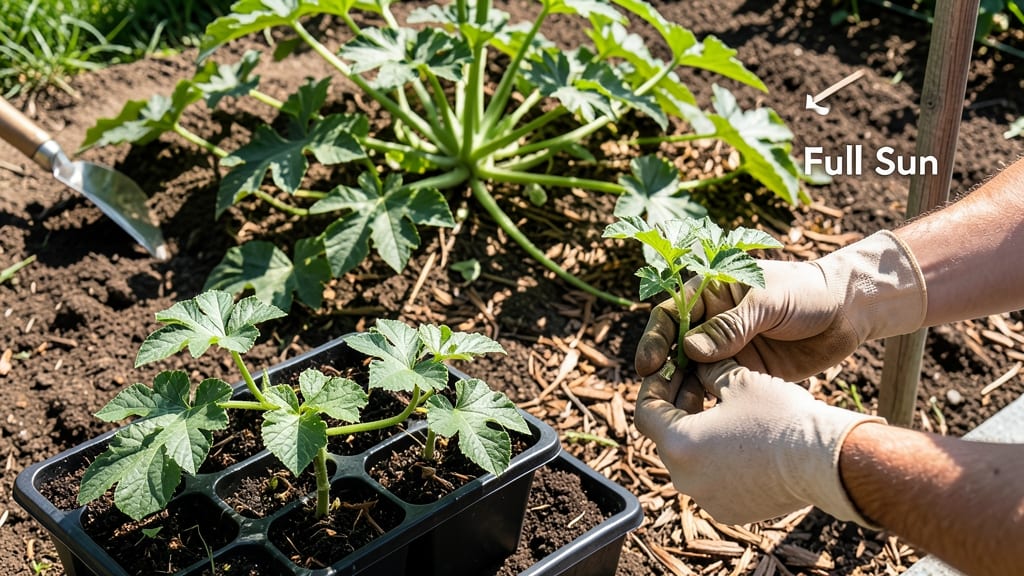
Planting watermelon in NC at the wrong time can turn your summer dreams into a soggy mess—too early and frost zaps your vines, too late and your harvest shrinks before the heat sets in.
The sweet spot? Waiting until soil temperatures hit 70°F or higher, which in USDA zones 7a-8b usually means mid-April to mid-June after that last frost sneaks out for good.
Why does timing matter so much? Watermelons are heat-loving 🍉, and they need consistent warmth to grow those juicy, vine-ripened fruits. Skip the indoor starts—these babies thrive when planted directly in the ground, where black plastic mulch can shave weeks off your wait by warming the soil faster.
But rush it, and you’ll be chasing a harvest that never quite arrives.
Here’s the game-changer: stagger your planting every 2 weeks between April and June to spread out your ripening window. That way, you’re not left with a bumper crop all at once or none at all.
Plus, choosing the right variety—like ‘Crimson Sweet’ for early summer or ‘Charleston Gray’ for late-season—can mean the difference between a few small melons and a bountiful harvest from July through September.
Let’s break down exactly when to plant in your corner of NC, which varieties play best in your microclimate, and how to keep those vines happy until harvest—no frostbite required.
Best planting dates for watermelons in north Carolina by region
North Carolina’s diverse climate means planting dates vary dramatically from the Coastal Plain to the Mountains. Watermelons thrive in warm soil (70°F+), so timing your planting to avoid spring frosts and maximize summer heat is critical.
The last average frost date in NC ranges from mid-March in the Coastal region to late April in the Mountains, but soil warmth is the real game-changer.
For most of NC, mid-April to mid-May is the sweet spot for direct sowing watermelon seeds. However, in Zone 7a (Mountains), you’ll want to wait until late May to avoid early-season cold snaps.
Coastal gardeners can start as early as mid-April if nighttime temperatures stay above 55°F. Always check your local USDA Zone and historical frost data—NC’s microclimates can shift planting windows by 3-4 weeks.
| Region | Last Frost Date | Ideal Planting Window | Soil Temp Requirement | Harvest Window |
|---|---|---|---|---|
| Coastal Plain (Zone 8a) | Mid-March | Mid-April to early May | 70°F+ (21°C+) | Late June to August |
| Piedmont (Zone 7b) | Early April | Late April to mid-May | 70°F+ (21°C+) | Early July to September |
| Mountains (Zone 7a) | Late April | Late May to early June | 75°F+ (24°C+) | Mid-July to August |
If you’re eager to start earlier, indoor seed starting is an option—but watermelons hate transplant shock. Instead, use black plastic mulch to warm soil faster by 10-15°F. Lay it down 2-3 weeks before planting to create a microclimate that mimics summer conditions.
Pro tip: Preheat soil with clear plastic tunnels for a 2-week head start in cooler regions like the Piedmont.
For extended harvests, consider staggered planting. Sow a second batch 2-3 weeks after your first planting to ensure fruit ripens before fall frosts hit in October-November. This works especially well for late-season varieties like ‘Moon and Stars,’ which need the extra time to mature.
Just be sure to protect young plants with row covers if nighttime temps dip below 60°F.
One common mistake NC gardeners make is planting too close to the last frost date. Watermelons need 75-90 days to mature, and cool soil slows germination. Always wait until nighttime temps stay above 60°F—use a soil thermometer to confirm 70°F+ at a 4-inch depth.
If you’re unsure, err on the side of planting later—watermelons thrive in heat and humidity, not spring chill.
In humid NC summers, watermelons grow fastest when planted in well-draining, sandy loam soil with a pH between 6.0 and 6.8. Amend heavy clay soils with compost or aged manure to improve drainage.
Avoid planting in low-lying areas where cold air pools—watermelons detest soggy roots. Raised beds or mounds work beautifully for drainage and warmth, especially in Coastal regions prone to afternoon humidity.
For early varieties like ‘Sugar Baby,’ aim to plant by mid-April in the Coastal Plain to harvest by early July. For heirloom types like ‘Crimson Sweet,’ wait until late April-early May in the Piedmont to ensure a full 90-day growing season.
Mountain gardeners should focus on shorter-season varieties like ‘Black Diamond’ to avoid fall frosts. Always check the seed packet for days-to-maturity—this is your harvest timeline.
If you’re in Zone 8a (Coastal NC), you can even try February indoor starts under grow lights, but transplant carefully to avoid shocking the roots. Harden off seedlings for 7-10 days before setting them out after the last frost.
Coastal gardeners also benefit from longer growing seasons—some varieties can produce fruit until
Heat-tolerant watermelon varieties that thrive in NC’s climate
North Carolina’s humid summers and occasional heatwaves can stress watermelons, but the right varieties thrive in these conditions. Look for heat-tolerant and disease-resistant types like ‘Crimson Sweet’ or ‘Sugar Baby’, which handle NC’s 90°F+ temperatures better than standard varieties.
These picks also resist common NC pests like cucumber beetles and powdery mildew—critical for a successful harvest.
For early summer harvests, choose ‘Sugar Baby’ (ready in 70-75 days) or ‘Early Red’ (65-70 days). If you prefer late-season sweets, ‘Charleston Gray’ (80-85 days) or ‘Moon and Stars’ (85-90 days) deliver bold flavors when temps start cooling.
Each variety adapts to NC’s USDA Zones 7a-8b, but soil prep matters just as much as seed choice.
When selecting seeds, prioritize disease resistance (look for labels like ‘PM’ for powdery mildew’ or ‘VB’ for virus resistance). NC’s humidity fuels fungal issues, so these traits save time and frustration.
Pair your choice with black plastic mulch to keep soil temps above 70°F—critical for germination and vine strength.
For container gardening in NC’s urban areas, opt for ‘Sugar Baby’ or ‘Tiny’ watermelons, which thrive in 5-gallon pots with proper trellising. Just ensure your containers get full sun (6+ hours) and drain well—poor drainage leads to root rot in NC’s occasional downpours.
Pro tip: Plant ‘Moon and Stars’ if you love heirloom varieties—its striking patterns make it a conversation piece, and it handles NC’s late-summer heat beautifully. Just be patient; it takes 90 days to mature, so start seeds indoors in late March for a July harvest.
Finally, rotate your watermelon varieties yearly to prevent soil-borne diseases. NC’s clay-heavy soils (common in the Piedmont region) benefit from compost amendments—mix in aged manure or worm castings before planting to boost drainage and nutrient retention.